
Plants
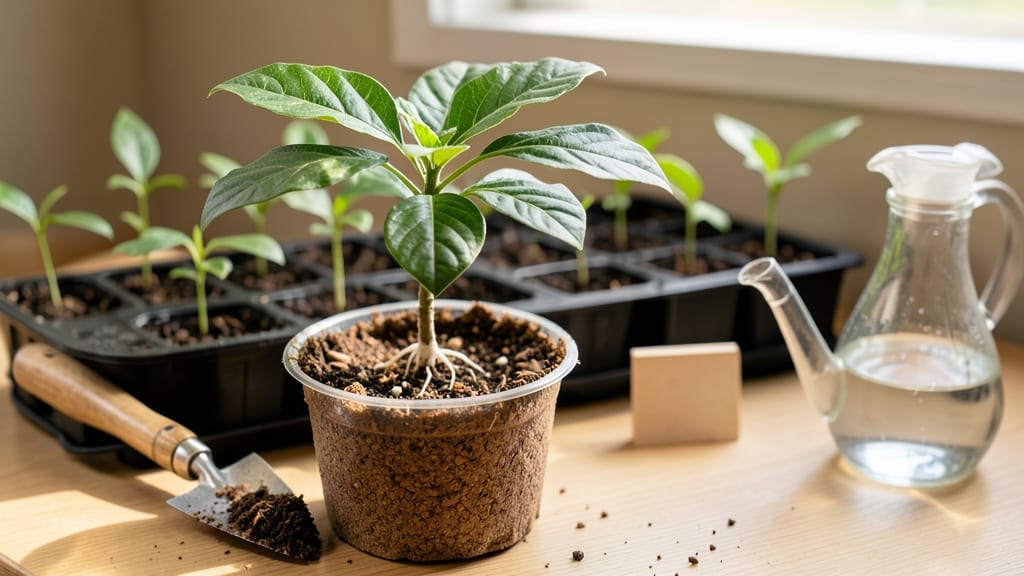
Planting an avocado seed in soil triggers germination when soil warmth reaches 70-85°F—the key to breaking dormancy and avoiding the months-long wait many gardeners face.
Struggling to time your avocado seed planting for maximum germination success? The secret lies in warmth—not just soil temperature, but the right seasonal triggers that ensure your seedling thrives from the start.
In Zone 6a, where frost lingers until mid-April, the ideal window opens in early spring—just as daytime temps climb above 60°F. But if you’re impatient (who isn’t?), you can jump-start germination indoors with a simple heat hack.
Below, I’ll walk you through the exact timing by zone, how to test soil warmth without fancy tools, and the 3 critical mistakes that stall growth—so your 🥑 seedling doesn’t spend another year staring at you from a jar.
Optimal planting timeline for avocado seeds based on climate Zones
Timing your avocado seed planting correctly is the difference between a thriving seedling and a failed experiment. Since avocado seeds need warmth (70-85°F) to germinate, your USDA zone and frost dates become your best friends.
Whether you're in Zone 3 or Zone 11, understanding these triggers ensures your seedling gets the perfect start.
Most gardeners make the mistake of planting too early—cold soil stalls germination for months. Instead, use frost dates as your guide: plant indoors 8-12 weeks before your last frost, or outdoors only after soil warms consistently.
For example, in Zone 6, that’s typically March-April, while Zone 10 gardeners can plant year-round with protection from cold snaps.
Here’s the key: Indoor pre-sprouting (in water or soil) gives you control over warmth, while direct soil planting works best in frost-free zones. Let’s break down the best windows by zone to avoid common pitfalls like rot from overwatering or stunted growth from cold soil.
| USDA Zone | Indoor Start (Water/Sand) | Outdoor Planting Window | Soil Temp Trigger | Key Consideration |
|---|---|---|---|---|
| 3-5 | February-March (8-12 weeks before last frost) | May-June (after soil reaches 70°F) | 70-75°F | Use grow lights; transplant after roots are 4+ inches long |
| 6-8 | March-April (6-8 weeks before last frost) | April-May (after last frost, soil 65°F+) | 65-70°F | Harden off seedlings for 2 weeks before transplanting |
| 9-11 | Year-round (indoors or greenhouse) | February-November (avoid cold snaps) | 75-85°F | Direct plant in containers; protect from frost |
For Zones 3-5, I recommend starting seeds indoors in February using a seedling heat mat (set to 75°F). This mimics tropical conditions and speeds up germination from 4-8 weeks to just 2-4 weeks.
Once roots reach 4+ inches, transplant into well-draining potting mix and place near a south-facing window.
In Zones 6-8, you can start seeds indoors in March or wait until April for direct soil planting. The trick is to monitor soil temperature: use a soil thermometer or press your hand into the soil—if it feels warm like bathwater, it’s ready.
In my Zone 7 garden, I’ve found that planting after April 15th (our average last frost) gives seedlings enough time to establish before winter.
Gardeners in Zones 9-11 have the advantage of year-round planting, but timing still matters. Avoid planting during monsoon season (July-September in Arizona/California), as excess moisture can cause root rot.
Instead, aim for February-March or October-November when temperatures are stable. I’ve had success with container-grown avocados on patios, where I move pots indoors during unexpected cold snaps.
One common mistake is assuming direct soil planting works in cooler zones. Without pre-sprouting, seeds may take 6-12 months to germinate—or never sprout at all. To test soil readiness, bury a thermometer 2 inches deep for 24 hours.
If it reads below 65°F, wait another week. Patience here prevents wasted effort and heartbreak.
Remember, avocado seedlings are not frost-tolerant—even a light freeze can kill them. If you’re in Zone 8 or below, always plant after your average last frost date (check your local USDA frost map).
For extra protection, use row covers or grow seedlings in containers that can be moved indoors if temperatures dip below 50°F.
Finally, don’t rush to transplant! Seedlings need 4-6 months of root development before facing outdoor conditions. In my experience, the best time to move them outside is when they’ve reached 12+ inches tall and have 3-4 sets of leaves.
This ensures they’re strong enough to handle sun exposure and temperature fluctuations.
With the right timing, your avocado seed can grow into a healthy tree—even if it takes years to bear fruit. Start with warmth, monitor your zone, and give your seedling the time it needs to thrive. Happy planting! 🌱🥑
How to use soil temperature as a germination trigger (with exact thresholds)
Avocado seeds need consistent warmth to break dormancy, and the magic happens at 70-85°F—the sweet spot for germination. Below this range, your seedling may take months longer to sprout, while above it risks overheating. Understanding this threshold is the difference between a week-long wait and a 3-month delay.
Outdoor soil rarely hits these temps before late spring in most USDA zones, which is why many gardeners start indoors. But even then, heat sources matter: a sunny windowsill won’t cut it—you’ll need a heat mat or warmth lamp to mimic tropical conditions.
This is especially true for Zone 6a gardeners, where frost-free soil can take until mid-April.
Testing soil warmth without a thermometer is easier than you think. Press your finger into the soil—if it feels warm like a fresh cup of tea, you’re in the 70-85°F zone.
For a more precise test, place a thermometer in a glass of water next to your pot; avocado seeds thrive when the water temp mirrors soil warmth.
Indoor growers can accelerate germination by placing seeds near a south-facing window with a grow light 6 inches above. Pair this with a clear plastic dome to trap moisture and warmth.
Outdoor gardeners should wait until nighttime temps stay above 55°F, typically 2-3 weeks after the last frost in Zone 6a.
Adjusting for outdoor conditions means monitoring microclimates. A black pot absorbs heat faster than a white one, while mulching with straw retains warmth longer. In hot climates (Zones 9-11), shade cloth becomes essential to prevent soil temps from exceeding 90°F, which can kill delicate roots.
Remember: patience pays off. Even with perfect temps, avocado seeds can take 4-8 weeks to sprout. The key is consistency—keep soil moist but not soggy, and your seedling will reward you with its first green shoot in no time. 🌱