
Plants
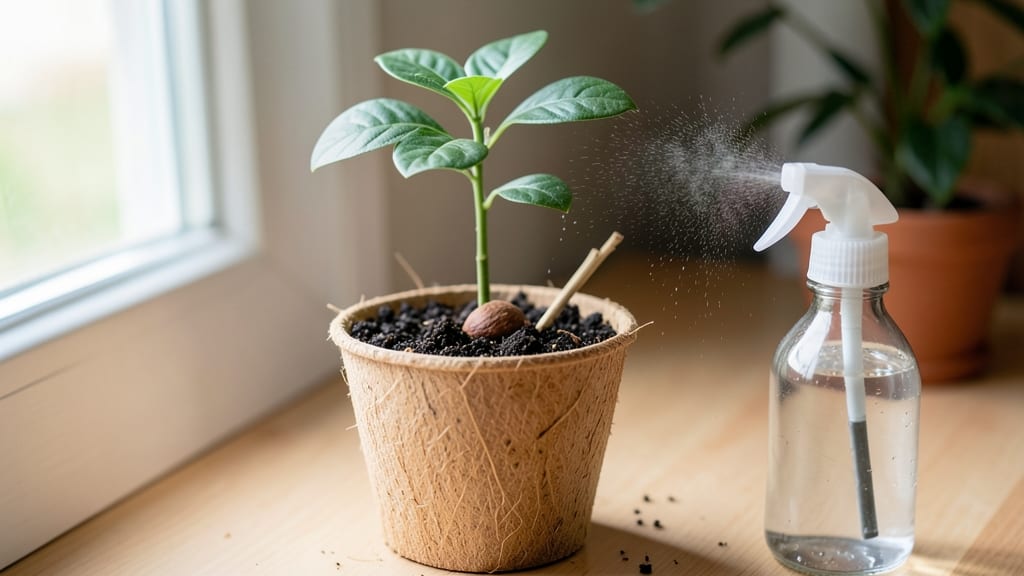
Planting the avocado seed in soil at the right time means the difference between a thriving 🥑 sapling and a sad, rotting pit.
You’ve got the seed, the pot, and maybe even a sunny windowsill—but if you plant too early, your seed will sit in cold, damp soil and turn to mush. Too late, and you’ll miss the sweet spot where warm earth and steady moisture work together to kickstart roots.
For most of us in USDA Zone 6a and beyond, the ideal window opens in late spring, once soil temperatures hit 60°F or warmer. That’s usually after your last frost date, which for many regions means April or May—but there’s more to timing than just the calendar.
Below, I’ll walk you through how to read your climate, prep the seed for planting, and avoid the three biggest mistakes that kill avocado seedlings before they even sprout.
Ideal season and temperature range for planting avocado seeds in soil
Timing your avocado seed planting is critical—spring is the golden window for most gardeners, but the exact moment depends on soil temperatures and your local climate.
Avocado seeds thrive when soil stays consistently above 60°F (15°C), which typically aligns with late April to early June in USDA Zones 8-11. If you're in cooler zones like Zone 6a, wait until after the last frost, usually May or June, to avoid cold damage.
Fall planting is risky unless you live in tropical climates (Zones 10-11). In these areas, you can plant as late as September, but seedlings won’t germinate well in cooler fall soil.
For most of us, spring is the only safe bet—it balances warmth, moisture, and longer daylight for steady growth.
Here’s how to check if your soil is ready: Use a soil thermometer to confirm temperatures are stable at 60°F+ for at least 3-5 days. If your soil is still chilly, your seed will sit dormant or rot.
Pro tip: Warm the soil faster by covering it with black plastic for a week before planting.
Regional differences matter—coastal areas may have milder winters and can plant earlier, while inland regions often need to wait until June. For example, in California (Zone 9-10), March is ideal, but in New York (Zone 6a), June is safer.
Always align with your last frost date and local microclimate.
| Climate Zone | Best Planting Window | Soil Temp Threshold | Key Considerations |
|---|---|---|---|
| Zones 8-11 (Tropical) | March–June (Spring) or September (Fall) | 60°F+ (15°C+) | Long growing season; avoid fall planting if temps drop below 55°F. |
| Zones 6-7 (Temperate) | May–June (After Last Frost) | 65°F+ (18°C+) | Wait until soil warms; use black plastic to speed up heating. |
| Zones 4-5 (Cold) | June–July (Indoor Start Recommended) | 70°F+ (21°C+) | Start seeds indoors in grow lights; transplant outdoors only after all risk of frost. |
| Coastal/Mild Zones | February–March (Earlier) | 55°F+ (13°C+) | Maritime climates warm faster; monitor soil temps closely. |
Prepping your soil is just as important as timing. Avocado seeds need well-draining, slightly acidic soil with a pH of 6.0–7.0. Mix cactus/succulent soil with perlite or sand (50/50 ratio) to prevent rot.
Avoid heavy garden soil—it traps moisture and suffocates roots. If your yard soil is dense, amend it with compost and coconut coir for aeration.
Avoid these three deadly mistakes: planting too early (cold soil = rot), using unwashed seeds (pesticide residue can inhibit growth), or skipping the root test. Before planting, soak your seed for 24 hours, then check for a 1-inch root.
If it’s shorter, wait a few more days—patience here prevents future struggles.
For indoor starters, use a clear jar with toothpicks to hold the seed over water. Once roots reach 2 inches, transplant into soil. This method buys you time in cooler climates. Just remember: outdoor planting still requires warm soil, even if your seedling is ready.
If you’re in Zone 6a or colder, consider starting seeds indoors under grow lights in February, then transplant outdoors in June. This two-step approach gives seedlings a head start. Just ensure your indoor setup mimics outdoor conditions—bright light and humidity are non-negotiable for avocado seeds.
Finally, watch for early signs of stress like yellowing leaves or stunted growth—these often signal planting too soon. Adjust by moving pots to a warmer spot or adding a mini greenhouse to retain heat.
With the right timing and soil prep, your avocado seed will sprout in 4–8 weeks, setting the stage for a thriving tree.
Signs your avocado seed is ready to plant (and how to speed up germination)
Your avocado seed won’t magically transform into a tree overnight—it needs the right signals before you plant it in soil. The first clue is a 1-2 inch root sprouting from the bottom, which means the seed has broken dormancy.
This usually happens after 2-6 weeks of soaking in water, depending on the seed’s age and freshness. If you’ve been using the jar method, you’ll notice roots growing into the water, signaling it’s time to transition to soil.
Next, check the seed’s firmness and texture. A ready-to-plant seed should feel slightly firm but not rock-hard—like a ripe avocado pit. If it’s mushy or crumbly, it’s overripe and may rot in soil. Meanwhile, a seed that’s still too hard hasn’t absorbed enough moisture to germinate properly.
Gently press the sides; if it gives just a little, it’s ready. Pro tip: Let the seed air-dry for 10-15 minutes after soaking to prevent mold when you plant.
- 1 Root length reaches 1-2 inches—this means the seed has started germination and is ready to handle soil.
- 2 Seed feels slightly firm when pressed—neither mushy nor rock-hard—indicating proper hydration.
- 3 Soil temperature is 60°F or warmer—cold soil slows germination and can cause rot.
- 4 You’ve prepped the seed with scarification (light sanding) or a humidity dome to speed up germination.
To speed up germination before planting, try a humidity dome or a jar setup. Place your rooted seed in a jar of water with the roots submerged, then cover the top with plastic wrap to trap moisture.
Keep it in indirect light (no direct sun yet!) and check daily for mold. If you notice fuzzy growth, rinse the seed and let it dry for a few hours.
Once roots hit 1-2 inches, it’s time to plant—just be sure to use a pot with drainage holes to avoid waterlogging.
One common mistake is planting too soon, especially if your seed is still under 1 inch in root length. Weak roots can’t support the seedling in soil, leading to collapse. Another pitfall is overwatering after planting—avocado seeds need moisture, but soggy soil suffocates roots.
Stick to bottom-watering (placing the pot in a tray of water for 10 minutes) until you see new growth.
If you’re in a cooler climate, like USDA Zone 6a, wait until after your last frost date (typically late April or May) to plant outdoors. For indoor growing, a south-facing window or grow light will give your seedling the 6+ hours of light it needs daily.
Once planted, keep the soil consistently moist but not soggy, and avoid disturbing the seed until you see leaf sprouts—usually within 2-4 weeks.
Remember, patience is key. Some seeds take up to 8 weeks to sprout, but with the right timing and care, your avocado seedling will reward you with lush green leaves and the promise of a future tree. Happy planting! 🌱