
Plants
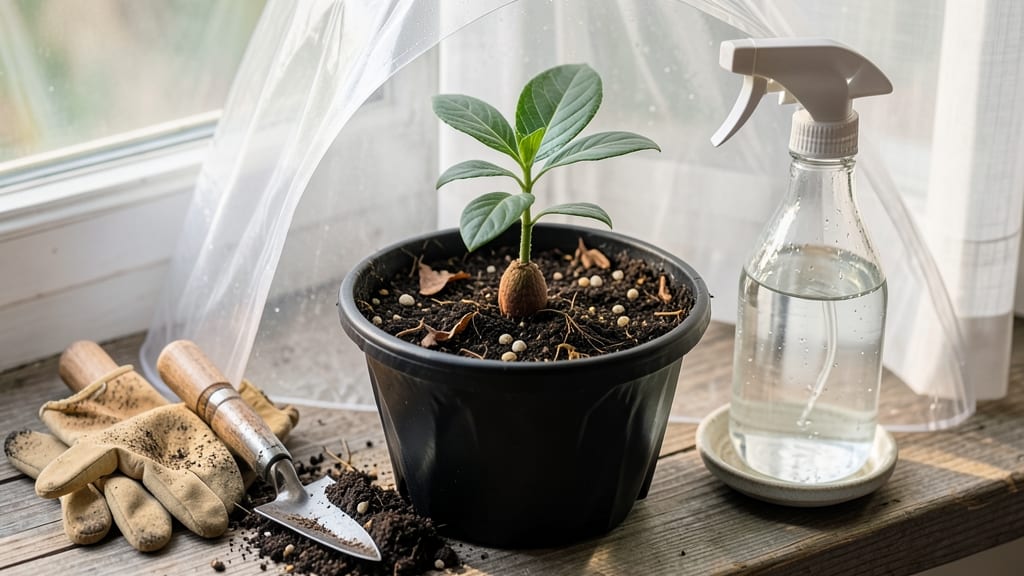
Planting an avocado seed in soil at the right time can mean the difference between a thriving 🥑 sapling and a sad, rotting pit—especially in Zone 6 where spring warmth is everything.
I’ve watched seeds sprout in 5 days when planted too early in cool soil, only to wilt within weeks. The key? Waiting until the soil hits 65–75°F, which in most of the U.S. means late April or early May.
But timing isn’t just about the calendar—it’s about the seed’s readiness. A seed with 2–3 inches of roots and a firm stem is primed for soil, while one planted too soon risks drowning in soggy dirt.
Here’s how to sync your planting with the season, whether you’re starting indoors or jumping straight to the garden—plus the fastest way to avoid common pitfalls.
Best soil temperature and season for planting avocado seeds
Planting an avocado seed at the right time ensures faster germination and stronger root growth. The ideal soil temperature range is between 65-75°F, which triggers the seed to break dormancy and sprout.
In cooler climates, this typically aligns with late spring after the last frost, while warmer zones can plant year-round with proper care.
Timing matters because avocado seeds are sensitive to cold soil, which can cause rot or delay sprouting for months. Even in frost-free areas, planting during mild seasonal transitions (like early fall) gives seedlings a head start before winter slows growth.
Let’s break down the best conditions by climate zone to maximize your success.
| Climate Zone | Best Planting Window | Soil Temp Range | Seasonal Notes |
|---|---|---|---|
| Zones 6-8 (Cooler) | Late April–June | 65–75°F | Wait until soil warms after last frost; use grow lights if starting indoors. |
| Zones 9b-10 (Warm) | Year-round (best in spring/fall) | 65–80°F | Avoid peak summer heat (above 85°F); mulch to retain moisture. |
| Indoor (Any Zone) | Anytime (use warm water) | 70–75°F (water temp) | Start in water; transplant to soil when roots reach 2–3 inches. |
In cooler zones (6-8), aim to plant after your area’s last frost date, typically mid-April in most regions. For example, in Zone 7, soil temperatures usually hit 65°F by early May, making late April to June the sweet spot.
Use a soil thermometer to confirm—if it’s below 60°F, wait a few weeks to avoid seed rot.
Warmer zones (9b-10) offer more flexibility, but even there, spring and fall are ideal. Summer’s intense heat can stress seedlings, while winter’s cooler temps slow growth. If you’re in Zone 10, plant in March–April or September–October to avoid extreme temperatures and ensure steady moisture.
For indoor starters, maintain a consistent 70–75°F environment using a heat mat or warm water. Once roots reach 2–3 inches, transition to soil when outdoor temps stabilize. This method works year-round but requires patience—indoor seedlings may take 4–8 weeks to sprout compared to 2–4 weeks in ideal outdoor conditions.
Climate zone also dictates transplant timing. In colder areas, wait until seedlings are 6+ inches tall before moving them outside after the last frost.
In warmer zones, you can transplant younger seedlings (4–5 inches) as long as soil temps stay above 65°F. Always harden off seedlings by exposing them to outdoor conditions gradually over 7–10 days.
One common mistake is planting too early when soil is still cold. If you rush, the seed may rot before sprouting or produce weak, leggy seedlings. Conversely, planting too late in the season can stunt early growth, leaving your tree vulnerable to winter stress.
Balance is key—aim for warm soil and mild air temps (above 60°F) for the best start.
Pro tip: Use a clear plastic dome or greenhouse setup to maintain warmth and humidity, especially in cooler climates. This creates a microclimate that mimics tropical conditions, speeding up germination. Remove the dome once sprouts appear to prevent fungal issues.
Remember, avocado seeds germinate slowly—sometimes taking 8–12 weeks to sprout. Patience is critical, especially in cooler zones. If you’re in doubt about your local climate, check your USDA zone map and adjust planting dates accordingly.
With the right timing, your seedling will reward you with vigorous growth and a head start toward becoming a mature avocado tree.
How to prepare avocado seeds for planting at the right time
Preparing your avocado seed properly before planting in soil is the difference between a thriving sapling and a failed experiment. I’ve learned that rushing this step—whether by skipping the toothpick method or ignoring root development—leads to weak seedlings prone to rot.
The secret? Patience and precision in the pre-planting phase, especially when transitioning from water to soil.
First, select a fresh, firm seed with no cracks or soft spots. The toothpick method is essential: insert three toothpicks around the seed’s middle, about ½ inch apart, to suspend it over a glass of water.
This prevents the seed from sitting directly in water, which can cause rot. Change the water every 2–3 days to maintain freshness and prevent bacterial growth.
- 🌱 Step 1: Suspend seed with toothpicks over warm water (70–75°F).
- 💧 Step 2: Keep water level consistent; change every 2–3 days.
- 📏 Step 3: Wait for 2–3 inches of roots before transitioning to soil.
- ☀️ Step 4: Plant in well-draining soil when outdoor temps are 65–75°F.
- 🌿 Step 5: Harden off seedling by exposing to outdoor light for 1–2 hours daily.
Most seeds sprout within 4–8 weeks, but some take up to 12 weeks, especially in cooler conditions. Once roots reach 2–3 inches, it’s time to transition to soil—but don’t rush.
The seed must have a firm stem and at least one small leaf to handle the stress of planting. Use a well-draining potting mix (like cactus/succulent blend) to prevent waterlogging.
When planting, bury the seed halfway into the soil, leaving the top exposed. Water lightly to settle the soil, then place the pot in a bright, indirect light spot (like a south-facing window).
Avoid direct sunlight at first, as it can scorch the delicate seedling. If you’re in Zone 6–8, wait until after the last frost (typically late April–May) to plant outdoors.
One common mistake is planting too early, when soil is still cold. I’ve seen seeds rot within days if planted before soil reaches 60°F. Conversely, waiting too long can stunt growth. The ideal window is when outdoor temps are consistently above 65°F and nights stay above 55°F.
For indoor starters, keep the seedling near a grow light or sunny window until it’s strong enough for outdoor conditions.
After planting, maintain high humidity by covering the pot with a plastic bag (remove once leaves appear). Water gently to keep soil moist but not soggy. Within 2–4 weeks, you should see new growth—proof your timing was perfect.
With the right preparation, your avocado seed will thrive and give you a head start toward a fruit-bearing tree in 3–5 years.