
Plants
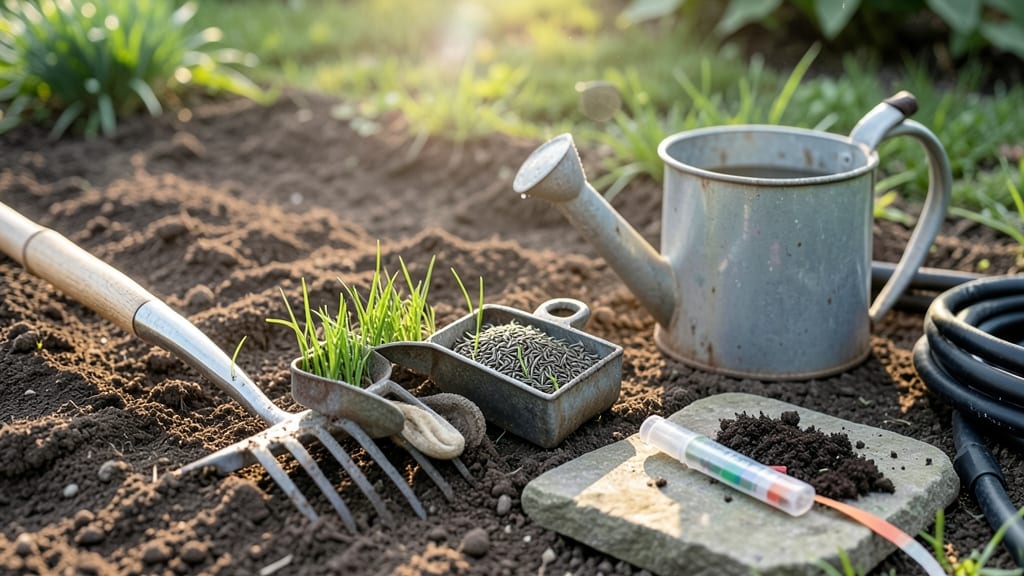
Planting grass seed in the spring when soil temperatures hit 50°F–75°F is the secret to a lawn that greens up fast and stays strong.
Timing your grass seed planting just right in spring can mean the difference between a lush, green lawn by summer and months of bare soil—here’s how to get it perfect.
In cooler climates like USDA Zone 6a, aim for early spring (March–April) when the ground thaws but before summer heat arrives. Warmer regions can plant later, but never after mid-May, or seedlings will struggle under the sun.
Below, I’ll break down the best soil temps by zone, prep steps to avoid common mistakes, and how to keep your new grass thriving once it sprouts.
Best soil temperatures for planting grass seed in spring by US hardiness zone
Getting your grass seed timing right in spring depends on soil temperature more than air temperature. Most grass seeds need soil between 50°F–75°F to germinate quickly and establish strong roots before summer heat arrives.
Planting too early or late can leave your lawn vulnerable to weeds, drought, or fungal diseases. Let’s break down the perfect planting windows by USDA zone to ensure your new grass thrives.
In cool-season zones (3–6), like the Northeast or Midwest, soil warms slowly in spring. Your best window is typically 4–6 weeks before your last frost date, when soil temps consistently reach 50°F–60°F.
For warm-season zones (7–10), such as the South or Southwest, aim for late spring to early summer when soil hits 65°F–75°F. Waiting too long in warm zones risks summer drought stress before roots establish.
Soil temperature is your most reliable guide—air temps can mislead! Use a soil thermometer ($10–$15) to check temps 2–3 inches deep. If your soil is below 50°F, wait; if it’s above 75°F, you’re cutting it close for cool-season grasses. Pro tip: Early morning is the best time to test, as soil cools overnight.
Here’s a quick reference for your zone’s ideal planting window and soil temp targets:
For cool-season grasses (like Kentucky Bluegrass or Fescue), the earliest planting window in zones 3–6 is critical. These grasses need 6–8 weeks to establish roots before summer heat arrives. If you plant in late spring (June or later), seedlings may struggle to survive the heat.
In contrast, warm-season grasses (such as Bermuda or Zoysia) thrive when soil temps rise above 65°F, so waiting until late spring is ideal.
If your zone falls in the transition zones (6–8), like parts of Virginia or Texas, you have flexibility. Start with cool-season grasses in early spring, then overseed with warm-season varieties in late summer.
This two-step approach ensures year-round green coverage. For example, plant Tall Fescue in April and Zoysia in August. Just ensure the soil temp for the second planting is 60°F+.
Watch for false springs, where warm air temps fool you into planting early, only for a late frost to strike. Always check your local frost dates and monitor soil temps for 7–10 days before planting.
If nights dip below 40°F, delay until soil is consistently warm. A lightweight row cover can protect seedlings if you’re in a hurry, but it’s not a substitute for ideal conditions.
Once your soil hits the sweet spot (50°F–75°F), act fast! Grass seeds germinate best when planted within 24–48 hours of ideal soil temps. Spread your seed evenly, cover lightly with ¼-inch of soil, and keep the area moist (not soggy) until germination.
In dry climates, like zones 7–10, consider a starter fertilizer with phosphorus to boost root growth during critical early weeks.
Remember: Soil temperature is your best friend when planning. Skip the guesswork and invest in a $10 soil thermometer—it’s the difference between a thick, green lawn and a brown, patchy mess.
With the right timing, your grass will be established and thriving by summer, ready to handle foot traffic and heat waves like a pro. 🌱
How to prepare your lawn for spring grass seed planting in 5 critical steps
Getting your lawn ready for spring grass seed planting isn't just about throwing seed on bare soil—it's about creating the perfect environment for fast germination and strong root growth. I've learned that skipping these 5 critical steps can leave you with patchy, weak grass that struggles to compete with weeds.
Start by testing your soil pH and nutrients. Most grass thrives in soil with a pH between 6.0 and 7.0. Use a simple soil test kit (available at garden centers) to check your levels.
If your soil is too acidic or alkaline, you'll need to amend it with lime or sulfur before planting—this adjustment can take 4-6 weeks, so plan ahead.
🌱 5 Critical Steps to Prepare Your Lawn for Spring Grass Seed Planting
-
Step 1: Test and Amend Soil
Check pH (6.0-7.0 ideal) and add compost or fertilizer based on test results. Aim for 2-3 inches of organic matter in the topsoil. -
Step 2: Remove Weeds and Debris
Kill existing weeds with a non-selective herbicide (like glyphosate) 2 weeks before planting. Rake away dead plants and thatch. -
Step 3: Till or Aerate the Soil
Loosen compacted soil with a core aerator (rent if needed) or till to a depth of 3-4 inches for seed-to-soil contact. -
Step 4: Choose the Right Seed
Select seed blends matched to your climate (cool-season for northern regions, warm-season for southern). Check sun exposure needs. -
Step 5: Water and Protect New Seed
Keep soil consistently moist (1/2 inch per week) and cover with straw mulch to prevent erosion until germination (2-3 weeks).
After testing your soil, focus on weed control. Weeds compete aggressively with new grass seedlings for water and nutrients. I recommend applying a non-residual herbicide (like corn gluten meal) 2 weeks before planting to kill existing weeds without harming your new grass.
For stubborn weeds, a targeted spray of vinegar (50/50 mix with water) works well on small patches.
Once weeds are under control, it's time to till or aerate your soil. Compacted soil prevents proper seed-to-soil contact, which is crucial for germination. Rent a core aerator if your lawn is heavily compacted—this tool pulls small soil plugs to create channels for roots and water.
If your soil is very hard, consider double-tilling to break up compacted layers.
Selecting the right grass seed blend depends on your climate and lawn use. Cool-season grasses like tall fescue or Kentucky bluegrass thrive in northern regions, while warm-season varieties such as Bermuda or Zoysia are better for southern areas.
Mixes often include ryegrass for fast germination, followed by slower-growing but durable grasses.
Finally, proper post-planting care determines whether your new grass survives its first critical weeks. Water lightly twice daily (morning and evening) to keep the top inch of soil moist until germination.
Once sprouts appear, reduce to 1/2 inch per week and avoid heavy foot traffic for at least 4 weeks to protect delicate roots.