
Plants
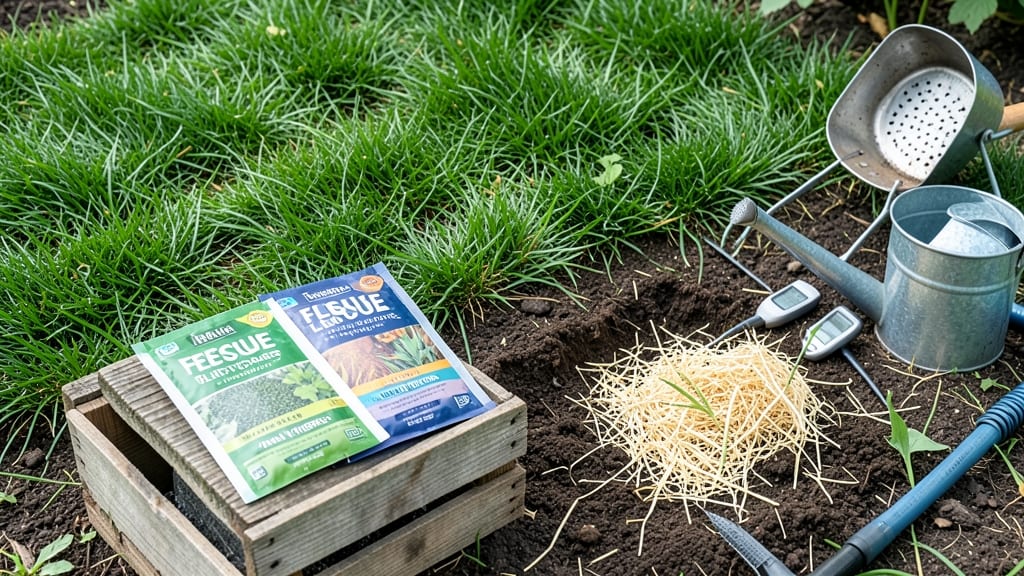
The best time to plant grass seed in California depends on your USDA zone and rainfall patterns — aim for early fall or spring when soil temperatures hover between 60-75°F for ideal germination.
Planting at the wrong time can mean wasted money, uneven growth, or even failed germination. California’s diverse microclimates — from coastal fog to desert heat — make timing more complex than just picking a season.
Fall (September–November) is the sweet spot for most regions, while spring (February–April) works for inland valleys and desert zones. Coastal areas (zones 9–10) thrive with fall planting, while inland (zones 7–9) often need spring’s milder temperatures.
Below, I’ll break down the exact windows by zone, soil prep secrets, and how to use local weather cues to guarantee a lush, resilient lawn.
California’s best grass planting windows by USDA Zone & rainfall patterns
California’s diverse USDA zones (4-11) and Mediterranean climate create unique challenges for grass planting. Coastal areas like San Francisco (Zone 9-10) get mild winters and summer fog, while inland valleys like Sacramento (Zone 7-9) experience hotter summers and colder winters.
Even desert regions (Zone 9-11) have their own rhythms. The key? Aligning your planting with soil temperatures (60-75°F) and rainfall forecasts—not just calendar months.
Most California gardeners succeed with fall (September-November) or spring (February-April) planting, but coastal zones can extend windows due to milder temperatures. For example, Los Angeles (Zone 10) might plant as late as December, while Sacramento (Zone 7) should finish by October to avoid winter dormancy.
Always check NOAA’s 7-day rainfall predictions—planting during a forecasted 1-inch rain event can boost germination success by up to 40%.
For coastal California (Zones 9-10), like Santa Barbara or San Diego, the summer fog season naturally cools soil, making late summer (August-September) a viable secondary window. Use a soil thermometer to confirm temperatures stay below 75°F—exceeding this can cause seed dormancy or fungal issues.
Inland areas like Fresno (Zone 7-8) should avoid planting in June-August due to extreme heat, which can bake seeds before germination.
Northern California’s January Thaw can trick gardeners into planting too early. Wait until soil temperatures stabilize above 60°F—even if air temps feel mild. Pro tip: Test your soil by pressing your finger 2 inches deep; if it feels cool but not cold, it’s ready.
Pair this with NOAA’s 30-day outlooks to predict rainfall patterns
5 Critical signs your California soil is ready for grass seed (beyond the calendar)
Forget relying solely on the calendar—California’s unpredictable weather means you need real-time soil signals to plant grass seed successfully. The key is understanding three science-backed indicators that show your soil is primed for germination, regardless of what season it is.
These signs help you avoid common mistakes like planting too early (when soil is still warm) or too late (when frost threatens tender seedlings).
Instead of guessing, check for these five critical cues that your California soil is ready. These markers work across USDA zones 7-11, from coastal fog belts to inland valleys, and even help you navigate quirks like the January Thaw in Northern California or Santa Ana winds in Southern zones.
Mastering these will give you a head start on a thick, resilient lawn.
- 1 Soil temperature between 60-75°F (use a soil thermometer at 2-inch depth). Cooler temps slow germination, while hotter soil dries seeds out.
- 2 Moisture test passes: Grab a handful of soil—if it holds shape but crumbles when squeezed (the ‘squeeze test’), it’s perfectly moist. Too dry? Water deeply before planting.
- 3 No recent heavy rain (within 24-48 hours). Puddles or saturated soil can suffocate seeds, while dry conditions risk crusting. Aim for light, even moisture.
- 4 Local weather forecast shows stable temps for 7-10 days. Watch for Santa Ana winds (Southern CA) or coastal fog shifts—both can dry out soil or stress seedlings.
- 5 Soil pH between 6.0-7.0. Test with a DIY pH kit—acidic soil (below 6.0) or alkaline soil (above 7.5) can stunt growth. Adjust with lime (to raise pH) or sulfur (to lower pH) 2-4 weeks before planting.
If your soil meets these five conditions, it’s time to plant—even if it’s not the "traditional" season. For example, Northern California’s January Thaw can create a brief window for spring planting, while Southern California’s Santa Ana winds might delay fall planting until after storms pass.
Always double-check with a soil thermometer and 7-day forecast to avoid surprises.
Common mistakes like planting too early in heat (soil temps above 75°F) or too late in frost risk (below 50°F) can lead to uneven germination or seedling die-off. Pro tip: Use shade cloth in summer or row covers in early spring to extend your planting window if needed.
The goal is consistent moisture and stable temperatures—not just following a calendar.
Once you’ve confirmed these signs, proceed with proper seedbed prep: loosen soil to 2-3 inches deep, rake to remove debris, and lightly water before scattering seed. For coastal areas, aim for September-October; for inland valleys, February-March is ideal.
Your grass will thank you with faster, more uniform germination and a thicker lawn in just 2-4 weeks.