
Plants
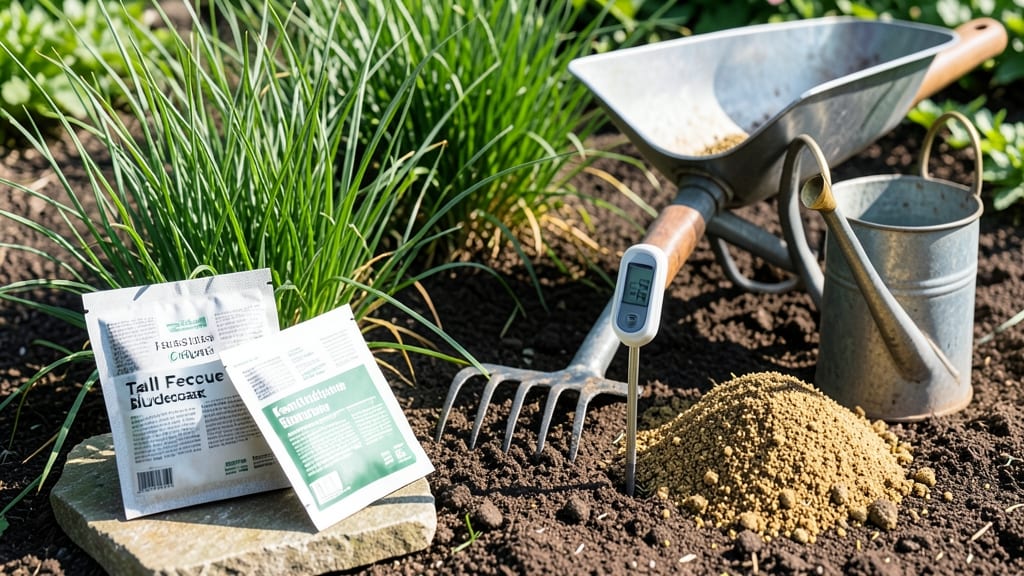
The best time to plant grass seed in Illinois is early fall or early spring, when soil temperatures hover between 50°F and 65°F for optimal root growth.
Struggling to get a lush, green lawn in Illinois? Timing your grass seed planting correctly can mean the difference between patchy results and a thick, vibrant turf—especially when cool-season grasses dominate the state.
In USDA Zones 5-7, the ideal planting windows are September to October and March to April, aligning with soil conditions that prevent drought stress or winter dormancy. Illinois’s climate favors these periods because cooler air and moderate rainfall create perfect germination conditions.
Below, I’ll break down the exact timing by region, soil prep tips, and the 5 critical factors that ensure your grass seed takes root strong—no matter where you are in the state.
Optimal planting windows for Illinois cool-season grasses: early fall and spring timelines
If you're aiming for a thick, resilient lawn in Illinois, timing your grass seed planting is everything. Cool-season grasses like Kentucky bluegrass and tall fescue thrive when planted during two ideal windows: early fall and early spring.
These periods align perfectly with Illinois' 50-65°F soil temperatures, giving seeds the best chance to establish deep roots before winter dormancy or summer stress.
Illinois' climate—with USDA Zones 5-7—creates a unique advantage. The state's moderate frost dates (mid-April to mid-October) allow gardeners to avoid extreme heat or cold during germination. Planting outside these windows often leads to poor root development or seed washout from heavy rains.
Let’s break down the science behind these windows and how to leverage them for a lush, green lawn.
🌱
For early fall planting, aim for 4-6 weeks before the first frost—typically late September to early October in most of Illinois. This window ensures seeds germinate and develop a 4-6 inch root system before winter.
The cooler air temperatures reduce weed competition and water evaporation, giving your grass a head start. In northern Illinois (Zone 5), this might mean planting by mid-September, while southern Illinois (Zone 7) can extend to early October.
Spring planting should happen 4-6 weeks after the last frost, usually in mid-March to April. This timing avoids the dormancy period of winter and ensures seeds don’t dry out in summer heat.
Monitor soil temperatures—once they consistently reach 50°F, it’s safe to plant. In northern Illinois, wait until late March to avoid frost damage, while southern Illinois can start as early as February in microclimates.
Why does Illinois’ climate favor these windows? Cool-season grasses enter dormancy in summer, but they recover quickly in cooler months. Planting in fall allows roots to harden off before winter, while spring planting avoids summer stress.
Both windows provide optimal moisture—fall from rainfall and spring from snowmelt—reducing the need for supplemental watering during critical germination stages.
Pro tip: Use a soil thermometer to confirm temperatures. If soil is below 50°F, wait—cold soil slows germination. Conversely, if temperatures exceed 65°F in spring, seeds may dry out before sprouting. Morning planting is ideal to minimize evaporation and give seeds a cooler start to the day.
One common mistake Illinois gardeners make is planting too late in fall or too early in spring. Late fall seeds may not germinate before frost, while early spring seeds risk drying out if planted before soil warms.
Always check your local frost dates—the Illinois State Climatologist provides updated forecasts to help you plan.
If you’re overseeding an existing lawn, late summer to early fall is your best bet. This timing allows new seeds to compete with established grass before winter sets in. For new lawns, spring planting is often preferred because it avoids the weed pressure that comes with fall’s mild weather.
Either way, consistent watering (1/4 inch daily) is non-negotiable during the first 4-6 weeks of growth.
💧
How Illinois weather zones (5-6) affect your grass seed planting schedule
Illinois spans USDA Zones 5-6, creating distinct planting windows for grass seed based on regional frost dates and microclimates. In the northern zones (5), like Chicago and DeKalb, cooler temperatures arrive earlier, while southern zones (6), such as Springfield and St. Louis, enjoy longer growing seasons.
These differences can shift your ideal planting window by 2-3 weeks, so knowing your exact zone is key.
Urban areas like Chicago experience urban heat islands, where pavement and buildings trap heat, delaying frost by 10-14 days compared to rural areas. Meanwhile, rural regions like northern Illinois often face earlier freezes, requiring you to plant 4-6 weeks sooner than southern counterparts.
Adjusting your schedule based on these factors ensures your grass seed establishes strong roots before winter.
Below is a comparison of planting timelines for northern vs. southern Illinois, including frost dates and microclimate adjustments to help you pick the perfect window for your lawn.
For northern Illinois, aim to plant grass seed by mid-October to ensure roots establish before the first frost. In southern Illinois, you can push your window to mid-November thanks to later frost dates.
If you're in an urban heat island, like Chicago or St. Louis, you may even extend your fall window by 2-3 weeks due to warmer microclimates.
Pro tip: Check the Illinois State Climatologist's Office for localized frost date updates, as El Niño or La Niña years can shift frost dates by 10-14 days. Adjust your planting schedule accordingly to avoid late-season stress on young grass.
Remember, soil temperature is just as critical as air temperature. Use a soil thermometer to confirm conditions are between 50°F and 65°F—ideal for cool-season grasses like Kentucky bluegrass and tall fescue. If temperatures dip below 50°F, germination slows dramatically, leading to weak root systems.