
Planting
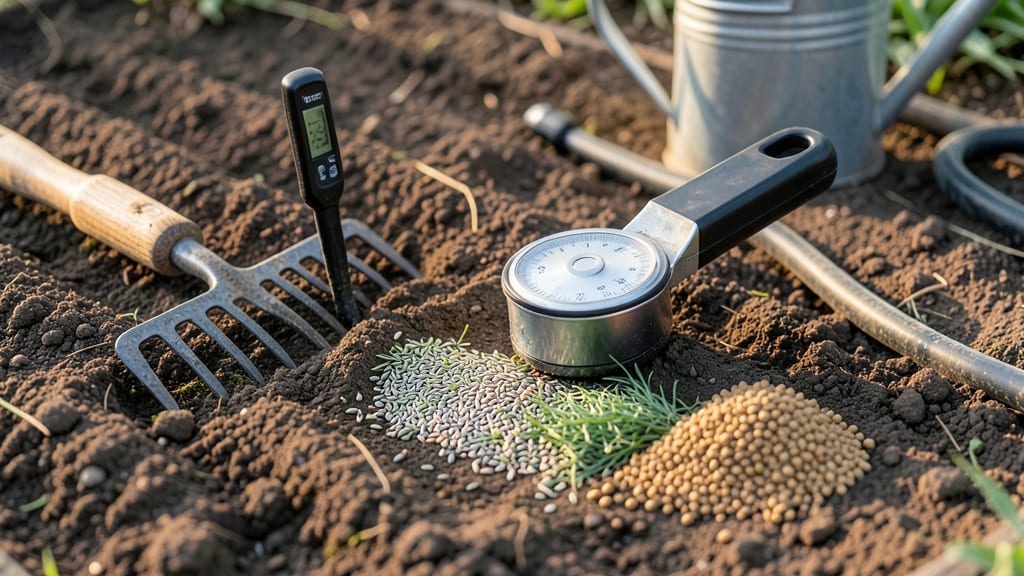
Planting grass seed in Illinois at the right time means the difference between a thick, vibrant lawn and a patchy, weed-infested mess 🌱 — and the window is narrower than you might think.
If you’ve ever spent hours spreading seed only to watch weeds take over or drought turn your lawn brown by summer, you know how critical timing is. Illinois’ unpredictable weather—from late spring frosts to scorching July heat—makes getting the schedule wrong a costly mistake.
The best time to plant grass seed in Illinois is actually early fall (September to early October) or early spring (March to early April), when soil temperatures hover between 50°F and 70°F.
This gives seedlings time to establish roots before extreme heat or cold sets in, and it’s when rainfall is most reliable.
In this guide, I’ll break down the exact frost dates by region, how to prep your soil for maximum germination, and the one trick that keeps weeds from stealing your lawn’s spotlight—so you can finally enjoy that lush, green carpet you’ve been dreaming of.
Best times to plant grass seed in Illinois (spring vs. fall)
If you're dreaming of a lush, green lawn in Illinois, timing your grass seed planting is critical. The state's USDA zones 5-7 create unique challenges, with northern regions facing earlier frosts and southern areas experiencing hotter summers.
Most gardeners swear by fall planting, but spring can work too—if you follow the rules. Let's break down the perfect windows for each season and why fall usually wins.
Fall planting is superior for Illinois lawns because cooler temperatures and consistent rainfall create ideal germination conditions. Grass seeds establish stronger roots before winter, giving them a head start in spring.
Meanwhile, spring planting requires soil temperatures above 50°F and steady moisture—conditions that are harder to predict. Let's compare the two seasons side by side to help you decide.
| Factor | Spring Planting | Fall Planting |
|---|---|---|
| Best Months | March-April (after last frost) | September-October (4-6 weeks before first frost) |
| Soil Temp | 50-65°F (10-18°C) | 60-70°F (15-21°C) |
| Rainfall | Variable (drought risk) | Steady (ideal germination) |
| Weed Competition | High (spring weeds emerge) | Low (weeds slow in cool weather) |
| Establishment Time | 6-8 weeks (summer stress risk) | 4-6 weeks (overwinters well) |
| Northern IL (Zones 5) | April 15-May 15 | September 1-September 30 |
| Southern IL (Zones 6-7) | March 1-April 15 | September 15-October 15 |
For northern Illinois (USDA Zone 5), aim to plant grass seed between April 15 and May 15 in spring, but September 1 to September 30 is even better. The cooler temps and consistent rainfall give seeds the perfect environment to sprout without the stress of summer heat.
In southern Illinois (Zones 6-7), you've got a slightly longer window—March 1 to April 15 in spring, but September 15 to October 15 remains ideal for fall planting.
Spring planting works best when you can time it perfectly—right after the last frost date (typically mid-April in northern IL and late March in southern regions). The key is soil temperature: it must stay above 50°F (10°C) for at least 2 weeks.
Use a soil thermometer to check—if it's cooler, wait. Many gardeners also use cool-season grass mixes like Kentucky Bluegrass or Tall Fescue for spring planting, as they handle cooler temps better.
One common mistake is planting too early in spring when the soil is still cold or too late when summer heat arrives. If you miss the spring window, don't worry—fall is your backup plan.
The 4-6 week window before first frost (usually mid-October) gives seeds time to germinate and establish roots before winter. This is why fall planting often results in thicker, greener lawns the following spring.
Illinois' unpredictable weather makes timing tricky, but here's a pro tip: check the 10-day forecast before planting. Look for consistent temps between 60-70°F and at least 1 inch of rainfall per week.
If you're planting in northern IL, also watch for early frost warnings—seeds need at least 4-6 weeks to establish before winter sets in. For southern regions, keep an eye on humidity levels—too much can lead to fungal issues.
If you're torn between spring and fall, consider this: fall planting gives you a head start in spring, while spring planting lets you enjoy immediate results. However, spring-planted lawns often struggle with summer heat and require more watering and maintenance.
For best results, I recommend fall planting—it's why most Illinois lawn care pros swear by it. Plus, you'll
How to prepare your Illinois lawn for grass seed success
Getting your Illinois lawn ready for grass seed isn’t just about spreading seed and hoping for the best—it’s about creating the perfect conditions for those tiny seeds to sprout into a thick, vibrant carpet 🌱.
Illinois soils vary dramatically from heavy clay in the north to sandy loam in the south, and each type needs different prep work. Skipping these steps means battling poor germination, weeds, and uneven growth.
I’ve learned the hard way that even the best grass seed won’t perform if the soil isn’t ready.
Your first priority is soil testing. Illinois soils often have a pH imbalance—too acidic or alkaline—which can choke out young grass. Most grasses thrive in a pH range of 6.0 to 7.5.
You can grab a DIY soil test kit (around $10) from your local garden center or send a sample to the University of Illinois Extension for a detailed report. This small step saves you from wasting seed on hostile soil.
Here’s my foolproof step-by-step guide to prepping your Illinois lawn, tailored to your soil type and local climate. Follow these steps, and you’ll set the stage for a lawn that outcompetes weeds from day one.
Step-by-Step Lawn Prep for Grass Seed Success
- Test Your Soil: Use a soil test kit to check pH and nutrient levels. Illinois clay soils often need lime to raise pH, while sandy soils may require compost to retain moisture.
- Adjust pH if Needed: For acidic soil (pH < 6.0), apply pelletized lime (follow package rates). For alkaline soil (pH > 7.5), mix in sulfur or peat moss.
- Kill Weeds & Loosen Soil: Spray existing weeds with a non-selective herbicide (like glyphosate) 1-2 weeks before planting. Then, aerate compacted soil with a core aerator to improve seed-to-soil contact.
- Level & Smooth the Surface: Rake out debris and fill low spots with a topsoil/compost mix. Use a lawn roller to create a firm, even seedbed—critical for clay soils that crack when dry.
- Add a Starter Fertilizer: Choose a low-nitrogen, high-phosphorus blend (like 5-10-10) to encourage root growth. Sprinkle evenly and rake lightly to work it into the top ¼ inch of soil.
- Spread Seed Evenly: Use a broadcast spreader for large areas or a hand spreader for edges. Overlap passes to avoid thin patches. Aim for 10-15 lbs of seed per 1,000 sq ft for most Illinois grasses.
- Lightly Rake & Water: Drag a stiff-bristle rake over the area to press seed into soil (no deeper than ¼ inch). Water gently but thoroughly to keep soil consistently moist until germination (about 10-14 days).
Don’t overlook weed control—even after planting. Pre-emergent herbicides can wait until after germination, but hand-pulling weeds early prevents them from stealing nutrients. For clay-heavy soils, add gypsum (calcium sulfate) to improve drainage before seeding.
And if your lawn has sandy patches, mix in composted manure to boost organic matter and water retention.
Pro tip: If you’re seeding in early fall (my top recommendation for Illinois), time your prep to finish by mid-September. Cooler temps and higher humidity mean less watering stress, and seedlings establish roots before winter.
Spring planting? Aim to finish prep by mid-March to avoid late frost damage. Either way, consistent moisture is your best friend—water deeply twice daily until grass reaches 3 inches tall.
With these steps, your Illinois lawn will be ready to outcompete weeds and thrive—no more patchy, weak grass that invites dandelions to take over. Grab your tools, roll up your sleeves, and let’s get that seedbed perfect 🌿.