
Plants
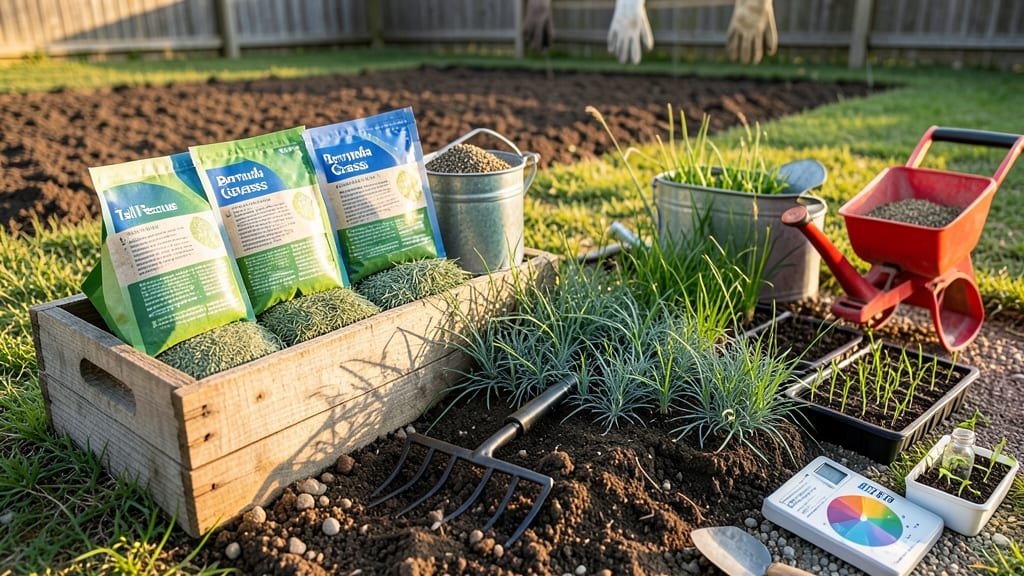
Planting grass seed in Arkansas at the right time—early fall or late summer—sets the stage for a thick, weed-resistant lawn that survives the state’s heat and humidity.
Struggling to get a lush, weed-resistant lawn in Arkansas? Timing your grass seed planting right can mean the difference between a patchy yard and a thick, green carpet—especially with the state’s unpredictable climate.
Cool-season grasses like tall fescue and Kentucky bluegrass thrive when planted before summer’s peak heat, while Arkansas’ 7a-8b zones demand extra attention to soil temperature and rainfall patterns.
Below, I’ll break down the best months for your region, how to prep soil for clay-heavy Arkansas dirt, and why late August or early September often beats spring planting.
Best Arkansas grass seed planting months for cool-season grasses
If you're aiming for a thick, weed-resistant lawn in Arkansas, timing your grass seed planting correctly is everything. With USDA zones 6-8 and Arkansas' unpredictable weather, choosing the right planting window ensures your seeds germinate properly and outcompete weeds.
Cool-season grasses like tall fescue, Kentucky bluegrass, and ryegrass thrive when planted during specific months that align with soil temperatures and rainfall patterns.
The ideal planting months in Arkansas are early fall (August-September) and early spring (March-April). These windows provide the perfect balance of moderate soil temperatures (around 60-75°F) and consistent moisture to help seeds establish strong roots before extreme heat or cold sets in.
Skipping these windows can lead to poor germination, thin lawns, or even seedling death due to Arkansas' summer heat or winter freezes.
Here’s why fall planting often outperforms spring: cooler air temperatures reduce water evaporation, and seeds have 6-8 weeks to establish before winter dormancy. Meanwhile, spring planting works well if you act quickly—before the soil warms above 75°F, which stresses young seedlings.
Let’s break down the best strategies for each grass type and season.
🌱
For tall fescue, my go-to choice for Arkansas lawns, late August to early September is the sweet spot. This timing lets seeds germinate while temperatures stay mild, and fall rains provide natural hydration.
If you miss this window, early March is your second chance—just be ready to water daily until seedlings reach 2-3 inches tall to outpace weeds.
If you’re planting Kentucky bluegrass, aim for September-October when soil temps drop below 75°F. This grass loves cool weather but wilts quickly in Arkansas’ summer heat, so avoid planting in May or June unless you’re prepared for supplemental irrigation.
For perennial ryegrass, which germinates faster than other cool-season grasses, August-September works best—ideal for overseeding existing lawns.
One critical mistake Arkansas gardeners make is planting too late in fall. By October, cooler temps slow germination, and seeds may not establish before winter. Similarly, spring planting after April risks soil temperatures exceeding 75°F, which stresses young grass.
To check soil temp, use a soil thermometer or the "back of your hand" test—if it feels warm to the touch, wait a week or two.
Pro tip: Prepare your soil 2-3 weeks before planting by removing debris, leveling low spots, and mixing in compost for better water retention. Arkansas’ clay-heavy soils can compact easily, so aerate in late summer to improve seed-to-soil contact.
After sowing, lightly rake seeds into the top ¼ inch of soil and keep the area consistently moist until germination (usually 7-21 days, depending on the grass type).
Remember, Arkansas’ microclimates vary—northern regions (like Fayetteville) stay cooler longer, while southern areas (like Little Rock) heat up faster. Adjust your planting timeline by 1-2 weeks based on your specific zone.
For example, if you’re in USDA zone 7a, you might push fall planting to mid-September, while zone 8b gardeners should plant by early September.
Finally, don’t overlook overseeding in late summer to fill thin patches. Mix perennial ryegrass with your existing grass for faster coverage. With the right timing and care, your Arkansas lawn can go from patchy to picture-perfect in just a few months. Happy planting!
🌿
How to avoid common Arkansas grass seed planting mistakes
Arkansas gardeners often make timing mistakes that lead to thin, patchy lawns—especially when planting grass seed too late in fall or ignoring soil temperature requirements. The state’s clay-heavy soils and unpredictable weather add extra challenges, but avoiding these pitfalls can transform your yard from bare spots to a lush carpet.
One of the biggest errors is waiting until late October or November to plant cool-season grasses like tall fescue. By then, soil temperatures drop below the 60°F ideal for germination, slowing growth and inviting weeds.
Even spring planting can backfire if you start too early, when soil is still cold and damp.
Another critical mistake is choosing the wrong grass type for Arkansas’ climate. Bermuda grass thrives in heat but struggles in winter, while Kentucky bluegrass may thin out in southern regions. Match your seed to your USDA zone (7a-8b) and local weather patterns.
⚠️ Warning: Arkansas-Specific Mistakes to Avoid
- Planting after Oct 15: Soil cools too fast, stalling germination.
- Skipping soil tests: Arkansas’ clay soils need lime or sulfur adjustments.
- Using warm-season seed in fall: Bermuda or Zoysia won’t survive winter.
- Overwatering after planting: Causes seed washout in heavy Arkansas rains.
Fix it: Test soil pH (aim for 6.0-7.0), plant tall fescue or ryegrass in late August-September, and water lightly daily until sprouts appear.
Many Arkansas homeowners also overlook soil preparation. Heavy clay soils compact easily, suffocating new grass roots. Before planting, loosen the top 4-6 inches with a garden fork and mix in 2-3 inches of compost to improve drainage and fertility.
If you’ve already planted too late, don’t despair. For fall plantings after October, use a winter ryegrass cover to protect bare soil until spring. In spring, wait until soil warms to 60°F (usually mid-April) before seeding to avoid slow growth.
Finally, resist the urge to mow too soon. New grass needs 3-4 inches of height to establish deep roots. In Arkansas’s heat, this means delaying your first mow until the grass reaches 3.5 inches tall, even if it’s late spring.