
Plants
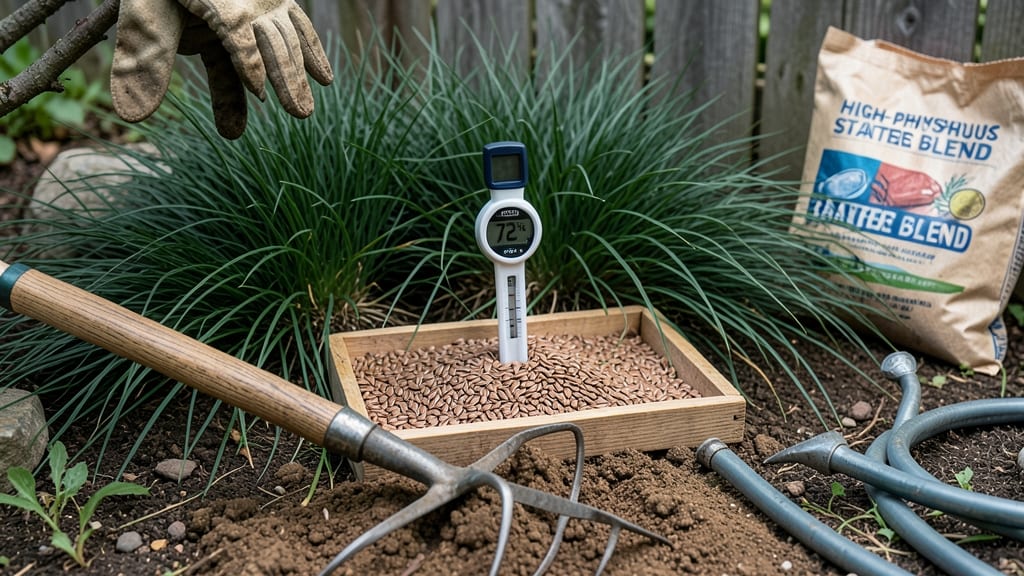
Planting Bermuda grass seed in Arkansas at the right time means the difference between a fast, lush lawn and a frustrating, patchy mess.
If you’ve ever watched your seedling struggle under Arkansas’ brutal summer heat or get outcompeted by weeds, you know timing is everything. The key is planting when soil temperatures hit 65°F—too early, and frost zaps your progress; too late, and weeds steal the show.
For Arkansas’ 7a-8b zones, that window opens in late April through early June for spring planting, or early August to early September for a fall start.
But here’s the secret: northern Arkansas (closer to 7a) needs to wait until after the last frost—usually mid-May—while southern regions can start as early as April.
Below, I’ll break down the exact dates for your zone, soil prep tricks to outsmart Arkansas’ clay-heavy dirt, and a watering schedule that keeps your Bermuda grass germinating fast—no guesswork, just results.
Optimal planting dates for Arkansas Bermuda grass by USDA Zone (2024 guide)
Arkansas’ USDA Zones 7a-8b create unique challenges for Bermuda grass planting, where timing can make the difference between a lush, drought-resistant lawn and a struggling, weed-infested mess.
Unlike cooler climates, Arkansas’ humidity and heat demand precise soil temperature thresholds—typically 65°F or warmer—for successful germination. Missing this window risks slow growth or seed failure.
Most gardeners in northern Arkansas (Zone 7a) should aim for late April to early June, while southern Arkansas (Zone 8b) can extend planting until early July. However, Arkansas’ microclimates—like river valleys or urban heat islands—can shift these dates by 1-2 weeks.
Always check your local soil temperature before planting to avoid costly mistakes.
Here’s a zone-specific breakdown of the best planting windows, including fall alternatives for faster establishment. Bermuda grass thrives in full sun (6+ hours daily), but Arkansas’ summer heat means early morning planting is key to prevent seed desiccation.
For Zone 7a gardeners, planting in late May often yields the best results because it avoids late spring frost while giving seeds time to establish before summer heat peaks. In Zone 8b, however, the window extends later due to warmer microclimates near cities like Little Rock or Jonesboro.
An early start (April) in southern Arkansas can work if you’re using warm-season varieties like Tifway 419 or Riverstar, but always verify soil temperatures with a soil thermometer—cold soils delay germination by 3-5 days per degree below 65°F.
Pro tip: Plant on a cloudy day to reduce seed stress from direct sun.
Fall planting in Arkansas is less common but can double establishment speed if done correctly. Aim for early August in northern zones and mid-August in southern areas.
The goal is to give seeds 6-8 weeks of warm soil before first frost (mid-November). This method minimizes weed competition and reduces summer watering needs.
Arkansas’ clay-heavy soils in areas like Montgomery or Ouachita Counties can slow germination by 20-30% if not amended. Always loosen soil to 3-4 inches deep and mix in compost to improve drainage.
Sandy soils in western Arkansas drain too quickly, so add peat moss to retain moisture during the critical first 2 weeks of growth.
One common mistake is planting too late in summer (July-August in northern zones), which exposes seeds to extreme heat stress. Instead, opt for late spring and use straw mulch to keep soil cool.
For shaded lawns (common in Arkansas’ hardwood forests), choose shade-tolerant Bermuda varieties like Celebration and plant in early spring for maximum light exposure.
Monitor your lawn’s moisture levels closely after planting—Bermuda grass seeds need constant moisture until germination (typically 7-14 days). In Arkansas’ humid climate, water early morning to prevent fungal diseases like brown patch. Use a
How to prepare your Arkansas lawn for Bermuda grass seed success
Preparing your Arkansas lawn for Bermuda grass seed starts long before you sprinkle the first seeds. The state’s clay-heavy soils and high humidity create unique challenges, but with the right prep, you’ll outpace weeds and establish a dense, drought-resistant lawn in just 3-4 weeks.
My secret? Focus on soil health, weed control, and irrigation—three areas where Arkansas gardeners often stumble.
First, test your soil’s pH level—Bermuda grass thrives at 6.0-7.0. If your soil tests higher (common in Arkansas), amend it with sulfur or peat moss 4-6 weeks before planting.
Skip this step, and your seeds will struggle to access vital nutrients, even with perfect watering. I’ve seen lawns fail spectacularly because of ignored pH—don’t let that be you!
Next, clear your lawn of existing weeds using a pre-emergent herbicide like pendimethalin or prodiamine. Apply it 2-3 weeks before planting to give Bermuda grass a clean slate.
Pro tip: Mow your lawn short (1-1.5 inches) 2 days before herbicide application to maximize coverage. Weeds like crabgrass and nutsedge are Bermuda grass’s biggest competitors in Arkansas’ heat.
✅ Step-by-Step Prep Checklist for Arkansas Bermuda Grass
- Test soil pH (aim for 6.0-7.0). Use a home test kit or send a sample to the University of Arkansas Extension for precise results.
- Adjust pH if needed. For alkaline soil (pH >7.0), add 1 lb of sulfur per 100 sq ft and water deeply. Wait 4-6 weeks before planting.
- Apply pre-emergent herbicide. Choose prodiamine (Barricade) and follow label rates. Reapply every 3 months during growing season.
- Till the soil to 3-4 inches deep. Arkansas’ clay compacts easily—break it up with a rototiller or garden fork to improve aeration.
- Level the ground. Fill low spots with topsoil and rake smooth. Bermuda grass needs even seed-to-soil contact for uniform germination.
- Set up irrigation. Install drip lines or sprinklers to deliver 1 inch of water daily until seeds sprout (about 10-14 days). Arkansas’ heat dries seeds out fast!
- Plant seeds at 1/4-inch depth. Use a broadcast spreader for even coverage. Lightly rake soil to cover seeds—don’t bury them deeper.
After clearing weeds, till the soil to 3-4 inches deep—Arkansas’ clay can suffocate seeds if left compacted. Rent a rototiller for large areas or use a garden fork for smaller spots.
Once tilled, level the ground by filling low spots with topsoil and raking until smooth. Bermuda grass seeds need even contact with soil to germinate uniformly; bumpy terrain = patchy lawns.
Irrigation is non-negotiable in Arkansas’ heat. Set up drip irrigation or sprinklers to deliver 1 inch of water daily until seeds sprout (about 10-14 days). Water in the early morning to reduce evaporation and fungal risks.
I’ve seen seeds dry out in hours under Arkansas’ summer sun—don’t skip this step! After germination, reduce watering to 2-3 times per week to encourage deep root growth.
Finally, plant your Bermuda grass seed at a 1/4-inch depth using a broadcast spreader for even coverage. Lightly rake the soil to cover seeds—burying them deeper than 1/4 inch slows germination.
For Arkansas’ clay soils, consider mixing seeds with sand or perlite to improve contact and drainage. Mulch with straw (not wood chips) to retain moisture and protect seeds from bird damage.
With these steps, your Arkansas lawn will be ready for Bermuda grass seeds to thrive—no more guesswork, just a lush, green carpet that beats the heat. Start your prep now, and you’ll be mowing your first cut in just 6-8 weeks! 🌱