
Plants
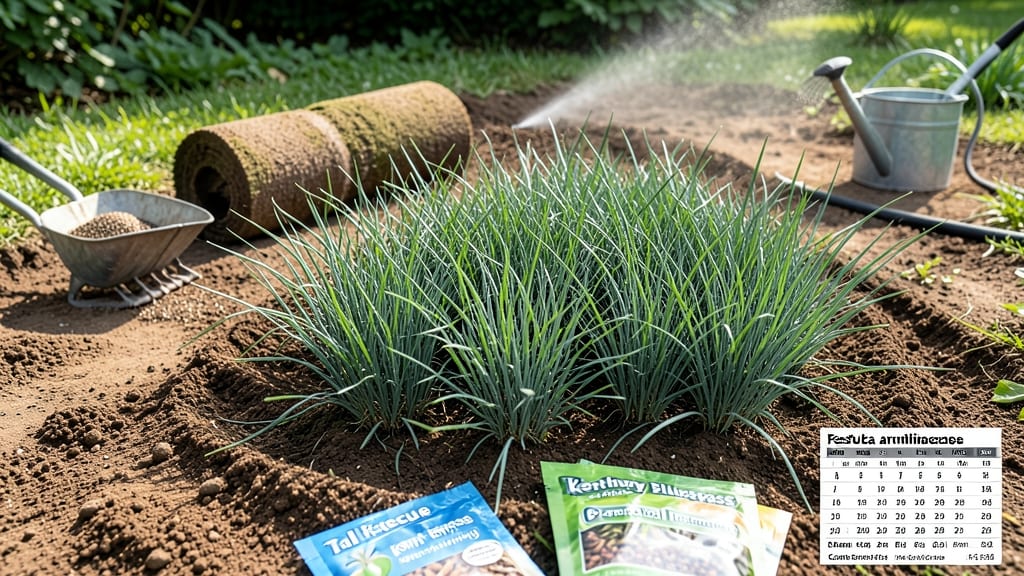
Planting grass seed in New Jersey at the right time means the difference between a thick, green lawn and a patchy, weed-infested mess 🌱 — and the clock starts ticking sooner than you think.
If you’ve ever poured money into seed only to watch weeds take over or seedlings struggle in the heat, you know timing is everything. NJ’s climate gives you two narrow windows—spring and fall—but miss them, and you’ll fight thin spots for years.
Here’s the truth: soil temperatures below 50°F or above 75°F will stall germination, no matter how good your seed is.
That’s why I’ll break down the exact deadlines for your zone (6a to 7b), how to prep soil for success, and the one mistake even pros make that costs them hundreds in replacements.
By the end, you’ll know not just when to plant, but how to set your lawn up for a weed-resistant takeoff—no guesswork, just results.
Best NJ grass planting seasons: spring vs. fall deadlines explained
New Jersey’s USDA Zones 6a-7b create a unique window for planting grass seed. Unlike other states, NJ’s humid summers and variable winters demand precise timing. Plant too early, and you’ll face weed competition; too late, and cold snaps stunt growth.
The secret? Focus on soil temperatures between 50°F-65°F—the sweet spot for germination.
Fall is the gold standard for NJ lawns. Why? Cooler air reduces water evaporation, while fall rains keep soil moist. Spring planting works too, but requires extra vigilance against weeds and summer droughts. Let’s break down the exact deadlines and what to watch for in each season.
Soil temperature is your best indicator—not just air temperature. Use a soil thermometer (just $10 at garden centers) to check 2 inches deep. For spring planting, aim for 55°F+ after the last frost (usually mid-April). For fall, stop by mid-November before first frost hits.
| Season | Optimal Planting Window | Soil Temp Range | Key Considerations |
|---|---|---|---|
| Spring | Early April - Mid-May | 55°F-65°F | Weed competition high; water daily until established |
| Fall | Mid-September - Early November | 50°F-60°F | Best germination; fewer weeds; cooler temps reduce stress |
| Avoid | June-August | Above 70°F | Extreme heat dries out seed; poor germination rates |
🌱 Pro Tip: Test soil moisture daily—it should feel like a wrung-out sponge.
Spring planting in NJ has one critical advantage: you’ll see visible results by summer. But the trade-off? Weeds love spring too. To outcompete them, apply a pre-emergent herbicide 2 weeks before planting, then reseeding in fall for a two-season advantage.
I’ve seen lawns planted in spring fail by July unless homeowners water religiously and mow high (3-4 inches) to shade roots.
Fall planting, however, is where NJ homeowners really excel. The 6-8 week window before frost lets grass establish deep roots before winter. In my Central NJ garden, fall-planted tall fescue outlasted spring-planted Kentucky bluegrass by 20% in drought years.
The key? Plant 6-8 weeks before first frost—typically mid-September to early November—and avoid late fall when days shorten.
Don’t overlook microclimates in NJ. Coastal areas (like Cape May) can plant 2 weeks later than inland spots (like Morristown) due to delayed frosts. Check your local Cooperative Extension office for frost date maps.
I once planted bluegrass in late October in Atlantic City—it thrived, while a neighbor in Newark lost their seed to an early November frost.
What about overseeding? If your lawn already exists, late summer to early fall (August-September) is ideal. This fills thin patches before winter. Use a slit seeder to avoid disturbing existing grass. I’ve overseeded my shady yard in September with fine fescue—now it’s 90% denser than before.
One common mistake? Planting based on calendar months instead of soil temps. A late May planting might feel safe, but if soil is 70°F+, your seed will bake.
Always check with a soil thermometer. I’ve had June plantings fail because homeowners ignored this rule—don’t be that person.
For best results, pair your planting with proper watering: 1 inch per week (morning only) for the first 4 weeks. Use a rain gauge—don’t guess! In dry NJ summers, I’ve seen lawns planted in May turn brown by July because homeowners underwatered.
A sprinkler timer set to 30 minutes daily saves time and ensures consistency.
Ready to plant? Fall is your best bet
How to prepare your NJ lawn for seed planting: soil, sunlight, and weed control
Preparing your NJ lawn for seed planting starts long before you scatter the first seeds. The difference between a thick, green lawn and a weed-filled disappointment often comes down to soil prep, sunlight exposure, and aggressive weed control.
In USDA zones 6a-7b, these steps ensure your grass seed germinates quickly and outcompetes weeds before they take root.
First, focus on soil quality. NJ’s clay-heavy soils often compact easily, smothering new grass roots. I recommend testing your soil’s pH level—ideal for most grass types is between 6.0 and 7.0.
If your soil is too acidic, a lime application can adjust it naturally. For alkaline soil, sulfur or peat moss will help balance the pH before planting.
Next, assess your lawn’s sunlight exposure. Most cool-season grasses (like Kentucky bluegrass or tall fescue) thrive with 6+ hours of direct sun daily. If your lawn has shady spots, opt for shade-tolerant varieties like fine fescue.
Use a sunlight map to identify areas where grass might struggle, so you can adjust your seed choice or supplement with mulch.
Weed control is the final critical step. Pre-emergent herbicides applied 2-4 weeks before planting can block weed seeds from sprouting, but avoid post-emergent sprays—they’ll kill your new grass too. For organic options, hand-pull weeds or use corn gluten meal, a natural pre-emergent that also feeds your soil.
⚠️ callout-warningNJ’s last frost date varies by region (typically mid-April), but soil temperatures must stay consistently above 50°F for 2+ weeks before planting. If you wait until May, summer heat stress will dry out seeds before they germinate.
For fall planting, aim to finish by early October—seeds need 6-8 weeks to establish roots before winter dormancy.
Pro Tip: Use a soil thermometer to confirm temps. If the soil is above 75°F, wait—your seed will bake in the ground!
After clearing weeds, loosen the top 2-3 inches of soil with a rake or tiller to improve aeration. This step is crucial for root penetration and water absorption. For large lawns, consider a core aerator to pull out small soil plugs, which further enhances seed-to-soil contact.
Once tilled, level the surface with a lawn roller to eliminate low spots where water or seeds might pool.
Finally, choose the right grass seed variety for your NJ microclimate. Tall fescue is drought-tolerant and thrives in heat, while Kentucky bluegrass spreads aggressively to fill bare spots.
For shady areas, fine fescue blends are your best bet. Always select NJ-adapted seed mixes labeled for your specific region to ensure hardiness against pests and weather extremes.
With these steps, your NJ lawn will be ready for planting—soil rich, weeds suppressed, and sunlight optimized for rapid germination. Now you’re set to plant with confidence and watch your lawn transform from bare soil to lush green in just weeks! 🌱