
Plants
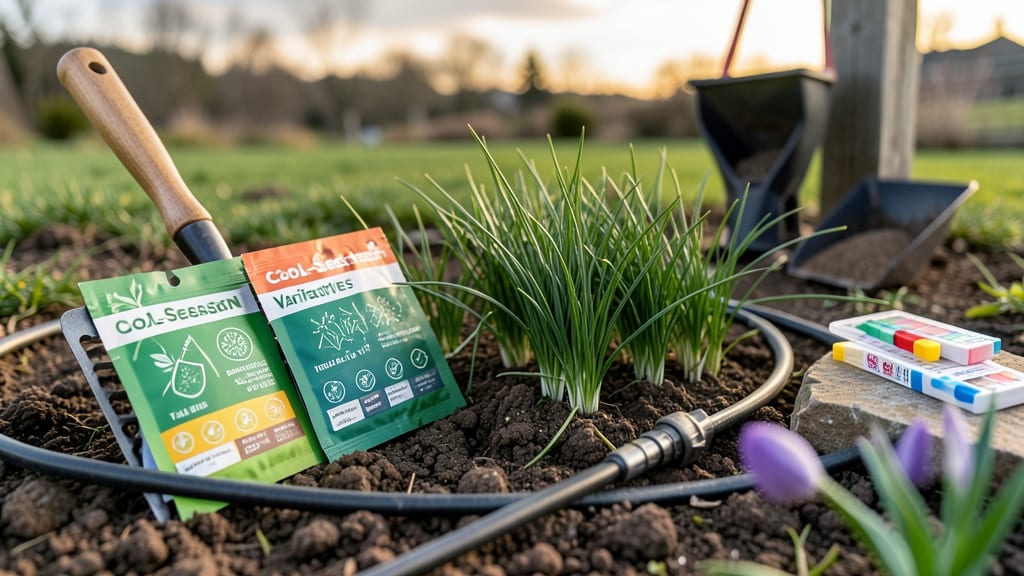
Planting grass seed in Indiana at the right time means the difference between a lush lawn and a patchy, slow start — and the best window isn’t just about the calendar.
If you’ve ever rushed to plant your 🌱 Grass Seed (Turfgrass) only to watch it wither under a late frost or struggle in scorching summer heat, you know timing is everything.
Indiana’s 5b-6b climate throws curveballs, with soil temperatures fluctuating wildly between zones, and a misstep can cost you months of growth.
Here’s the game-changer: soil temperature, not just frost dates, dictates success. In northern Indiana, aim for 50°F+ in early spring (March-April) or 65°F or lower in fall (September-October), while southern Indiana can push those windows a week or two later.
But there’s more to it than dates — we’ll break down how to test your soil, pick the right grass type for your zone, and avoid the three biggest mistakes that derail lawns before they even start.
By the end, you’ll know exactly when to plant, what to watch for, and how to give your grass the best possible start — no guesswork, just green.
Indiana’s grass seed planting deadlines by soil temperature zone
Indiana’s climate creates unique challenges for grass seed planting, where soil temperature—not just calendar dates—determines success. Most grass seeds need soil temps between 50°F and 65°F to germinate properly.
In USDA zones 5b-6b, this means two ideal windows: early spring (after last frost) and early fall (before first frost). But getting it wrong can lead to slow growth, patchy lawns, or even seed rot.
Northern Indiana (zones 5b) typically waits until mid-April to early May for spring planting, while southern Indiana (zones 6b) can start as early as late March. Fall planting works best from mid-September to early October across the state.
The key? Soil temperature, not air temperature. A chilly morning might hide warm soil ready for seeds, or a sunny day could fool you into planting too early.
Here’s how Indiana’s USDA zones 5b and 6b break down for optimal planting:
Testing soil temperature is simpler than you think. Use a soil thermometer (available for $10–$15) to check 1 inch deep in the morning. If it’s below 50°F, wait—cold soil delays germination and invites fungal diseases.
Pro tip: Plant in the late afternoon when soil has absorbed daytime warmth, giving seeds a head start.
Spring planting in Indiana often fails because gardeners rush after the last frost. But soil temperature matters more than air temp. For example, in USDA zone 5b, March air might feel spring-like, but soil can still be 40°F.
Wait until your thermometer reads 50°F+ consistently for 3–5 days. Fall planting has a similar trick: 65°F soil is ideal, but by October, you’re racing against frost.
Another common mistake? Planting warm-season grasses (like Bermuda) too early. These need 70°F+ soil and thrive in summer heat. Stick to cool-season grasses (Kentucky bluegrass, tall fescue) for Indiana’s spring/fall windows.
If you’re unsure, check your seed packet—it’ll list ideal soil temps. For most Indiana lawns, tall fescue is the safest bet due to its drought tolerance and wide temperature range.
Once you’ve nailed the soil temp, prep your lawn by removing debris and raking to expose bare soil. Lightly scratch the surface with a rake to create a fine seed bed, then spread seed evenly.
A starter fertilizer (like 10-10-10) at planting gives roots a boost. After sowing, keep soil consistently moist—not soggy—until germination (usually 10–21 days). A light mulch of straw can help retain moisture without smothering seeds.
Indiana’s microclimates can shift planting windows by weeks. For example, urban areas (like Indianapolis) may warm faster than rural zones, while low-lying spots stay cooler longer. Pay attention to local frost dates (check the National Weather Service or your county extension office) and adjust accordingly.
If you’re late to plant, consider hydrated grass seed, which germinates faster in cooler soil.
Remember: Fall planting often yields better results than spring in Indiana because cooler temps reduce weed competition and water stress. Aim to finish by mid-October to give grass time to establish before winter.
And if you miss both windows? Some perennial ryegrass varieties can handle late planting, but expect slower growth.
Timing your grass seed planting by soil temperature—not just the calendar—is the secret to a lush, even lawn in Indiana. With these thresholds in mind, you’ll avoid the pitfalls of planting too early or too late, and set your grass up for success from day one. 🌱
How to adjust your planting timeline for Indiana’s unpredictable weather
Indiana’s spring weather can shift faster than a late frost sneaks in, leaving your grass seed vulnerable. The key to success? Flexibility. While the ideal planting window is typically March-April or September-October, Indiana’s 5b-6b zones often demand adjustments based on real-time conditions.
Start by checking the National Weather Service for your county’s 10-day forecast—look for consistent 50°F+ soil temps and stable rainfall patterns.
Don’t rely solely on frost dates. In northern Indiana, a late-May frost isn’t unheard of, while southern Indiana might see 60°F soil temps by early March. Use a soil thermometer ($10 at garden centers) to verify conditions before planting.
If your soil is below 50°F, wait—cold soil slows germination and invites fungal diseases. Pro tip: Test soil in the morning shade for the most accurate reading.
Use a soil thermometer at 2-inch depth. Ideal range: 50°F-65°F for cool-season grasses.
Aim for 0.5-1 inch of rain in the first 2 weeks after planting. Check NOAA’s 7-day precipitation before seeding.
Apply straw mulch (1/4 inch thick) if planting after May 15 to retain moisture and protect seedlings.
If spring is too late, plant cool-season grasses in early September for a 6-week head start before winter.
If your planting window slips due to rain delays, don’t panic. Indiana’s fall planting (September-October) is equally effective for cool-season grasses like Kentucky bluegrass and tall fescue. Seedlings establish roots before winter, giving you a jumpstart in spring.
For late starts, use a lightweight straw mulch to lock in moisture and shield seedlings from summer heat stress.
Monitor your lawn’s moisture levels with a simple test: Grab a handful of soil—if it crumbles when dry, water immediately. If it sticks together, wait 24 hours. Overwatering is a common mistake that causes seed rot.
Aim for 1/2 inch of water per week (including rainfall) during germination. For extra insurance, use a rain gauge or set a timer for sprinklers to avoid guesswork.
When all else fails, stagger your planting. Divide your lawn into sections and plant every 2-3 weeks to ensure continuous coverage. This buffer strategy accounts for Indiana’s unpredictable weather shifts and guarantees at least part of your lawn will thrive.
Remember: patience beats perfection—a well-timed, flexible approach will outperform rigid schedules every time.
With these adjustments, you’ll turn Indiana’s weather chaos into a lawn-growing advantage. Start testing your soil now, and you’ll be mowing a lush, even lawn by summer—no matter what Mother Nature throws your way. 🌱