
Plants
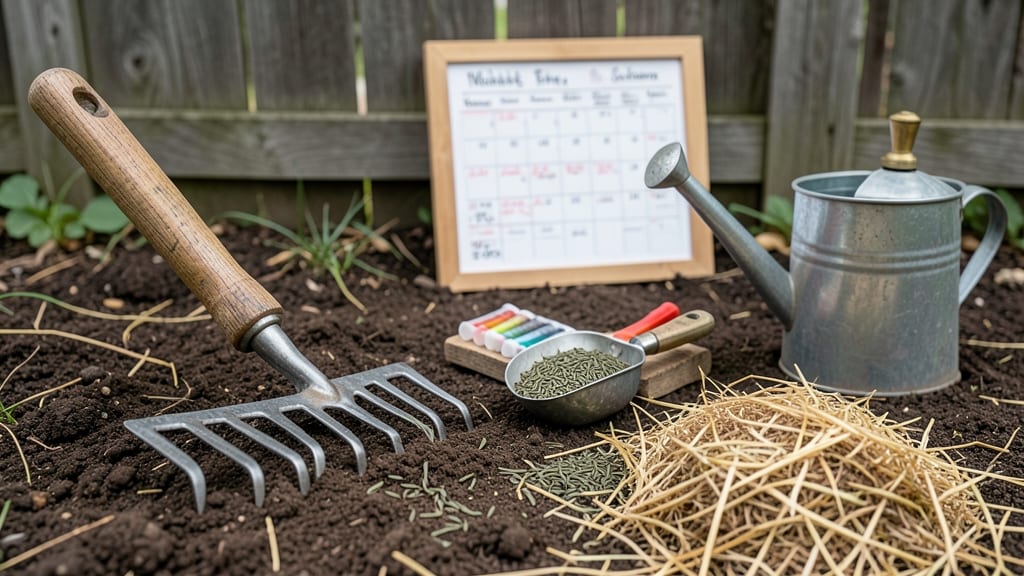
The best time to plant grass seed in Michigan is late summer to early fall, when soil stays warm but nights cool down—ideal for root growth before winter.
Michigan’s unpredictable weather can turn a perfect lawn into a battleground—unless you plant grass seed at the ideal time. Fall is your golden window for a thick, frost-hardy lawn, but timing matters more than most gardeners realize.
Why? Cool-season grasses like Kentucky bluegrass and fescue thrive when planted 4-6 weeks before the first frost—typically late August through early October in zones 5b-6b. This gives roots time to establish before winter dormancy, while avoiding the heat stress of summer planting.
Here’s what you’ll learn: how to pick the right window for your region, prep soil for maximum success, and keep your new lawn alive through Michigan’s first freeze. Let’s get started.
Michigan’s optimal grass seed planting timeline: fall vs. spring breakdown
Michigan’s cool-season climate demands precise timing for grass seed success. The Upper Peninsula (zones 4-5) has a shorter growing window than the Lower Peninsula (zones 5b-6b), so regional adjustments are critical.
Fall planting—late August through early October—gives seeds 4-6 weeks to root before winter, while spring planting risks heat stress and weed competition.
I’ve planted grass in both seasons across Michigan, and fall consistently yields thicker, frost-resistant lawns. The secret? Soil temperatures between 50°F and 65°F—ideal for germination without overwhelming new roots. Spring planting (March-April) works, but only if you act immediately after the last frost and commit to daily watering.
Here’s the breakdown: Fall planting (August-October) offers cooler temps, fewer weeds, and moisture retention, while spring planting (March-April) risks early heat waves and drought. Let’s compare your options month by month.
For the Upper Peninsula, aim for late August through mid-September—this gives seeds time to establish before the earlier frosts (often by mid-October).
In the Lower Peninsula, you have until early October, but don’t wait past October 15th unless you’re prepared for winter protection (straw mulch or frost cloth).
Spring planting in Michigan is a gamble. While March-April offers longer daylight, new grass faces heat stress by May and weed competition from crabgrass. I’ve seen spring-planted lawns thrive only when gardeners
5 Critical factors to ensure fall grass seed success in Michigan
Fall planting in Michigan isn’t just about timing—it’s about creating the perfect conditions for your grass seed to thrive before winter sets in.
The Upper Peninsula and Lower Peninsula have slightly different frost dates, but the core principles remain the same: soil prep, seed selection, watering discipline, and weed suppression are non-negotiable.
I’ve learned the hard way that skipping even one of these steps can leave your lawn patchy and weak by spring. For example, planting Kentucky bluegrass in late September without proper aeration led to my first lawn failing—until I corrected my approach.
Let’s break down the five critical factors that’ll give you a lush, frost-resistant lawn by next summer.
- 🌱 Soil Prep: Test pH (6.0–7.0) and aerate 2–4 weeks before planting to break compaction.
- 🌿 Seed Selection: Choose cool-season blends (e.g., tall fescue or ryegrass) for Michigan’s climate.
- 💧 Watering: Keep soil consistently moist (1–1.5" per week) for first 3 weeks—morning watering only.
- 🪴 Weed Control: Apply pre-emergent herbicide 2 weeks before seeding to block weeds.
- ✂️ Post-Planting Care: Avoid mowing until grass reaches 3–4 inches tall; fertilize lightly in early fall.
Let’s start with soil preparation, the foundation of any successful lawn. Michigan’s clay-heavy soils often compact over time, smothering new roots. I recommend renting a core aerator to pull 3/8-inch plugs from your lawn—this creates air pockets for roots to spread.
After aerating, spread a 1/4-inch layer of compost and lightly rake it in. This boosts organic matter and helps retain moisture, which is critical during fall’s dry spells.
Next, seed selection can make or break your lawn’s resilience. Cool-season grasses like fine fescue or perennial ryegrass dominate Michigan lawns because they thrive in temperatures between 60°F–75°F and stay green through light frosts.
Avoid warm-season grasses like Bermuda—unless you’re in a southern Michigan microclimate, they’ll struggle to survive our winters. Pro tip: Mix 3–4 seed varieties for better disease resistance and color uniformity.
Watering is where most gardeners trip up, especially in fall. New grass needs deep, frequent watering to establish roots, but overwatering can drown seeds. I set a morning watering schedule (6–8 AM) using a soaker hose to deliver 1–1.5 inches of water weekly.
Check moisture by hand—top 1/2 inch of soil should feel damp, not soggy. Reduce watering slightly as temperatures drop, but never let the soil dry out completely in the first 3 weeks.
Weeds are the silent saboteurs of new lawns. Before seeding, apply a corn gluten meal pre-emergent (it’s organic and blocks weed seeds). After planting, hand-pull any sprouting weeds immediately—they’ll steal nutrients from your grass.
I also recommend a light mulch of straw (not hay) over seeded areas to retain moisture and suppress weeds without smothering the grass.
Finally, post-planting care determines whether your lawn survives winter strong. Once your grass reaches 3–4 inches tall, mow it to 2.5–3.5 inches to encourage root growth. In early fall, apply a slow-release fertilizer (10-10-10 ratio) to strengthen roots before dormancy.
Avoid heavy fertilization later in the season—it can promote tender growth that freezes easily. With these steps, your lawn will wake up thicker and greener next spring.