
Plants
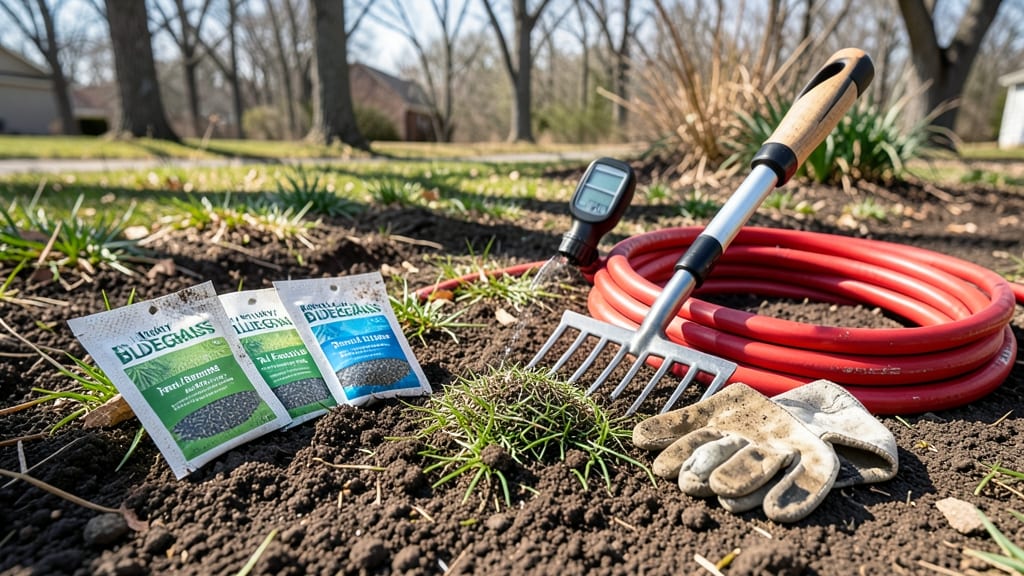
Planting grass seed in Michigan at the right time—typically early fall—sets the stage for a lush, resilient lawn that outlasts winter and thrives in spring.
Michigan’s unpredictable climate can make or break your lawn—planting grass seed at the wrong time means weak roots, patchy growth, or wasted money. But timing it right in early fall unlocks deep root systems that survive harsh winters and thrive in spring.
In USDA zones 5a-6b, the ideal window stretches from late August through mid-September, when soil temperatures hover between 50–65°F and before the first frost hits. This gives grass seedlings 4–6 weeks to establish before winter dormancy.
Below, I’ll break down the exact timing for your region, soil prep secrets, and the one mistake that ruins more lawns than any other—so you can skip the guesswork and get a lawn that’s the envy of the neighborhood.
Michigan’s best grass seed planting windows: early fall vs. spring timing explained
Michigan’s climate throws curveballs—cool springs and early frosts can derail your lawn if you plant grass seed at the wrong time. The best window for planting is early fall (August–September), when soil stays warm but air cools, giving seeds 6–8 weeks to establish roots before winter.
Spring planting is riskier but possible if you act fast after last frost dates (mid-April in most regions).
Your success hinges on soil temperature, not just calendar dates. Grass seeds need 50–65°F soil to germinate—too cold, and they rot; too hot, and they dry out.
Michigan’s Upper Peninsula (USDA zones 4a–5a) has shorter growing seasons than the Lower Peninsula (5a–6b), so timing shifts 2–3 weeks earlier in the north.
Here’s the breakdown: fall planting (August–September) gives seeds 4–6 weeks of warm soil and cool air, reducing weeds and fungal risks. Spring planting (April–May) races against early heat waves and deer pressure, but can work if you overseed in late April once soil warms to 55°F.
For Upper Peninsula gardeners, aim for late August planting—soil stays warm longer, but first frosts arrive by mid-October. In the Lower Peninsula, stretch your window to early September (frosts hit late October). Use a soil thermometer to confirm temps—55°F+ is your sweet spot for germination.
Spring planting demands precision timing. Wait until after May 1 in most areas (check your last frost date), but don’t delay past early June—summer heat will stress seedlings. If you’re in Zone 5a (northern Michigan), push planting to late May to avoid late spring frosts.
Pro tip: Overseed in fall for a thicker lawn. Cool-season grasses like tall fescue and Kentucky bluegrass thrive in Michigan’s climate, but warm-season grasses (Bermuda) struggle in our short summers. Stick to cool-season blends for year-round success.
Watch for deer and wildlife in fall—they’ll munch fresh grass faster than it grows. Use deer-resistant seed mixes or temporary fencing to protect new seedlings. In spring, birds may scatter seed, so consider straw mulch to hold seeds in place.
Remember: Watering is critical in both seasons. Keep soil consistently moist (not soggy) for 2–3 weeks after planting. In fall, reduce watering as temps drop, but never let soil dry out during establishment. Spring planters often overwater—stick to 1 inch per week.
Timing your grass seed planting right in Michigan isn’t just about calendar dates—it’s about soil science and climate smarts. Fall gives you the edge for a lush, resilient lawn, but spring can work if you’re prepared and patient.
Grab your soil thermometer, mark your calendar, and give your lawn the best possible start.
Step-by-step guide: preparing Michigan soil for fall grass seed success
Fall is the perfect time to transform your Michigan lawn, but only if your soil is prepped correctly. Michigan’s clay-heavy soils and compacted lawns can block water and nutrients, stifling new grass growth.
The key? Testing, aerating, and amending your soil 4–6 weeks before planting to create the ideal seedbed.
Start by testing your soil pH—Michigan’s native soils often skew acidic (below 6.0). Aim for a pH of 6.0–7.0, which is perfect for cool-season grasses like tall fescue and Kentucky bluegrass.
Use a DIY soil test kit (available at garden centers) or send a sample to your local MSU Extension office for precise results.
🌱 Step-by-Step Soil Prep for Michigan Grass Seed
- 🔹 Test Soil pH: Use a kit to check pH. If below 6.0, add lime (follow package rates). If above 7.0, mix in sulfur or peat moss.
- 🔹 Aerate Compacted Soil: Rent a core aerator (not a spike aerator) to pull 3–4 inch plugs from your lawn. Focus on high-traffic areas where soil is most compacted.
- 🔹 Remove Weeds: Hand-pull or spot-treat with a vinegar-based herbicide (avoid chemical herbicides before seeding). Let the area dry for 24–48 hours.
- 🔹 Loosen Topsoil: Use a rake or tilling tool to break up the top 1–2 inches of soil, creating a fine, crumbly texture. For clay soil, mix in compost or sand (50/50 ratio).
- 🔹 Choose the Right Seed: Pick cool-season grasses like tall fescue (drought-tolerant) or Kentucky bluegrass (shade-friendly). Avoid warm-season grasses like Bermuda— they struggle in Michigan winters.
- 🔹 Spread Seed Evenly: Use a broadcast spreader and overlap passes to avoid gaps. Lightly rake seeds into the soil (1/4 inch deep max) to ensure contact with moist soil.
- 🔹 Mulch and Water: Apply a thin layer of straw mulch (not hay—it contains weed seeds) to retain moisture. Water lightly daily to keep the top inch of soil damp until germination (7–14 days).
Michigan’s clay soil can be tricky—if it’s heavy and sticky when wet, mix in coarse sand or perlite to improve drainage. For sandy soils, blend in compost or peat moss to retain moisture. After amending, let the soil settle for 3–5 days before seeding to avoid washing away nutrients.
Don’t overlook weed control—even small weeds compete with grass seedlings for water and nutrients. Pre-emergent herbicides can wait until after germination, but post-emergent treatments should be avoided entirely during the seeding process. Instead, hand-pull weeds or use a boiling water treatment for stubborn patches.
Once your soil is prepped, seed selection becomes critical. Michigan’s climate favors cool-season grasses, which germinate quickly in 50–65°F soil and handle winter dormancy. For shady areas, consider fine fescue; for sun and durability, tall fescue blends are my top recommendation.
Always check the seed label for cool-season variety and perennial (not annual) grasses.
With the right soil prep, your Michigan lawn will establish deep roots before winter, outlasting frost and emerging stronger in spring. The effort upfront pays off in a thicker, greener lawn with minimal summer stress—no more patchy, weak grass that browns by July!