
Companion Plants
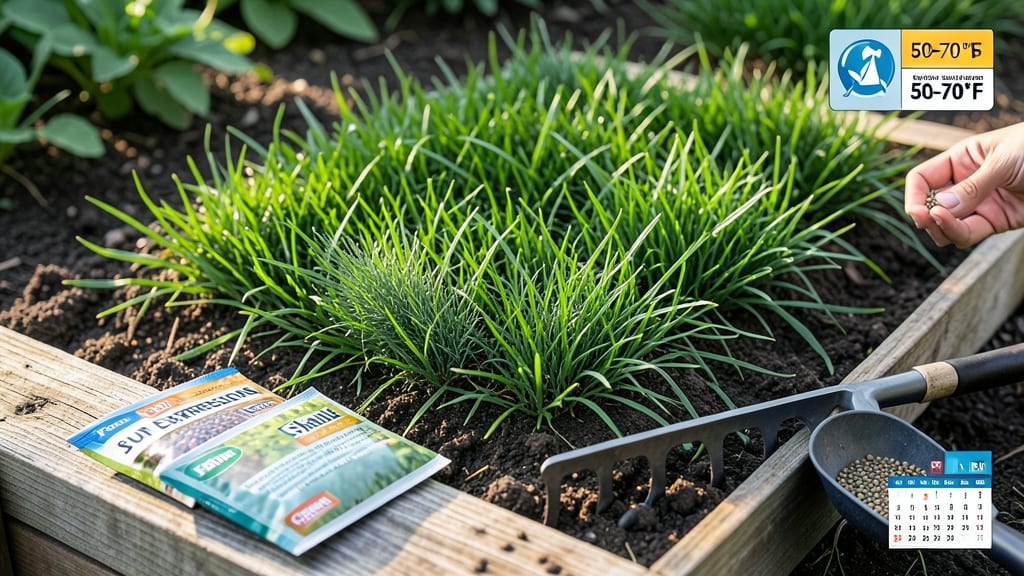
Planting grass seed in Michigan at the wrong time can turn your investment into a patchy, slow-growing mess — the soil temperature and frost-free window for your zone are the real game-changers.
Picture this: You spread seed in late February, only for a surprise frost to kill your progress. Or you wait until May, and the heat arrives before the grass even sprouts. Michigan’s 5b-6b zones demand precision, not guesswork.
Here’s the good news: With the right timing, you can establish a thick, resilient lawn in early spring or fall, avoiding the pitfalls of late frosts or drought.
I’ll break down the exact soil temps (50–65°F) and frost-date rules for each Michigan region, plus how to prep your yard for success.
Skip the trial-and-error — learn the optimal windows and seed varieties that thrive in Michigan’s climate, so your lawn grows strong from day one.
Michigan grass planting timeline by USDA hardiness Zone (soil temp & frost dates)
Michigan’s five USDA hardiness zones (4a-6b) create wildly different planting windows for grass seed—getting the timing wrong means slow germination, weak roots, or even total failure.
Cool-season grasses like Kentucky bluegrass and tall fescue thrive when soil temps hit 50–65°F, while warm-season options like Bermuda grass need 65–75°F to sprout. Below, I’ll break down the exact frost dates and soil temperature thresholds for each zone so you can plant with confidence.
Most Michigan gardeners focus on early spring (March–April) or early fall (August–September) planting, but your last frost date and soil warmth dictate the real window.
For example, Zone 4a (Upper Peninsula) has a later last frost (May 10), while Zone 6b (southern Michigan) can plant as early as March 15. Warm-season grasses like zoysia only work in Zones 5b–6b and must wait until late May.
For Zone 4a gardeners in the Upper Peninsula, waiting until late April ensures soil temps stay above 50°F—any earlier, and frost will kill new seedlings.
I’ve seen tall fescue planted in Zone 5a as early as mid-March, but only if you use a seed blanket to protect against late frosts. <
How to check soil temperature & prepare your Michigan lawn for planting
Michigan’s unpredictable spring weather makes soil temperature the most critical factor for successful grass seed germination. Unlike warm climates, cool-season grasses like Kentucky bluegrass and tall fescue need soil temps between 50–65°F to sprout consistently.
Testing your soil’s warmth before planting ensures your seed doesn’t sit dormant or get fried by sudden heatwaves.
Start by monitoring your local frost-free dates, which vary by zone—southern Michigan averages April 15, while the Upper Peninsula can wait until May 10. Planting too early risks frost damage, while waiting too long may trigger summer dormancy.
The key? Aim for 4–6 weeks before your last frost date when soil temps stabilize in that ideal range.
⚠️ Warning: Common Mistake That Kills Michigan Lawns
Planting grass seed when soil temps are below 50°F or above 70°F leads to slow germination or seed death. Many gardeners in Michigan’s 5b-6b zones mistakenly plant in late March only to face frost, or wait until June when heat stresses seedlings. Use a soil thermometer (insert 2 inches deep) to confirm temps—this is the only way to avoid costly re-seeding.
🌱 Pro Tip: Rent a seedling heat mat ($20–$30) if your soil runs cold, especially in northern Michigan.
Preparing your lawn begins with soil testing—Michigan’s clay-heavy soils often need amendments. Grab a sample from 2–4 inches deep and send it to your local MSU Extension office (free or low-cost).
Aim for a pH of 6.0–7.0; adjust with lime (to raise pH) or sulfur (to lower it) 4–6 weeks before planting. Compacted soil? Rent a core aerator in early spring to improve seed-to-soil contact.
Once your soil is ready, clear debris and loosen the top 1/4 inch with a rake or slit seeder. For bare soil, spread a starter fertilizer (high in phosphorus) to encourage root growth.
Water lightly to settle seeds, then keep the top 1/2 inch of soil moist—not soggy—until germination (typically 7–21 days for cool-season grasses). A sprinkler with fine mist works best to avoid washing seeds away.
Fall planting (late August–early September) is just as critical—soil temps cool naturally, reducing weed competition. Test soil temps again; they should be 60–70°F at 2 inches deep. Water deeply 2–3 times per week until frost, then reduce to 1 inch weekly in winter.
This deep watering routine prevents dormancy and ensures a thicker lawn next spring.
Remember: Michigan’s late frosts can strike until May 10 in some areas. Use frost cloth on young seedlings if nighttime temps dip below 32°F. With the right soil prep and timing, your lawn will establish twice as fast and outcompete weeds naturally. 🌱