
Plants
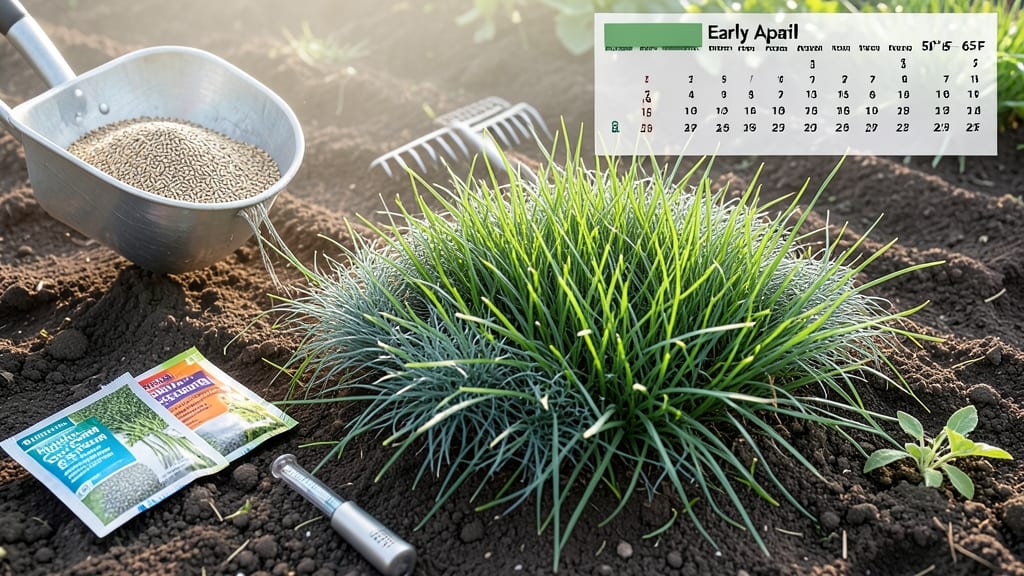
The best time to plant grass seed in Minnesota is between early spring and early fall, when soil temperatures hover between 50°F and 65°F—but timing can make or break your lawn.
Minnesota’s unpredictable climate can turn a lush, green lawn into a frustrating patchwork of brown spots if you plant grass seed at the wrong time.
Whether you’re in USDA Zone 3 or 5, getting the timing right means avoiding frost, drought, and even deer raids to ensure your seed takes root and thrives.
Spring planting kicks off as soon as the ground is workable—typically April to early May—while fall offers a second chance from mid-August to early September. Both windows give grass seedlings the 4-6 weeks they need to establish roots before winter or summer stress sets in.
In this guide, I’ll break down the exact dates for your region, soil prep secrets, and how to spot the warning signs of poor timing—so you can skip the guesswork and grow a thick, resilient lawn that lasts.
Minnesota’s ideal grass planting windows: spring vs fall deadlines explained
Minnesota’s climate demands precision when planting grass seed—timing directly impacts root establishment and long-term lawn health. While many gardeners focus on spring planting, fall often delivers superior results due to cooler temperatures and reduced weed competition.
Let’s break down the optimal windows for each season, including soil temperature thresholds and regional variations.
For spring planting, the ideal window spans from late April to mid-May, once soil temperatures consistently reach 50°F (10°C).
In southern Minnesota (USDA zones 4-5), this typically means early April for warm-season grasses like Bermuda or Zoysia, while northern regions (zones 3-4) should wait until mid-May to avoid frost damage. Planting too early risks seed washing away or freezing.
Fall planting, however, often outperforms spring in Minnesota. The best window is from late August to mid-September, when daytime temperatures hover around 60-70°F (15-21°C) and nights cool down.
Grass seeds germinate slowly in fall, giving roots time to establish before winter dormancy. This approach minimizes weed competition and drought stress, leading to thicker, more resilient lawns.
Regional differences matter—southern Minnesota (e.g., Minneapolis, Rochester) can start fall planting as early as late August, while northern areas (e.g., Duluth, Brainerd) should delay until early September to avoid early frosts.
Microclimates near lakes or urban heat islands may also shift these deadlines by 1-2 weeks, so monitor local forecasts.
Soil temperature is the ultimate decider. Use a soil thermometer to confirm 50°F (10°C) for spring or 60°F (15°C) for fall before planting. Cold soil slows germination, while overly warm soil can dry out seeds. In northern Minnesota, aim for late May in spring and early September in fall to align with these thresholds.
Here’s a quick comparison to help you decide which season suits your lawn best:
Fall planting wins for Minnesota’s climate because it aligns with the natural growth cycle of cool-season grasses like Kentucky Bluegrass and Tall Fescue, which dominate local lawns.
These grasses grow slowly in fall, developing deep roots before winter. Spring planting, while possible, faces higher weed pressure and drought stress as temperatures rise.
If you choose spring planting, prioritize cool-season grasses and prepare your soil early—aerate in late fall and apply compost to improve moisture retention. For fall planting, focus on late August in southern MN or early September in the north.
Test soil moisture weekly; seeds need consistent dampness to germinate, but avoid waterlogging.
Pro tip: Use a seed starter fertilizer (high in phosphorus) to boost root growth, regardless of season. In northern Minnesota, extend your fall window by 2 weeks if your microclimate stays warm longer—urban areas, for example, may support planting until mid-October.
Always check the MN DNR frost forecast for local adjustments.
Remember, timing isn’t rigid—adapt to your lawn’s specific conditions. Whether you plant in spring or fall, the key is soil prep, consistent moisture, and patience as roots establish. A well-timed lawn in Minnesota can thrive for years with minimal maintenance.
Critical factors that determine success: soil, weather, and seed selection
Before you even sprinkle grass seed across your Minnesota lawn, three critical factors will make or break your success: soil quality, weather timing, and seed selection.
Skipping prep work or ignoring frost warnings can leave you with sparse patches or washed-away seed—don’t let that happen to your $500 investment.
Let’s start with soil. Minnesota’s clay-heavy or sandy soils often need amendments to hold moisture and nutrients. A simple soil test (available at local U of M Extension offices for ~$15) reveals your pH—aim for 6.0 to 7.5.
If it’s off, add lime to raise pH or sulfur to lower it, then till in 2-3 inches of compost to improve texture and fertility.
- ☑️ Test soil pH (6.0–7.5 ideal)
- ☑️ Aerate compacted soil (rent a core aerator for $60/day)
- ☑️ Remove debris (rocks, weeds, thatch)
- ☑️ Level uneven spots (rent a lawn roller)
- ☑️ Check 7-day forecast (no rain >1 inch/day)
Weather is your next battleground. Planting too early means frost damage or seed washing away in spring rains, while late planting leaves grass vulnerable to summer drought. Check the National Weather Service’s 10-day forecast—you need consistent temps above 50°F and minimal rain for 2 weeks post-planting.
Pro tip: Use a soil thermometer ($10 at garden centers) to confirm ground temps are 55°F+.
Seed selection ties it all together. For Minnesota, tall fescue and Kentucky bluegrass dominate due to their cold tolerance, but fine fescue thrives in shady spots. Mixing types (e.g., 50% tall fescue + 30% bluegrass + 20% ryegrass) creates a resilient lawn.
Avoid cheap seed blends—look for >90% pure live seed and no-weed guarantees.
Watch for these warning signs of poor timing: seed floating on puddles (plant too early), yellowing sprouts (frost damage), or seedlings wilting under 90°F+ heat. If you see these, pause planting and wait for better conditions. Patience now saves hours of frustration later.
With soil prepped, weather monitored, and the right seed chosen, your Minnesota lawn will establish roots faster and outcompete weeds. Now you’re ready to roll up your sleeves—just don’t forget the deer repellent if you’re near wooded areas! 🌱