
Plants
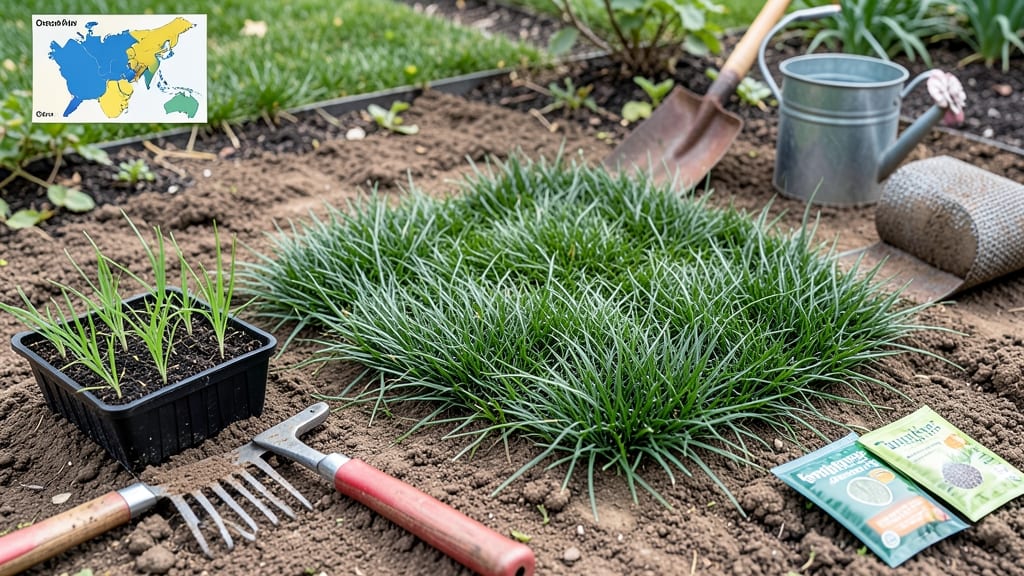
The best time to plant grass seed in Oregon is early fall or early spring, when soil temperatures hover between 50–65°F—a window that avoids both summer drought and winter frost.
Oregon’s unpredictable weather can make or break your lawn—plant grass seed at the wrong time, and you’ll face patchy growth, weeds, or wasted effort. Timing is everything, especially in Oregon’s distinct microclimates where cool-season grasses thrive.
Coastal areas like 8b–9a zones get a longer window (September–October or March–April), while inland regions like the Willamette Valley (7b–8a) must act faster before frost arrives. Eastern Oregon’s 5b–7a zones play by even stricter rules.
Below, I break down the exact deadlines by zone, soil prep secrets, and the 3 biggest mistakes Oregon gardeners make—so you can skip the guesswork and get a lush lawn the first time.
Oregon’s ideal grass-seeding windows: cool-season planting deadlines by Zone
Oregon’s cool-season climate creates perfect conditions for Kentucky Bluegrass, fine fescue, and tall fescue, but timing your grass seed planting is critical. The best windows are early fall (September–October) and late summer (August), when soil stays 50–65°F and rainfall is reliable.
Missing these windows? You risk patchy germination or winter kill.
Western Oregon’s coastal zones (8b–9a) have milder winters, while eastern Oregon (5b–7a) faces earlier frosts. I’ll break down the optimal planting deadlines by zone, including soil temperature thresholds and regional adjustments to avoid common mistakes.
| USDA Zone | Primary Planting Window | Soil Temp Threshold (°F) | Key Deadline | Regional Notes |
|---|---|---|---|---|
| 6 (Eastern OR) | Late August–September 15 | 50–60°F | October 1 (frost risk) | High desert areas; water deeply post-planting. |
| 7a (Willamette Valley) | September 1–October 15 | 55–65°F | October 31 (first frost) | Moderate rainfall; test soil pH (6.0–7.0 ideal). |
| 7b–8a (Coastal) | September 15–October 30 | 58–62°F | November 15 (mild frost) | Higher humidity; aerate compacted soil. |
| 8b–9a (Southwest OR) | October 1–November 15 | 60–65°F | December 1 (minimal frost) | Warmest zone; use shade-tolerant blends. |
For Zone 6 (eastern Oregon), aim to plant by September 15—any later and early frosts can stunt germination. The soil temperature must stay above 50°F for 10+ days post-planting. Use a soil thermometer to monitor; if temps drop below 45°F, cover seeds with straw mulch.
In Zone 7a (Willamette Valley), my go-to window is September 1–October 15, when daytime highs average 65–75°F and nighttime lows stay above 45°F. This zone benefits from consistent rainfall, but I still recommend drip irrigation for the first 30 days to ensure even moisture.
Coastal Zones 7b–8a extend your window to October 30 thanks to milder winters. However, humidity levels rise in late fall, increasing fungal risks. Choose disease-resistant fescue blends and avoid evening watering.
In Zone 9a (southwest Oregon), you can even plant into November, but prioritize shade-tolerant varieties if your lawn gets afternoon sun.
Pro tip: Late summer (August) is a secondary window for Zone 6–7a. Plant by August 15 to give seeds 6–8 weeks to establish before winter. Water twice daily (morning + evening) until germination occurs, then taper to deep weekly watering.
Regional adjustments matter! Eastern Oregon’s high desert (e.g., Bend) needs extra water due to low humidity, while coastal areas (e.g., Astoria) may require soil amendments to improve drainage. Always test your soil 2–4 weeks before planting to adjust pH (6.0–7.0) and organic matter.
Missed the fall window? Don’t panic—early spring (March–April) is your second chance, but act fast. Soil temps must reach 50°F consistently, and you’ll need to water aggressively to combat spring drought.
In Zone 9a, spring planting is riskier due to heat stress; opt for shade-loving microclover mixes instead.
Remember: Cool-season grasses like Kentucky Bluegrass grow best when daytime temps are 60–75°F and nighttime temps stay above 40°F. Use a frost calendar for your area (check
How to prepare Oregon soil for grass seed: pre-planting checklist by month
Oregon’s cool, wet climate demands precise soil prep before seeding—especially in September (primary window) or March (secondary window). Skipping these steps means poor germination, weeds, or a lawn that struggles to compete with Oregon’s native plants.
The key? Balanced pH, loose soil, and weed-free beds—all tailored to your microclimate.
For Western Oregon (coastal/Willamette Valley), focus on drainage fixes (clay-heavy soils) and organic matter to retain moisture. Inland areas (eastern Oregon) need extra compost to combat sandy soils and pre-emergent herbicides to outsmart crabgrass. Let’s break it down by month with actionable steps.
🌱 Step-by-Step Soil Prep for Oregon Grass Seed
- 📅 September (Primary Window)
- Test soil pH (aim for 6.0–7.0; use lime to raise or sulfur to lower).
- Remove weeds with glyphosate (2 weeks before seeding) or hand-pull.
- Loosen top 4" of soil with a rototiller or broadfork.
- Spread 2" of compost or aged manure; rake evenly.
- Level the area and set up drip irrigation for consistent moisture.
- 📅 March (Secondary Window)
- Apply pre-emergent herbicide (like corn gluten) to block weeds.
- Add sand to clay soils (mix 1 part sand to 3 parts soil).
- Top-dress with starter fertilizer (high phosphorus for root growth).
- Install temporary sprinklers if rain is unreliable (Oregon’s March showers aren’t always enough).
- Cover bare spots with straw mulch to protect seeds from wind.
- ⚠️ All Months
- Avoid tilling when wet—Oregon’s clay soils become rock-hard when dry.
- Seed after rain (or water 2x daily for 10 mins each).
- Use a seed-to-soil ratio of 1 lb per 100 sqft for cool-season blends.
Pro tip: Western Oregon gardeners should prioritize drainage tests—puddles after rain mean your grass seed will rot before sprouting. Dig a 6" hole, fill with water, and time how long it drains.
If it takes more than 4 hours, amend with gypsum or perlite. Inland areas, focus on moisture retention—add peat moss to sandy soils to hold water longer.
Once your soil is prepped, seed in the coolest part of the day (late afternoon) to reduce seed desiccation from Oregon’s dry summer winds. Lightly rake seeds into the top ¼" of soil, then water gently to avoid washing them away.
Within 7–14 days, you’ll see tiny green blades—proof your prep paid off.
Remember: Oregon’s microclimates change everything. Coastal areas can seed 2 weeks later than inland zones, and high-desert regions may need extra irrigation due to lower humidity. Adjust your timeline based on your last frost date (check Oregon State University’s frost maps for your zone).
With these steps, your grass seed will germinate faster, outcompete weeds, and establish a dense root system before Oregon’s winter rains or summer drought hit. Now grab your gloves and compost—your dream lawn starts here! 🌱