
Plants
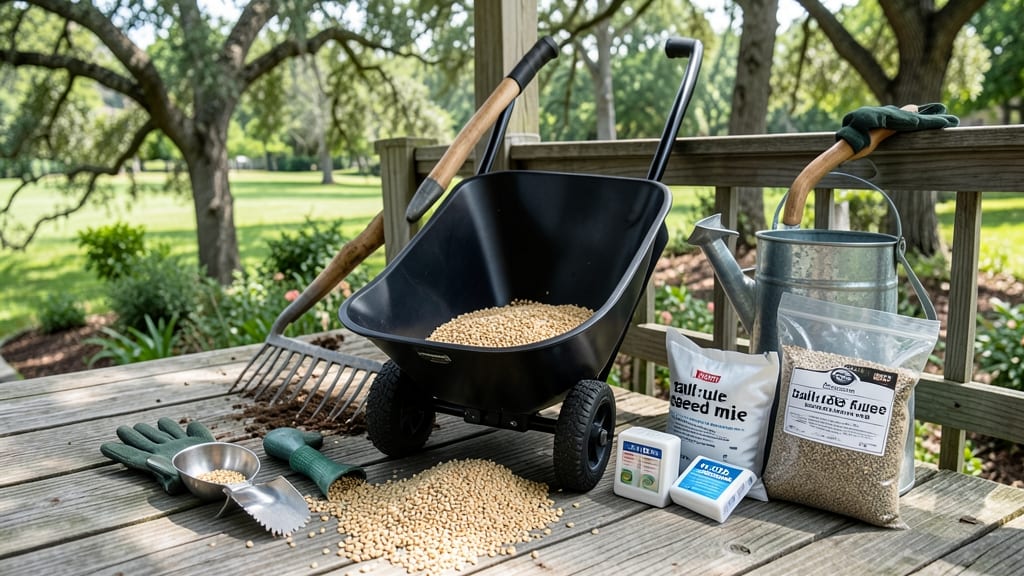
The best time to plant grass seed in South Carolina is early spring or late summer—when temperatures are mild and rainfall is reliable for strong germination.
If you’ve ever stared at a patchy lawn wondering why your seed just didn’t take, you’re not alone. The difference between a thick, green carpet and a weed-infested mess often comes down to timing—and South Carolina’s humid summers and unpredictable springs make it tricky.
Whether you’re in the coastal humidity of Charleston or the drier Piedmont, the ideal window shifts slightly by zone. Early fall (August–September) is the safest bet for most grasses, while spring planting (March–April) works if you act fast before the heat sets in.
Below, I’ll break down the exact months for your region, soil prep secrets, and the three mistakes that kill grass seed before it even sprouts—so you can finally get that lush lawn you’ve been dreaming of.
South Carolina’s ideal grass planting windows by Zone (coastal vs. Piedmont vs. upstate)
South Carolina’s diverse climate—from humid coastal areas to drier upstate regions—means your grass planting timeline depends heavily on where you live. The best time to plant grass seed in USDA Zones 7b-8a falls into two primary windows: early spring (March-April) and late summer/early fall (August-September).
These periods offer cooler temperatures, consistent rainfall, and lower weed competition, giving your new grass the best chance to establish roots before extreme heat or cold sets in.
For coastal South Carolina (Zone 8a), like Charleston or Hilton Head, the humid subtropical climate means you’ll want to avoid planting during the peak summer heat (June-July). Instead, focus on September planting when temperatures dip slightly, and spring planting in March after the last frost date.
In contrast, the Piedmont region (Zone 7b-8a), including Columbia and Greenville, benefits from August planting to capitalize on summer rains before fall cools down.
The Upstate (Zone 7b), such as Greer or Spartanburg, has cooler nights and slightly earlier frost dates. Here, April planting is ideal for spring, while late August to early September works best for fall.
Each region’s microclimate affects soil moisture, humidity, and weed pressure, so adjusting your planting schedule accordingly is key to avoiding patchy lawns or failed germination.
Grass type also plays a role in timing. Bermuda grass, common in coastal areas, thrives when planted in late spring (May) or early summer (June), while tall fescue and centipede grass prefer fall planting (August-September). Zoysia grass, another popular choice, does best with spring or early summer planting to establish before winter dormancy.
Here’s a quick reference for your region’s optimal planting windows, including soil prep tips and post-planting care:
| Region | USDA Zone | Best Planting Months | Grass Types | Key Considerations |
|---|---|---|---|---|
| Coastal (Charleston, Hilton Head) | 8a | March-April, September | Bermuda, Zoysia, Centipede | High humidity; avoid summer planting |
| Piedmont (Columbia, Greenville) | 7b-8a | April, August-September | Tall Fescue, Bermuda, Zoysia | Moderate rainfall; aerate clay soils |
| Upstate (Greer, Spartanburg) | 7b | April, August-September | Tall Fescue, Fine Fescue | Cooler nights; test soil pH |
If you’re planting in spring (March-April), aim to finish by mid-April to avoid summer heat stress. For fall planting (August-September), prioritize early September to allow 4-6 weeks of root growth before the first frost.
In coastal areas, September planting is especially critical, as hurricane season can disrupt germination if seeded too late.
For Bermuda grass, which is drought-tolerant but heat-loving, late spring planting (May) is ideal. This gives the grass time to establish before summer dormancy sets in.
Meanwhile, tall fescue, a cool-season grass, benefits from fall planting to take advantage of cooler temperatures and consistent rainfall, reducing the need for frequent watering.
One common mistake is planting too late in summer (July-August), especially in Zone 8a, where high temperatures and low humidity can cause seed to dry out before germination.
Similarly, planting too early in spring (February) risks frost damage or weed competition as temperatures rise. Always check your local frost dates and adjust accordingly.
To maximize success, prepare your soil 2-4 weeks before planting. This includes aerating compacted soil, removing weeds, and testing pH (6.0-7.0).
After seeding, lightly rake the soil to ensure seed-to-soil contact and water daily for the first 2-3 weeks to keep the top 1/2 inch of soil moist. Avoid heavy foot traffic
How to prepare your lawn for seed planting (soil, weather, and pre-seeding steps)
Preparing your lawn for seed planting in South Carolina isn’t just about throwing seeds on the ground and hoping for the best. The right soil conditions, weather timing, and pre-seeding prep can make the difference between a lush lawn and a patchy disappointment.
Start by testing your soil pH—most grasses thrive in a range of 6.0 to 7.0. If your soil is too acidic or alkaline, you’ll need to amend it with lime or sulfur before planting.
Next, clear your lawn of weeds and debris. Even small weeds can compete with your new grass seedlings for water and nutrients. Use a broadleaf herbicide if needed, but avoid planting for at least 2-3 weeks afterward to let the chemical break down.
Rake the area gently to create a smooth, seed-friendly surface. This step is critical for ensuring good seed-to-soil contact, which is essential for germination.
Step-by-Step Pre-Seeding Checklist
- Test Soil pH: Aim for 6.0-7.0. Use a soil test kit or send a sample to your local Cooperative Extension Service for precise results.
- Remove Weeds & Debris: Pull weeds by hand or use a pre-emergent herbicide 2-3 weeks before planting.
- Aerate Compacted Soil: Rent a core aerator to create 1/2-inch holes every 2-3 inches. This improves water and nutrient absorption.
- Loosen Topsoil: Use a rake or tiller to break up the top 2-3 inches of soil for better seed contact.
- Choose the Right Seed: Select a blend suited to your USDA Zone (7b-8a), like Tall Fescue for shade or Bermuda for heat tolerance.
- Apply Starter Fertilizer: Use a high-nitrogen fertilizer (like 30-0-4) to give seedlings a growth boost.
- Water Lightly Before Planting: Moisten the soil to help seeds make immediate contact and stay in place.
Don’t skip aerating your lawn, especially if you’ve had heavy foot traffic or clay soil. Compacted soil prevents seeds from making proper contact with the earth, leading to poor germination.
Use a core aerator to pull small plugs of soil from your lawn, then leave them on the surface—they’ll break down naturally and add nutrients. This step is particularly important in South Carolina’s humid climate, where soil compaction is common.
Once your soil is prepped, choose a seed blend tailored to your region. Coastal areas benefit from salt-tolerant grasses like Centipede, while inland zones thrive with Tall Fescue or Zoysia.
Avoid cheap seed mixes—they often contain fillers that won’t grow well in South Carolina’s climate. Instead, invest in a high-quality, region-specific blend for the best results.
Finally, apply a light layer of starter fertilizer before planting. This gives your new grass seedlings the nutrients they need to establish strong roots quickly. Water the area lightly after fertilizing to help the granules settle into the soil.
Remember, the first 2 weeks after planting are critical—keep the soil consistently moist (but not soggy) to encourage germination.
With these steps, you’ll create the perfect foundation for your new lawn. The key is patience and preparation—your hard work will pay off with a thick, green lawn that outcompetes weeds naturally. Happy planting! 🌱