
Plants
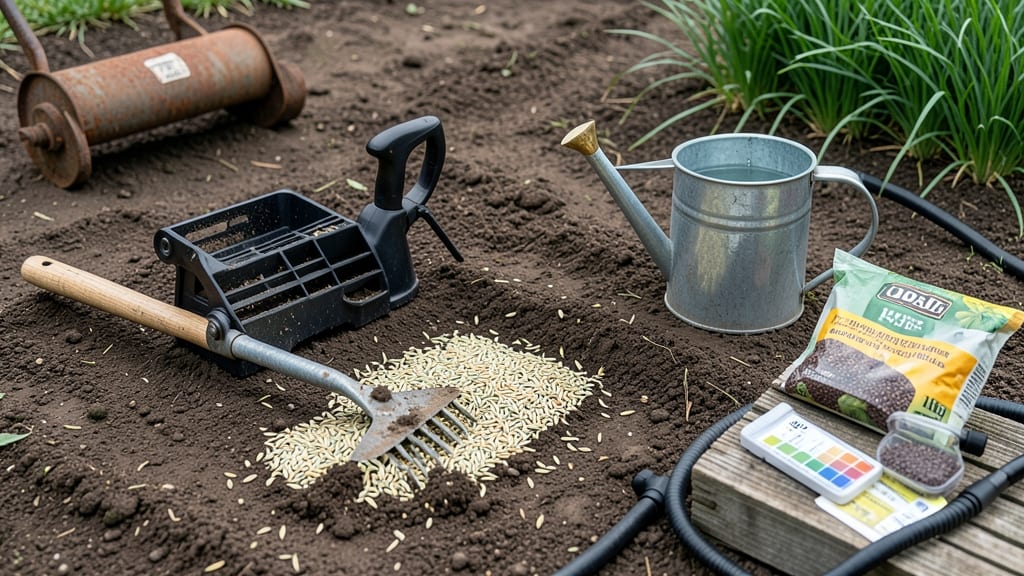
The best time to plant grass seed in the fall is 4-6 weeks before your first frost—a window that lets those roots establish deep before winter sets in 🌱.
Picture this: you’ve spent hours raking, amending the soil, and scattering seed, only to watch it freeze before it even sprouts. That’s what happens when you plant too late—or too early, when summer’s heat stresses the seedlings.
The key is that cool-weather window where temperatures hover between 60°F and 75°F, giving grass the perfect balance of warmth and moisture to take hold.
For most of the U.S., that means late August through mid-October, but your exact timing depends on your zone. In USDA Zone 6a, like my backyard, that’s September to early October—just in time for those roots to thicken before the ground freezes.
Skip the guesswork and you’ll avoid the two biggest mistakes: planting when weeds still dominate or waiting until the soil’s too cold for germination.
Below, I’ll break down the exact window for your region, how to prep your soil for maximum success, and the 3 signs your grass is struggling before it’s too late. No more patchy lawns—just thick, green coverage come spring.
Optimal fall planting window for grass seed by region and climate
Timing your grass seed planting in fall is all about beating the frost while giving seedlings time to establish strong roots. In the Northern U.S. (USDA Zones 3-6), aim for 4-6 weeks before first frost—typically late August to early October.
Meanwhile, Southern regions (Zones 7-10) have a longer window, often stretching from September through November. The key is cooler air and warm soil, which reduce stress and weeds while promoting germination.
Cool-season grasses like Kentucky bluegrass, tall fescue, and ryegrass thrive when daytime temps hover between 60°F and 75°F, with nighttime lows above 45°F. Planting too early (like July) risks drought stress, while waiting too late (November) may leave seedlings vulnerable to early frosts.
The ideal soil temperature for germination is 55°F to 65°F, so check local forecasts and soil thermometers to fine-tune your schedule.
| Region | USDA Zones | Best Planting Months | First Frost Date | Soil Temp Goal |
|---|---|---|---|---|
| Northern U.S. | 3-6 | Late August–Early October | Mid-October to November | 55°F–65°F |
| Midwest | 4-7 | September–Mid-October | Late October–Early November | 60°F–70°F |
| Southern U.S. | 7-10 | September–November | Late November–January | 65°F–75°F |
| Pacific Northwest | 6-9 | August–October | Late October–December | 50°F–60°F |
In the Pacific Northwest and Northern Rockies, where summers are dry and winters harsh, focus on late August through September to capitalize on residual summer warmth. For example, Seattle (Zone 8) typically sees its first frost in early November, so aim for planting by mid-October.
Meanwhile, Desert Southwest regions like Arizona can plant as late as November due to milder winters, but ensure soil stays above 55°F.
Microclimates matter too! If you live in a valley or near a large body of water, frost dates may arrive 1-2 weeks later than official averages. Use a frost calendar from your local Cooperative Extension Service or plant a test patch 2 weeks early to gauge success.
Pro tip: Ryegrass germinates fastest in cool soil, making it ideal for late-September plantings in colder zones.
Watch for soil moisture—fall rains can delay planting if the ground stays soggy. In drought-prone areas, prioritize irrigation to keep soil consistently moist for 2-3 weeks post-planting.
Overwatering can suffocate seeds, though, so aim for 1/2 inch of water weekly (or daily light watering in hot spells). A soil moisture meter helps avoid guesswork.
For warm-season grasses like Bermuda or Zoysia, fall isn’t ideal—plant these in late spring instead. But cool-season blends like fine fescue or Kentucky bluegrass thrive when sown in fall.
These grasses enter dormancy by winter but emerge vibrant and thick the following spring. The secret? Root growth continues even when tops slow down in cooler temps.
Don’t forget to mow higher (3-4 inches) after planting to shade soil and retain moisture. Avoid heavy foot traffic on new seedlings—even pets can compact soil and stunt growth.
If weeds pop up, hand-pull them before they compete for resources. A light mulch (like straw) can also help retain moisture and regulate soil temps.
By aligning your planting with local frost dates and soil conditions, you’ll give grass seedlings the best shot at deep root establishment before winter. The result?
A denser, greener lawn that outcompetes weeds naturally. Start with a small test area if unsure—this lets you adjust timing without risking your entire yard.
Fall planting isn’t just about timing;
How to prepare soil and seed for fall planting success
Fall planting gives grass seed the perfect head start—cooler air and warmer soil create ideal conditions for germination. But before you scatter that seed, your soil needs a serious upgrade. I’ve learned the hard way that skipping prep leads to patchy growth and wasted seed.
The secret? A 4-step process that balances nutrients, pH, and structure to give those seedlings the best chance to thrive before winter.
Start with a soil test kit (available at garden centers for under $20). Most grass varieties prefer a pH between 6.0 and 7.0. If your test shows lower numbers, add pelletized lime 4-6 weeks before planting—it takes time to adjust.
For acidic soil, sulfur can help lower pH, but apply it 3 months ahead to avoid burning seedlings. My USDA Zone 6a soil tested at 5.8 last year, so I added lime in early August and saw a 1.2 pH jump by planting time.
⚠️ callout-warning ⚠️ ⚠️ DON’T PLANT TOO LATE! The critical window for fall grass planting is 4-6 weeks before your first frost. In Zone 6a, that’s mid-September to early October. Planting after October 15 risks frost damage before roots establish.
Check your local frost dates—delaying even a week can mean 50% less germination. Pro tip: Use a soil thermometer—ideal temps are 50°F to 70°F at a 4-inch depth. 🌱
Next, aerate your lawn to break up compacted soil. Rent a core aerator (or hire a service for large areas) to pull out plugs of soil about 2-3 inches deep. This lets roots penetrate deeper and improves water absorption.
After aerating, spread a 1/4-inch layer of compost over the entire area. Work it into the top 2 inches with a rake—this adds organic matter and beneficial microbes that boost seedling health. I mix in well-rotted manure for extra nitrogen, but avoid fresh manure, which can burn tender roots.
Choose the right grass seed blend for your climate. Cool-season grasses like tall fescue or Kentucky bluegrass thrive in fall, while warm-season types (like Bermuda) should wait for spring. For my partial-shade yard, I opt for fine fescue, which tolerates lower light.
Mix seeds with sand (1 part seed to 10 parts sand) to spread evenly—this prevents clumping and ensures consistent coverage. Lightly rake the area to create 1/4-inch furrows where seeds can nestle.
Before planting, apply a starter fertilizer with high phosphorus (look for a 10-20-10 or 5-10-5 ratio). Phosphorus promotes root growth, which is critical for fall planting. Spread it evenly with a broadcast spreader, then water deeply to activate the nutrients.
Avoid heavy nitrogen fertilizers at this stage—they encourage top growth, not roots. After seeding, cover the area with straw mulch (not hay, which contains weed seeds). A 1/4-inch layer protects seeds from drying out and insulates them from temperature swings.
Finally, water wisely. Keep the soil consistently moist (not soggy) for the first 2-3 weeks. Use a gentle sprinkler or soaker hose to deliver 1/2 inch of water daily, focusing on the newly seeded areas.
Once seedlings reach 2-3 inches tall, reduce watering to 2-3 times per week. Morning watering prevents fungal diseases, and avoiding evening sessions lets the grass dry before nightfall.
With this prep, your grass will outcompete weeds and establish a dense root system before winter—no more patchy lawns in spring!