
Companion Plants
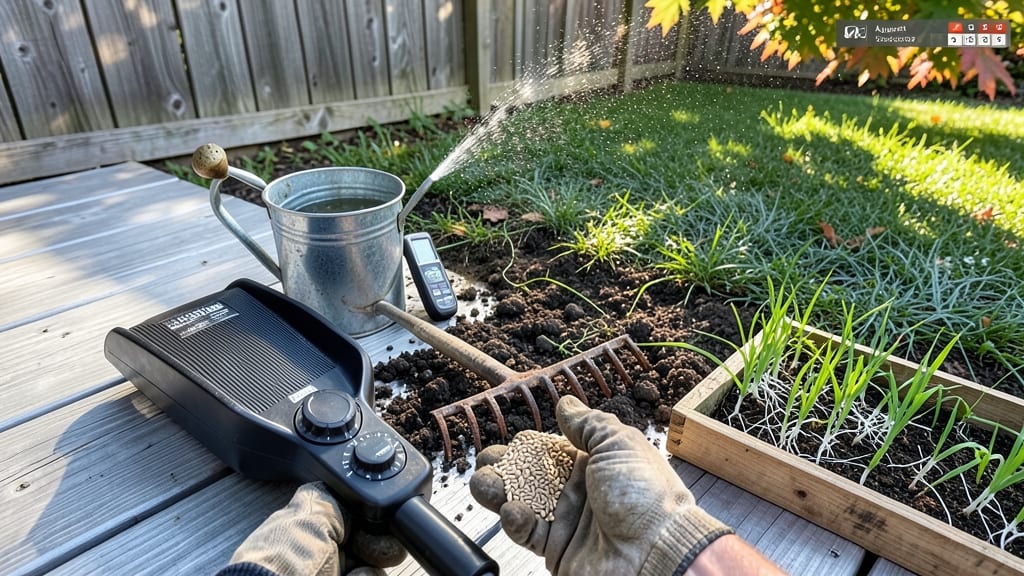
Planting grass seed in Michigan at the right time means the difference between a lush lawn and months of patchy, weed-infested soil.
Timing your grass seed planting in Michigan can mean the difference between a lush, green lawn and months of bare soil—get it wrong, and you’ll battle weeds or weak growth. The key? Knowing your last expected spring frost date and how to work with Michigan’s unpredictable climate.
In USDA zones 5b-6b, the ideal window stretches from early spring to early fall, but the exact timing depends on whether you’re in northern or southern Michigan. Too early, and frost will kill seedlings; too late, and summer heat can stress young grass.
Below, I’ll break down the best frost-free windows by region, the soil temperature thresholds you need to hit, and how to adjust for early or late springs. You’ll also discover the top grass varieties that thrive in Michigan’s climate—and when to plant each for maximum success.
Michigan’s frost-free zones: best grass seed planting dates by region
Michigan’s diverse climate means your grass seed planting window depends heavily on your region. The Upper Peninsula, Northern Lower Peninsula, and Southern Michigan all experience different last frost dates, which directly impact when you should plant.
For best results, aim to plant when soil temperatures consistently reach 55°F or higher—this ensures strong germination and root establishment before summer heat arrives.
Cool-season grasses like Kentucky Bluegrass and Tall Fescue thrive when planted in early spring (March–April) or early fall (September–October). These windows allow seedlings to establish roots before extreme summer heat or winter dormancy.
Warm-season grasses like Bermuda Grass (less common in Michigan) prefer late spring planting, but most homeowners stick with cool-season varieties for our climate.
Here’s how Michigan’s three main regions break down for optimal planting:
| Region | Average Last Frost Date | Ideal Planting Window | Soil Temp Threshold | Key Consideration |
|---|---|---|---|---|
| Upper Peninsula | May 1–15 | Late April–early June | 55°F+ (soil) | Shorter growing season; prioritize early spring planting. |
| Northern Lower Peninsula | April 15–May 1 | Early April–mid-May | 50–55°F (soil) | Unpredictable late frosts; use row covers for early plantings. |
| Southern Michigan | April 1–15 | Mid-March–early May | 50°F+ (soil) | Longer frost-free season; fall planting is equally viable. |
For the Upper Peninsula, where frost lingers until early May, focus on planting cool-season grasses in late April. This gives seedlings enough time to establish before summer’s shorter daylight hours.
If you miss this window, consider fall planting in September—just ensure the ground isn’t frozen by October’s first frost.
In the Northern Lower Peninsula, your window opens slightly earlier, with early April plantings often successful if you monitor weather forecasts. However, late frosts are common here, so have frost cloths ready to protect young grass.
Southern Michigan gardeners enjoy the most flexibility, with March plantings possible in warmer microclimates near lakes or urban areas.
One critical rule applies statewide: avoid planting when daytime highs exceed 85°F. Grass seed struggles to germinate in extreme heat, and newly sprouted seedlings can scorch. If summer arrives early, opt for fall planting instead—September and early October offer ideal conditions with cooler soil and consistent rainfall.
Pro tip: Use a soil thermometer to confirm temperatures before planting. Grass seed needs consistent warmth to sprout, and surface temps can mislead you. Aim for 55°F at 2 inches deep for reliable germination across all Michigan regions.
Don’t overlook overseeding existing lawns in early fall. This strategy fills thin spots and strengthens your lawn before winter. For new lawns, late summer (August) can work if you’re planting warm-season grasses, but most Michigan homeowners stick with cool-season varieties for year-round resilience.
Finally, remember that Michigan’s microclimates vary dramatically. A yard near a large lake may experience 2–3 weeks earlier frost-free conditions than one inland. Pay attention to local trends and adjust your planting timeline accordingly.
With the right timing, you’ll enjoy a thick, green lawn that outcompetes weeds and handles Michigan’s unpredictable weather.
🌱
How to adjust planting for early vs. late springs in Michigan
Michigan’s unpredictable spring weather can throw off even the best-laid gardening plans. If you’ve ever planted grass seed only to watch frost nip tender seedlings, you know the frustration.
The trick is adjusting your planting timeline based on whether your spring arrives early or late—and knowing how to protect young grass when conditions turn chilly.
Cool-season grasses like Kentucky Bluegrass and Fescue thrive when planted in early spring (March–April) or fall (September–October). Warm-season grasses like Bermuda prefer late spring (after May 15), but Michigan’s climate rarely cooperates with such strict deadlines. That’s where flexibility comes in.
Here’s how to extend your planting window and safeguard your lawn investment, no matter what Mother Nature throws your way.
⚠️ Warning: Premature Frost Risk
If your spring arrives late (after April 30), wait until soil temperatures hit 55°F+—use a soil thermometer to check. For early springs (before April 1), cover seedlings with lightweight row fabric to shield them from 28°F+ frosts. Never plant before the last expected frost date—even cool-season grasses won’t survive sub-32°F temps.
💡 Pro Tip: Test soil moisture before planting—dry soil can delay germination even if temperatures are ideal.
For early springs, start cool-season grass seed in March if daytime highs stay above 40°F. Use row covers or frost blankets to protect seedlings until nighttime lows stabilize above 35°F. In late springs, shift to fall planting (September) for a head start—grass establishes roots before winter dormancy.
Warm-season grasses like Zoysia or Bermuda need consistent warmth (soil temps above 65°F) to germinate. If your spring drags into June, opt for fast-germinating varieties like Annual Ryegrass, which tolerates cooler soils and shades out weeds while you wait for ideal conditions.
Watch for warning signs like yellowing leaves or stunted growth—these signal stress from temperature swings or poor soil contact. Adjust watering to morning sessions (1 inch weekly) and avoid compacting soil with foot traffic. Mulch lightly with straw to retain moisture and moderate soil temps.
With these adjustments, you can extend Michigan’s planting window by up to 6 weeks in either direction—giving your lawn the best shot at thriving, no matter when spring finally decides to arrive. 🌱