
Planting
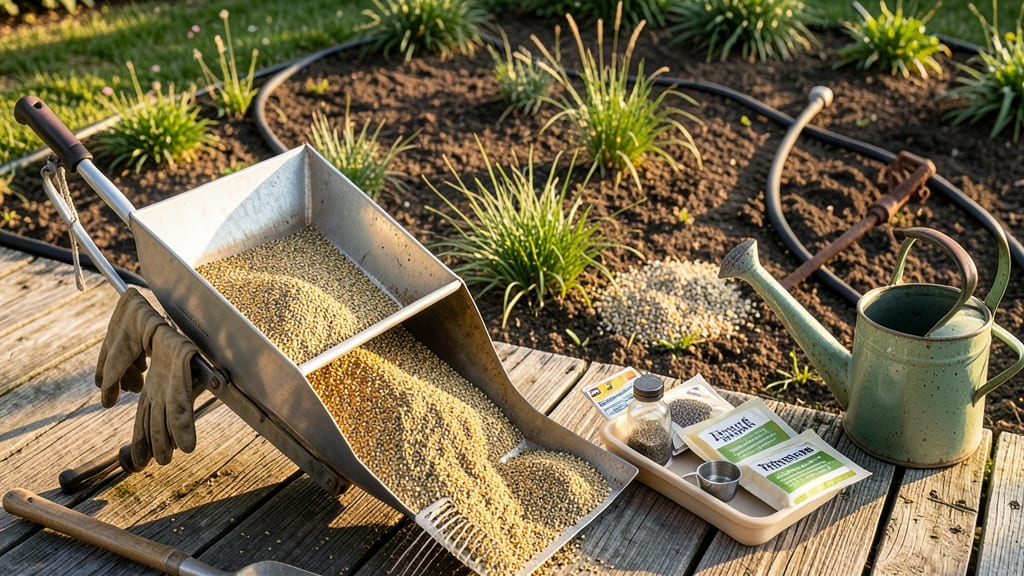
Planting grass seed in North Carolina at the right time ensures a thick, vibrant lawn that thrives through the state’s shifting seasons—so timing is everything, especially with cool-season and warm-season grasses.
Picture this: you’ve spent hours preparing your soil, choosing the perfect seed blend, and even adjusting for your zone. But if you plant too early, frost zaps your progress; too late, and summer heat burns out your seedlings before they take hold.
North Carolina’s climate varies wildly from the Piedmont’s cooler springs to the Coastal Plain’s humid summers, which means early fall (September–October) and late spring (April–May) are your golden windows for cool-season grasses like tall fescue.
Warm-season varieties like Bermuda grass, meanwhile, need the heat of late spring to early summer—think May through June.
Below, I break down the exact frost-free windows by zone, soil prep secrets for NC’s humid climate, and how to avoid the three mistakes that kill lawns before they even start.
North Carolina grass planting zones & frost-free windows by month
North Carolina spans USDA hardiness zones 6a through 8a, creating distinct planting windows for cool-season and warm-season grasses. The Mountains (6a-7a) have shorter frost-free seasons, while the Coastal Plain (8a) enjoys longer growing periods.
Understanding your zone helps you avoid late spring frosts or summer heat stress—both deadly for young grass seedlings.
Cool-season grasses like tall fescue and Kentucky bluegrass thrive when soil temps are 50-65°F, while warm-season varieties such as Bermuda and Zoysia need 65-75°F to germinate. Planting outside these windows risks poor germination or dormancy—so let’s break down the best months for each zone.
Pro Tip: Use the 8-week rule—plant grass seed 8 weeks before your first expected frost for cool-season types, or 4-6 weeks after the last frost for warm-season varieties. This ensures strong root establishment before extreme weather hits.
In Zone 6a (e.g., Asheville), your cool-season window closes earlier—by mid-September—so prioritize late August planting. Meanwhile, Zone 8a (e.g., Wilmington) offers a 3-month window for cool-season grasses, extending into mid-November.
Warm-season grasses in southern zones can even handle July plantings, but avoid peak summer heat (July–August) in northern zones.
Soil temperature is critical. Use a soil thermometer ($10 at garden centers) to confirm readiness. Cool-season grasses need 50–65°F for 7+ days before planting, while warm-season types require 65–75°F.
In Zone 7a, for example, soil may hit 60°F by April 15, but wait until May 1 to plant Bermuda—earlier sowing risks fungal diseases from lingering moisture.
Microclimates matter too. Shaded areas (e.g., under trees) stay cooler, delaying warm-season planting by 2–4 weeks. Test a spot with direct sun exposure to gauge local conditions.
If your yard has patchy shade, opt for shade-tolerant tall fescue varieties like ‘Shadow’ or ‘Cerritos’, which germinate well in 55–60°F soil.
How to prepare your lawn for grass seed planting in NC
North Carolina’s humid subtropical climate demands extra prep work before planting grass seed—especially when dealing with compacted soil and persistent weeds. Skipping soil testing or aeration can leave your seed exposed to poor germination or fungal diseases.
I’ve learned from years of trial and error that the key lies in three critical steps: testing your soil, controlling weeds, and creating the perfect seedbed. Let’s dive into how to do it right for your NC lawn.
First, grab a soil test kit (or send a sample to the NC Department of Agriculture) to check your lawn’s pH level and nutrient balance. Most NC grasses thrive in a pH range of 6.0–7.0.
If your soil tests acidic (below 6.0), you’ll need to add lime 2–3 months before planting. For alkaline soil (above 7.0), sulfur or peat moss can help lower the pH. This adjustment isn’t just about numbers—it’s about giving your grass seed the best chance to establish roots quickly.
Next, tackle weed control before planting. Use a non-residual herbicide (like corn gluten meal) to kill existing weeds without harming your new grass. For stubborn weeds like crabgrass, apply a pre-emergent herbicide in late winter to prevent germination.
Pro tip: Mow your lawn short (about 1–1.5 inches) a week before planting to expose weeds to sunlight and herbicide. Just don’t scalp it—you’ll damage the turf.
Step-by-Step Lawn Prep for NC Grass Seed
- 🌱 Test Soil: Use a kit to check pH (ideal: 6.0–7.0). Adjust with lime (for acidic soil) or sulfur (for alkaline soil) 2–3 months before planting.
- 🪴 Aerate Soil: Rent a core aerator to remove 3–4 inch plugs of soil. This loosens compacted soil and improves seed-to-soil contact in NC’s heavy clay areas.
- ✂️ Mow Low: Cut grass to 1–1.5 inches the week before planting to expose weeds and create a clean seedbed.
- 💧 Water Deeply: Soak the soil 2–3 days before planting to encourage seed contact with moist earth—critical for germination in NC’s dry spells.
- 🌿 Spread Seed: Use a broadcast spreader for even coverage. Lightly rake seeds into soil (¼ inch deep) to protect them from birds and wind.
- 🪣 Mulch Lightly: Apply a thin layer of straw (not wood chips) to retain moisture and shield seeds from harsh NC sun.
Once your soil is tested and weeds are controlled, it’s time to aerate and loosen the soil. Rent a core aerator to pull out 3–4 inch plugs of soil—this is especially important in NC’s clay-heavy soils, which compact easily.
Aeration improves drainage and seed contact, helping roots establish faster. After aerating, rake the area lightly to create a smooth, seed-friendly surface. For bare spots or new lawns, consider tilling the top 4–6 inches of soil to break up compaction and mix in compost.
With your soil prepped, focus on seedbed preparation. Use a broadcast spreader to evenly distribute grass seed—aim for about ½ pound per 100 square feet for most NC grasses. Lightly rake the seeds into the soil (¼ inch deep) to ensure good contact.
For slopes or windy areas, consider using a starter fertilizer with a 5-10-10 NPK ratio to give seedlings a nutrient boost. Water gently but thoroughly to settle the seeds into the soil without washing them away.
Finally, apply a thin layer of mulch (like straw) to retain moisture and protect seeds from birds and harsh NC sun. Avoid thick mulch—it can smother seeds or trap too much heat. Water lightly every day for the first 2 weeks, keeping the top inch of soil consistently moist.
Once seedlings reach 3–4 inches tall, you can gradually reduce watering to encourage deep root growth. With these steps, your NC lawn will be off to a strong start—no matter which zone you’re in.