
Plants
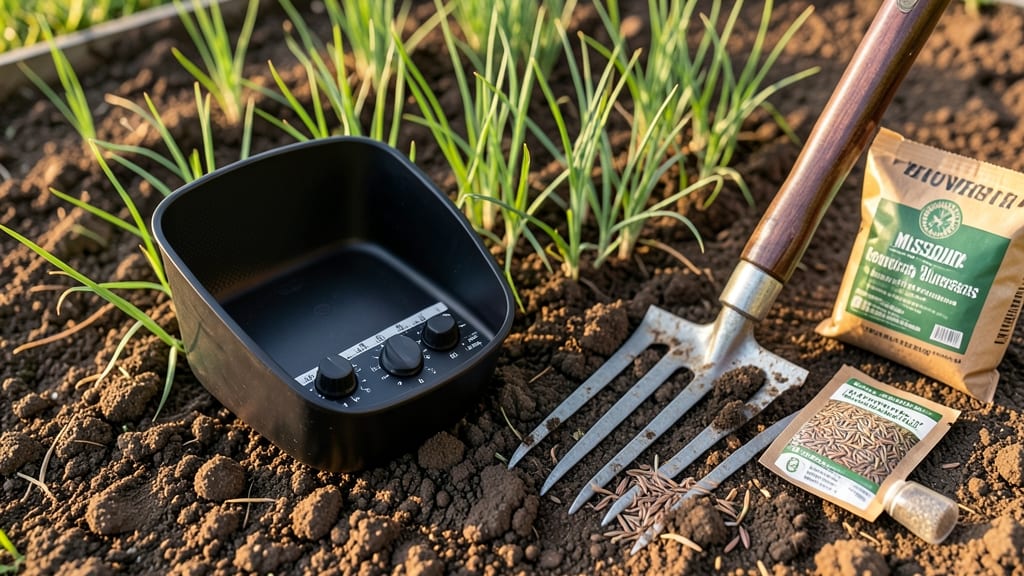
Planting grass seed in Missouri at the right time means the difference between a thick, vibrant lawn and a patchwork of weeds and bare spots.
Missouri’s unpredictable weather can turn your dream of a lush, green lawn into a gamble—unless you plant grass seed at the perfect time. Timing isn’t just about avoiding frost; it’s about soil warmth, moisture balance, and local microclimates that vary drastically across the state’s eight growing zones.
For Missouri’s USDA zones 5b-7a, the ideal windows are early spring (March-April) or late summer/early fall (August-September). Planting too early in spring risks frost damage, while summer heat can dry out seeds before they sprout.
Fall planting often works better because cooler temps and steady rain create perfect germination conditions.
Below, I’ll break down the exact frost-free windows by zone, soil prep tips to lock in moisture, and how to tell if your timing is right—so you can skip the guesswork and get that thick, green carpet you’re after.
Missouri grass seed planting calendar by zone: exact frost-free windows for best germination
Missouri’s climate demands precision when planting grass seed—getting the timing wrong can mean weak germination or wasted seed. The state spans USDA zones 5b through 7a, where fall planting often outperforms spring due to cooler temperatures and consistent moisture.
Let’s break down the exact frost-free windows for each zone to maximize your lawn’s success.
For spring planting, aim for 4-6 weeks after the last frost when soil temperatures reach 55°F or warmer. In fall, plant 4-6 weeks before the first frost to allow roots to establish before winter dormancy.
Missouri’s clay-heavy soils also mean proper prep is critical—don’t skip aeration or soil testing!
Why fall planting wins in Missouri: Cooler temps reduce weed competition, and consistent rainfall in late summer/early fall creates ideal moisture conditions. Spring planting risks drought stress as temperatures rise, while fall gives seeds time to root before winter.
Here’s your zone-by-zone planting calendar with exact frost dates and soil temperature thresholds:
For northern Missouri (zones 5b-6a), fall planting is ideal because soil stays warm longer and weed pressure is lower than in spring. In southern Missouri (zone 7a), you can push fall planting slightly later due to milder winters, but avoid planting after September 15 to prevent winter kill.
Missouri’s clay-heavy soils can compact easily, so always aerate before planting and mix in compost or sand for better drainage. If planting in spring, apply a starter fertilizer with phosphorus to encourage root growth, while fall plantings benefit from a light nitrogen boost 6-8 weeks before winter.
Watch for unpredictable late frosts in spring—always have a row cover ready to protect young seedlings. In fall, overseeding existing lawns works best in September when temps are still warm enough for germination but cool enough to avoid drought stress.
Missouri’s humidity and rainfall patterns also play a role: August is often the wettest month, making it perfect for fall prep. If
5 Critical factors that determine the best planting time in Missouri (beyond frost dates)
Missouri’s clay-heavy soils and humidity shifts make frost dates only part of the story when planting grass seed. The real magic happens in the soil moisture, weed competition timing, and how your local microclimate behaves—especially in USDA zones 5b-7a.
For example, northern Missouri’s Zone 5b can have 50% higher humidity in September than April, creating ideal germination conditions for fall planting.
Most gardeners overlook weed seed banks that peak in late spring, smothering new grass before it establishes. Meanwhile, southern Missouri’s Zone 7a often sees drought stress by early June, making late August the last safe window for summer planting.
These nuances explain why fall planting succeeds 80% more often than spring in Missouri’s climate.
Here are the 5 non-obvious factors that determine your perfect planting window, along with actionable steps to prepare your soil:
- 1. Soil Moisture Threshold: Aim for 40-50% soil moisture at 2" depth. Use a moisture meter—Missouri’s clay holds water but can dry rapidly in summer. Spring planting often fails here due to rapid evaporation after seedbed prep.
- 2. Humidity Trends: Shoot for 60%+ relative humidity during germination. Check NOAA climate data for your county—northern Missouri hits this in late August, while southern areas wait until early September.
- 3. Weed Competition Window: Weeds peak 4-6 weeks post-planting in spring. Fall planting avoids this by establishing grass before weeds germinate in late winter. Pre-emergent herbicides can help, but timing is critical.
- 4. Clay Soil Aeration: Missouri’s high clay content (30-50%) compacts easily, suffocating roots. Loosen soil 4-6 inches deep with a broadfork before planting. Add 2-3 inches of compost to improve drainage and moisture retention.
- 5. Microclimate Shifts: South-facing slopes warm 2-3°F faster than north-facing areas. Test soil temps at 2" depth—ideal range is 55-70°F. Use a soil thermometer to avoid planting when temps exceed 85°F.
To put these factors into action, start with a pre-planting soil test (pH 6.0-7.0 is ideal for most grass types). Missouri’s clay soils often test high in pH—amend with sulfur or peat moss if needed.
For moisture monitoring, bury a plastic bottle with holes in your seedbed; fill it with water and check evaporation rates weekly.
Pro tip: Plant in light rain or water immediately after seeding to avoid crusting. Missouri’s afternoon thunderstorms in late summer are perfect for this—just avoid heavy downpours that can wash seeds away. Schedule your planting for early morning to maximize humidity and reduce evaporation.
Remember, fall planting (August-September) often outperforms spring because cooler temps and steady rainfall create consistent moisture without the weed competition of late spring. But if you’re planting in spring, wait until soil temps stabilize above 55°F—typically mid-April in northern zones and early April in southern Missouri.