
Plants
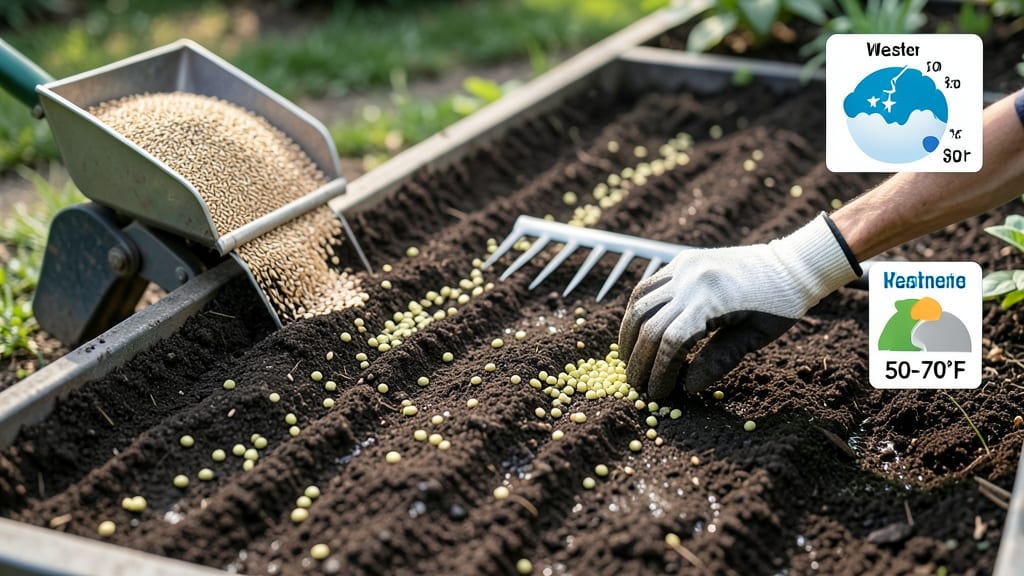
Plant grass seed in Missouri spring when soil temperatures hit 55°F and the last frost risk has passed — typically mid-April in most of the state, but earlier in southern zones like St. Louis.
Missouri’s unpredictable spring weather can turn a perfect lawn into a patchy disaster if you plant grass seed at the wrong time—so timing is everything.
Too early and a late frost will wipe out your seedlings. Too late and summer heat arrives before the grass takes root, leaving bare spots that weeds will claim. The 4-6 week window after your average last frost is your best shot at a thick, lush lawn.
Below, I’ll break down the exact soil temperatures to watch for, how to check frost risk in your specific Missouri zone, and the one mistake even experienced gardeners make when seeding in spring.
Best Missouri spring grass seed planting dates by soil temperature
Missouri’s spring planting window for grass seed hinges on two critical factors: soil temperature and frost risk. Most cool-season grasses—like tall fescue and Kentucky bluegrass—thrive when soil warms to 50°F or above, while warm-season grasses like Bermuda need 65°F+.
Planting too early risks frost damage, while waiting too long delays root establishment before summer heat arrives.
Your local microclimate matters: Southern Missouri (like St. Louis) can plant 2-3 weeks earlier than northern areas (like Kansas City or rural Northeast Missouri).
Below, I’ve mapped out the ideal planting dates by soil temperature and region, so you can avoid the #1 mistake Missouri gardeners make—planting when the ground is still cold.
Use this table as your planting guideline, but always verify with a soil thermometer (available for $10 at garden centers). Dig 2-3 inches deep where you’ll seed—this is where roots will first seek warmth.
If your soil is below 50°F, wait 1-2 weeks or use a black plastic mulch to warm it faster.
For cool-season grasses (the best choice for Missouri’s climate), aim to plant 4-6 weeks before summer heat sets in. In St. Louis, this means mid-April; in Kansas City, it’s early May.
Warm-season grasses like Bermuda can handle later planting (after May 15), but they’ll struggle if seeded too early and hit by frost.
Pro tip: Overseeding in early fall (September) is another smart move for Missouri lawns. Cool-season grasses grow best at 60-75°F soil temps, which aligns perfectly with September’s 65-70°F average. This avoids the spring frost gamble entirely.
Watch for localized frost pockets—low-lying areas or north-facing slopes can stay 10°F colder than the rest of your yard. If you’re in Zone 5b (northern MO), err on the side of planting later (early May) rather than risking a late-April freeze.
Use row covers if you must plant early in high-risk zones.
One critical sign you’ve waited too long? If your soil stays above 75°F for more than 2 weeks, germination slows dramatically. By June 1, switch to warm-season grasses or hold off until fall for cool-season types.
The 45-day rule applies: Your grass needs 45 frost-free days to establish before summer dormancy kicks in.
Finally, prep your soil 2 weeks before seeding. Aerate compacted areas, rake out debris, and add compost to improve warmth retention. A thin layer of straw mulch after planting protects seedlings from temperature swings and keeps moisture locked in—critical when daytime highs hit 80°F but nights dip to 40°F.
Missouri’s spring is a
How to check soil temperature and frost risk before planting grass seed
Before dropping a single seed into your Missouri lawn, you must verify two critical factors: soil temperature and frost risk. Grass seeds need consistent warmth (55°F+) to germinate, but a surprise frost can kill tender seedlings overnight.
I’ve planted grass for over 15 years in Missouri, and I can tell you—skipping these checks is the fastest way to waste money on seed.
Most gardeners focus only on air temperature, but soil temperature is what truly matters. Grass seeds won’t sprout until the ground reaches 55°F for cool-season grasses or 65°F for warm-season varieties.
Meanwhile, frost risk varies dramatically across Missouri’s zones—St. Louis might be safe by early April, while northern areas like St. Joseph could face late frosts into May.
One common mistake I see is gardeners waiting for perfect weather—but grass seed doesn’t need sunshine to germinate, just moisture and warmth. After planting, keep the soil consistently damp (not soggy) with daily watering until germination (usually 7–21 days).
A light mulch of straw can help retain moisture and protect seedlings from temperature swings.
If you’re in doubt, seed in early May—it’s the safest bet for Missouri’s variable spring. Just be prepared to water daily during dry spells, as summer heat can dry out young grass faster than you’d expect. The key is patience and preparation, not rushing the process.
Pro tip: Mark your planting date on a calendar and set reminders for weekly watering and fertilizer applications (use a starter fertilizer with high phosphorus to boost root growth). With these steps, you’ll avoid the heartbreak of frost-killed seedlings and enjoy a thick, green lawn by summer.