
Plants
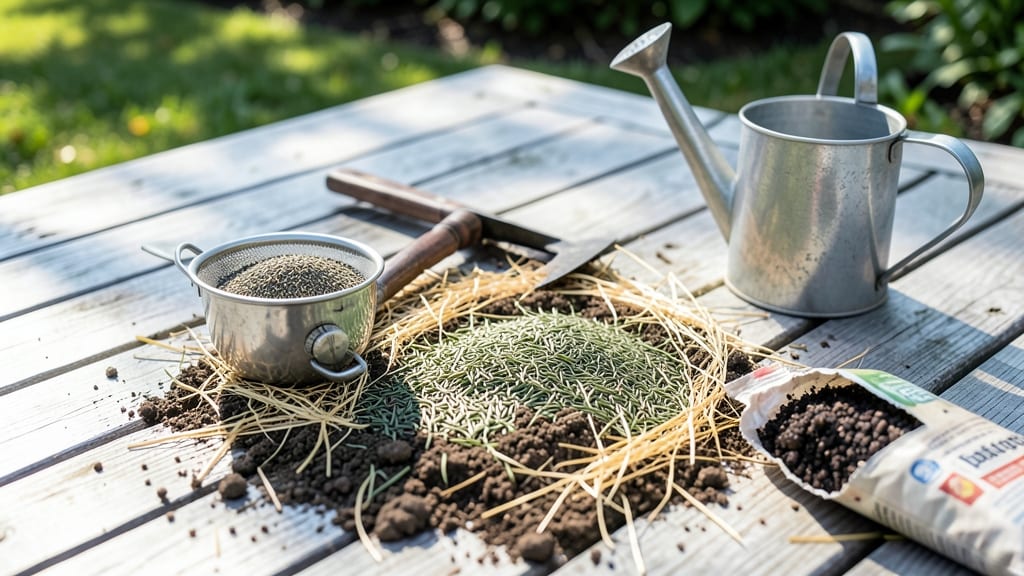
Planting grass seed in the fall ensures thick roots before frost 🌱 — but the exact timing depends on your USDA zone and local climate.
Fall is the perfect time to plant grass seed—but timing matters more than you think. Plant too early, and weeds will outcompete your seedlings; too late, and frost will stunt growth.
Here’s how to pinpoint the exact window for your USDA zone to ensure a thick, resilient lawn before winter sets in.
In Zone 6a, like much of the Midwest, aim for 4-6 weeks before your first frost—typically mid-September to early October. This gives seedlings time to establish roots while avoiding the heat of summer or the chill of winter.
Below, I’ll break down the ideal planting window by region, soil prep tips, and 5 critical factors that determine success—so you can skip the guesswork and get a lush lawn by spring.
USDA Zone-specific fall grass seed planting deadlines by region
Fall planting gives grass seed 4-6 weeks to establish roots before winter dormancy—critical for a thick lawn next spring. But the perfect window shifts dramatically from Zone 3 to Zone 10.
In colder climates, you’ll plant in late summer; in warmer zones, early fall is ideal to avoid summer heat stress.
Soil temperature is your #1 guide: aim for 60-75°F at 4 inches deep. This ensures seeds germinate quickly while weeds stay dormant. Below, I’ve mapped out zone-specific deadlines based on average frost dates and local climate patterns—so you can plant with confidence.
🌱
In Zones 3-4, where winters are harsh, focus on late August planting to beat early frosts. These northern regions benefit from cold-hardy varieties like Kentucky bluegrass or tall fescue, which tolerate sub-freezing temps once established.
For Zones 5-6 (Midwest and Northeast), the sweet spot is late August to mid-October. This aligns with 60-70°F soil temps and gives seedlings time to root before first frost.
Pro tip: Test soil temps with a soil thermometer—if it’s above 75°F, wait a week to avoid heat stress.
Southern zones (7-10) have more flexibility but face weed competition if planted too early. In Zone 7-8, aim for September to avoid summer heat; Zone 9-10 can plant until early December, but warm-season grasses like Bermuda or Zoysia are your best bet.
🌿
One common mistake? Planting based on calendar dates instead of soil temps. For example, Zone 6 might see 70°F soil in early September, but Zone 9 could still be 85°F—wait until temps drop to 75°F or below.
Use a soil thermometer or check local agricultural extension reports for real-time data.
If you’re in a transition zone (e.g., Zone 7b), err on the earlier side—late September is safer than October. The goal is to give grass 4-6 weeks of growth before dormancy, not full winter.
In Zone 10, where frost is rare, focus on cool nights (below 75°F) to trigger germination.
✂️
5 Critical factors that determine your perfect planting window
Planting grass seed in the fall isn’t just about picking a month—it’s about understanding your microclimate. The perfect window depends on soil temperature, frost risk, and even your grass seed variety.
Cool-season grasses like tall fescue or Kentucky bluegrass thrive when daytime temps hover between 60-75°F, while warm-season types like Bermuda grass need warmer soil to germinate.
In USDA Zones 5-7, aim for late August to mid-October—but this shifts 2-4 weeks earlier in warmer zones (8-10). The key is planting 4-6 weeks before your first frost to let roots establish before winter dormancy sets in.
For example, in Zone 6a, that’s typically mid-September to early October, but check your local frost date to adjust.
- Soil Temperature: Ideal range is 60-75°F (use a soil thermometer). Below 50°F, germination slows dramatically.
- Frost Risk: Plant 4-6 weeks before your average first frost. Check Almanac.com for local dates.
- Seed Type: Cool-season grasses (e.g., ryegrass) need cooler soil (50-65°F), while warm-season types (e.g., zoysia) prefer 70-80°F.
- Rainfall Patterns: Aim for 1 inch of rain weekly or supplement with daily watering (morning is best). Drought stress kills seedlings.
- Weed Competition: Plant when weeds are dormant or weak (late summer/early fall). Overlapping weeds steal nutrients.
Your local climate patterns play a huge role too. In humid Southern zones (8-10), plant earlier to avoid fungal diseases that thrive in warm, wet conditions.
Meanwhile, dry Western zones (4-7) benefit from late-summer planting to leverage fall rains. Always monitor 7-day forecasts—consistent moisture is critical for seed-to-sprout transition.
Don’t overlook seed variety. Cool-season grasses (like fescue) germinate faster in 50-65°F soil, while warm-season types (like Bermuda) need 70°F+. Mixing varieties can extend your planting window but requires adjusted soil prep.
For example, ryegrass seeds sprout in 5-10 days at ideal temps, while Kentucky bluegrass takes 14-21 days.
Before planting, run a readiness checklist: ☑️ Soil temp: 60-75°F (use a thermometer) ☑️ Frost-free window: 4-6 weeks remaining ☑️ Moisture: 1 inch weekly (natural or supplemented) ☑️ Weeds: Controlled or dormant ☑️ Seed type: Matches your climate (cool vs. warm-season) Skip this step, and you risk poor germination or winterkill.
Pro tip: Test your soil 2 weeks before planting. Aim for a pH of 6.0-7.0—most grass seeds struggle outside this range. Amend with lime (to raise pH) or sulfur (to lower pH) as needed. A well-prepped soil = faster, stronger roots before frost hits.