
Plants
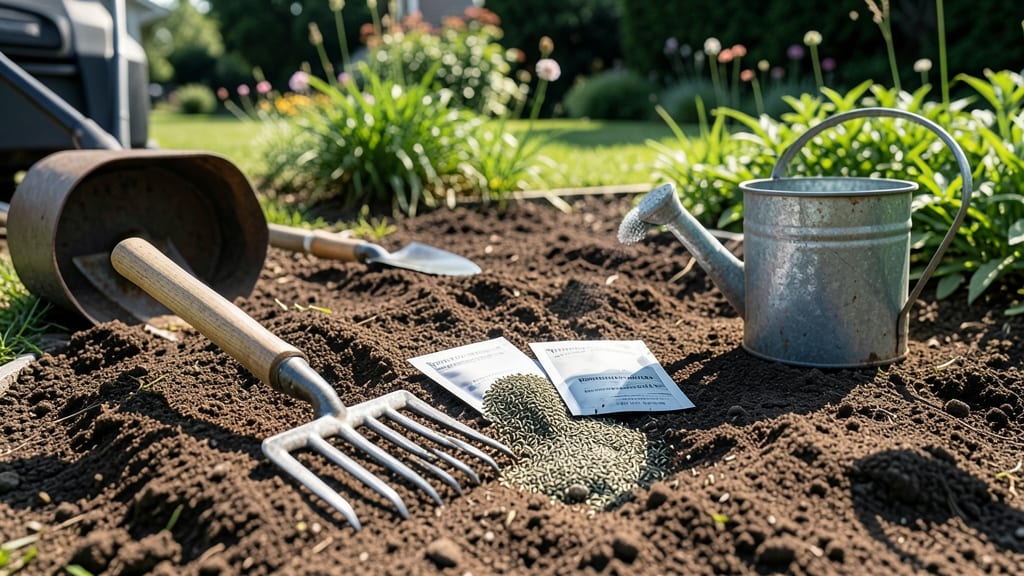
Planting grass seed in North Carolina in spring depends on soil temperatures and frost-free deadlines that shift from the mountains to the coast.
Miss the window, and you risk frost damage or weeds stealing your lawn’s spot—especially when late frosts linger into April in the Piedmont or heat arrives early in the Coastal Plain.
Below, I break down the exact soil temps (50–65°F) and last-frost dates by NC zone (6b–8a), plus how to prep your soil and adjust for unpredictable spring weather.
You’ll learn when to plant for the fastest germination, which grass types thrive in early vs. late spring, and how to protect your new 🌱 turfgrass from common pitfalls.
North Carolina spring planting zones: exact soil temperature and frost-free deadlines
North Carolina’s diverse climate—from the cool mountain regions of Zone 6b to the warmer coastal areas of Zone 8a—creates distinct planting windows for grass seed. Timing matters because soil temperatures below 50°F delay germination, while late frosts after planting can kill tender seedlings.
Let’s break down the exact thresholds and deadlines by zone to help you avoid common pitfalls like patchy lawns or wasted seed.
For Zone 6b (mountains/foothills), the average last frost date is April 15, but soil temperatures must reach 50°F consistently before planting.
Warmer zones like Zone 7a (Piedmont) can start as early as mid-March when soil hits 55°F, while Zone 8a (coastal) often waits until late March to avoid heat stress on seeds.
Here’s the key trade-off: Early spring planting (March) gives seeds more time to establish before summer heat, but risks frost damage. Late spring planting (May) avoids frost but may stress seedlings during NC’s hot, humid summers.
The sweet spot? Plant when soil is 55-65°F and the 10-day forecast shows no frost.
🌱
In Zone 6b, where frosts linger into April, focus on late April to early May planting. Use a frost cloth if seeding earlier to protect tender sprouts.
For Zone 7a/7b, aim for mid-March to late April, but monitor the National Weather Service’s frost predictions—a single 28°F night can devastate new grass.
Coastal Zone 8a gardeners have the most flexibility but must watch for soil drying out by May. If planting in late spring, choose drought-tolerant varieties like tall fescue and water deeply at dawn to reduce evaporation. Pro tip: Use a soil thermometer to confirm temperatures—don’t rely on air temps alone!
One common mistake? Planting too early when soil is still cold. Grass seeds need consistent warmth to germinate—if your thermometer reads 45°F, wait. Conversely, planting too late (after May 15) risks summer heat stress, especially in Zone 8a, where temperatures can hit 90°F+ by June.
For mountain regions (Zone 6b), consider fall planting (September-October) as a backup. Cooler temps and consistent moisture create ideal conditions without frost risks. If you must plant in spring, opt for cool-season grasses like Kentucky bluegrass, which tolerate 50°F soil better than warm-season types.
🌿
To maximize success, pair your planting timeline with soil prep. Work compost into the top 4 inches of soil in late winter (February) to warm it faster. Test your soil’s pH (6.0-7.0 ideal)—NC’s clay-heavy soils often need <
How to adjust your planting schedule for NC’s unpredictable spring weather
North Carolina’s spring weather can be a real wildcard, with late frosts lingering in the mountains while coastal areas bake under early heat. If you plant your grass seed too soon, frost can kill tender sprouts. Plant too late, and weeds or summer heat will outcompete your new lawn.
I’ve learned the hard way that adjusting your schedule based on microclimates—like urban heat islands or sheltered valleys—can save your lawn. Below, I’ll show you how to read the signs and make smart adjustments for soil moisture, frost risks, and even your yard’s unique conditions.
🌱
Start by testing your soil temperature with a simple soil thermometer. Grass seeds need soil temps between 50–65°F to germinate properly. In the Piedmont, aim for mid-April, while coastal areas can plant as early as late February if the ground isn’t frozen.
For mountain regions (like Asheville), wait until after April 15—late frosts there can hit into May. Meanwhile, urban areas like Raleigh or Charlotte may warm up faster, but watch for heat stress if temps hit 85°F+ before germination.
Manage soil moisture carefully: Overwatering can drown seeds, while underwatering leaves them vulnerable to drought. Water lightly twice daily (morning and evening) for the first week, then taper to 1 inch per week. A sprinkler timer helps maintain consistency.
Use mulch or straw after seeding to lock in moisture and protect seeds from temperature swings. For extra insurance, plant cool-season grasses like tall fescue in early spring and warm-season grasses like Bermuda in late spring—each handles NC’s weather quirks better at different times.
Finally, keep an eye on your local weather patterns. Sign up for NOAA alerts or use apps like PlantNet to track frost risks and heatwaves. Adjust your schedule based on real-time data, not just average dates.