
Lawn
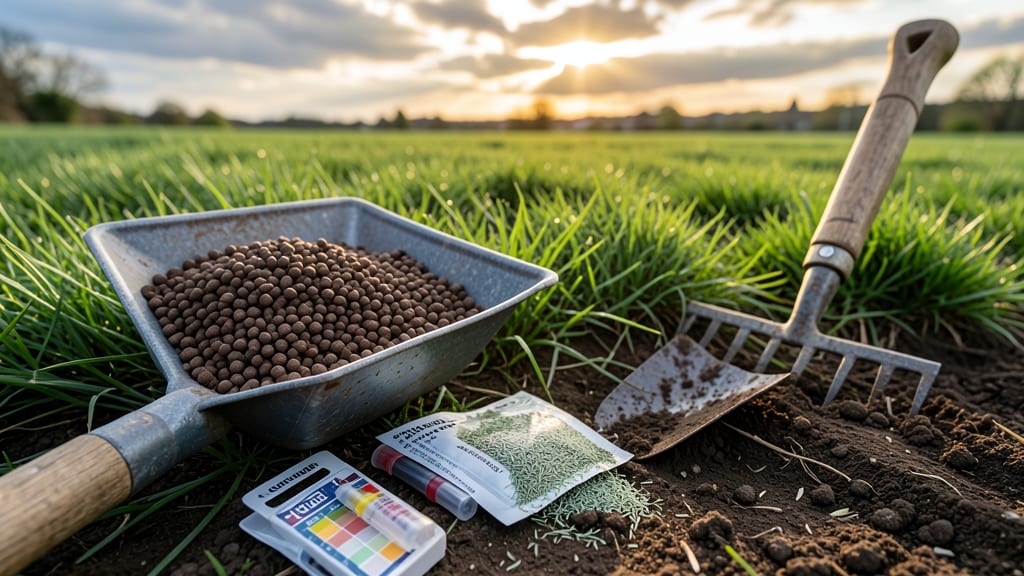
To fertilize and seed your lawn at the right time means catching those two narrow windows each year when your grass has the best shot at thick, weed-resistant growth.
Picture this: you’ve spent hours spreading seed or fertilizer, only to watch your yard struggle because you missed the perfect timing. Lawn Grass 🌱 thrives when cared for during its natural growth cycles, and skipping the ideal months can leave you with patchy, weak turf.
In Zone 6a, early spring and early fall are your golden periods—when soil is warm enough for seeds to germinate but not so hot that moisture evaporates too quickly.
Summer heat and winter dormancy make these seasons risky for both tasks, but with the right prep, you can still succeed.
Below, I’ll break down the exact months to fertilize, when to sow seed for the fastest results, and how to adjust for rain, temperature, and your grass type—so you never miss another window again.

Best seasons to fertilize your lawn for maximum growth and weed control
Timing your lawn fertilization correctly can mean the difference between a thick, weed-resistant carpet of green and a thin, patchy yard. The best times to fertilize are during your grass's active growth periods, which align with spring and fall seasons.
These windows allow nutrients to promote strong root development and outcompete weeds before they take hold.
I've learned the hard way that fertilizing at the wrong time—like during summer heat or winter dormancy—can stress your grass, making it more susceptible to pests and diseases. Let's break down the optimal fertilization schedule and how to adjust for your specific climate zone.
Here's a quick reference for when to fertilize based on seasonal growth cycles:
| Season | Best Fertilization Window | Grass Growth Stage | Weed Control Benefit |
|---|---|---|---|
| Early Spring | March-April (USDA Zone 6a) | Rapid root development | Prevents early weed germination |
| Late Spring | May-June | Top growth phase | Strengthens against summer stress |
| Early Summer | July (light feeding only) | Slow growth due to heat | Maintains color, minimal weed suppression |
| Early Fall | September-October | Root strengthening | Critical for winter survival |
| Late Fall | November (avoid) | Dormancy begins | No fertilization needed |
For cool-season grasses like Kentucky bluegrass and fescue, the spring and fall windows are absolutely critical. These grasses grow most actively during moderate temperatures (50-75°F) and need fertilization when they're establishing new roots.
I recommend applying a high-nitrogen fertilizer (like 30-0-4) in early spring to jumpstart growth and again in early fall to prepare for winter.
Warm-season grasses like Bermuda and Zoysia have different needs—they thrive in hotter months (75-90°F) and should be fertilized in late spring through early summer. However, even these grasses benefit from a light fall feeding to strengthen roots before winter dormancy.
The key is understanding your specific grass type and matching fertilization to its growth cycle.
One common mistake I see is fertilizing in late summer. While it might seem logical to feed your lawn when it looks stressed from heat, this practice actually encourages weak, shallow roots and makes grass more vulnerable to drought and disease.
Instead, focus on light, slow-release fertilizers in summer to maintain color without stressing the plant.
Climate plays a huge role in timing. In Northern regions (USDA Zones 3-5), you might push spring fertilization slightly later to avoid frost damage, while Southern lawns (Zones 7-10) can extend fall feeding into November.
Always check your local last frost date and adjust accordingly—your grass will thank you with faster establishment and better weed suppression.
Pro tip: Pair your fertilization schedule with regular soil testing. I test my soil every 2-3 years to check pH and nutrient levels. If your soil is low in phosphorus (indicated by poor root development), you might need a starter fertilizer with higher P content when seeding.
This creates a competitive advantage against weeds by giving your grass the nutrients it needs to establish quickly.
Remember that weed control is directly tied to your fertilization timing. When you fertilize during active growth periods, your grass grows thicker and faster than weeds, naturally crowding them out.
The fall fertilization is particularly effective for weed prevention because it helps grass recover from summer stress and enter winter stronger.
For new lawns, timing is even more critical. If you're seeding in spring, apply a starter fertilizer at planting and follow up with regular feedings every 6-8 weeks during the growing season.
This creates a dense turf that chokes out weeds before they become established. I've seen 30-50% fewer weeds in lawns that follow this precise schedule compared to those that skip or delay fertilization.
Optimal seeding times by grass type and regional climate Zones
Choosing the right time to seed your lawn depends on whether you have cool-season or warm-season grass, as well as your USDA climate zone.
Cool-season grasses like Kentucky bluegrass and fescue thrive in spring and fall, while warm-season types such as Bermuda and Zoysia need late spring to early summer for best results.
In Zone 6a, timing is critical—seeding too early risks frost damage, while late seeding leaves grass vulnerable to summer heat.
For cool-season grasses, aim for early spring (March-April) or early fall (September-October) when soil temperatures are 50-65°F. This aligns with their natural growth cycles, ensuring strong root development before winter dormancy.
In contrast, warm-season grasses should be seeded when soil temps hit 65-75°F, typically May-June in most Southern regions.
| Grass Type | Best Seeding Months (Zone 6a) | Soil Temp for Germination | Avoid These Mistakes |
|---|---|---|---|
| Cool-Season (Kentucky Bluegrass, Fescue) | March-April, September-October | 50-65°F | Seeding in summer heat or winter frost |
| Warm-Season (Bermuda, Zoysia) | May-June | 65-75°F | Planting before last frost or after summer drought |
| Transition Zone (Tall Fescue, Ryegrass) | April or September | 55-65°F | Ignoring microclimate variations in yard |
In Northern climates (Zones 3-5), focus on early spring seeding to beat summer weeds, while Southern regions (Zones 7-10) should prioritize late spring to avoid winter dormancy issues.
For example, Tall Fescue in Zone 5 thrives when seeded in April, but the same grass in Zone 8 may need September planting to escape summer heat stress.
Pro tip: Test your soil temperature with a simple thermometer—cool-season grasses won’t germinate below 50°F, while warm-season types stall under 60°F. If you’re unsure about your zone, check the USDA Plant Hardiness Zone Map and adjust your schedule accordingly.
One common mistake is overseeding in summer, which stresses grass and attracts weeds. Instead, pair seeding with light fertilization (using a starter fertilizer) to boost early growth. For instance, apply a high-phosphorus blend (10-20-10) at seeding time to encourage strong root development.
After seeding, maintain consistent moisture—aim for 1 inch of water weekly—and avoid heavy foot traffic until your new grass reaches 3-4 inches tall. With the right timing, your lawn will establish faster, outcompete weeds, and stay lush year-round. 🌱