
Plants
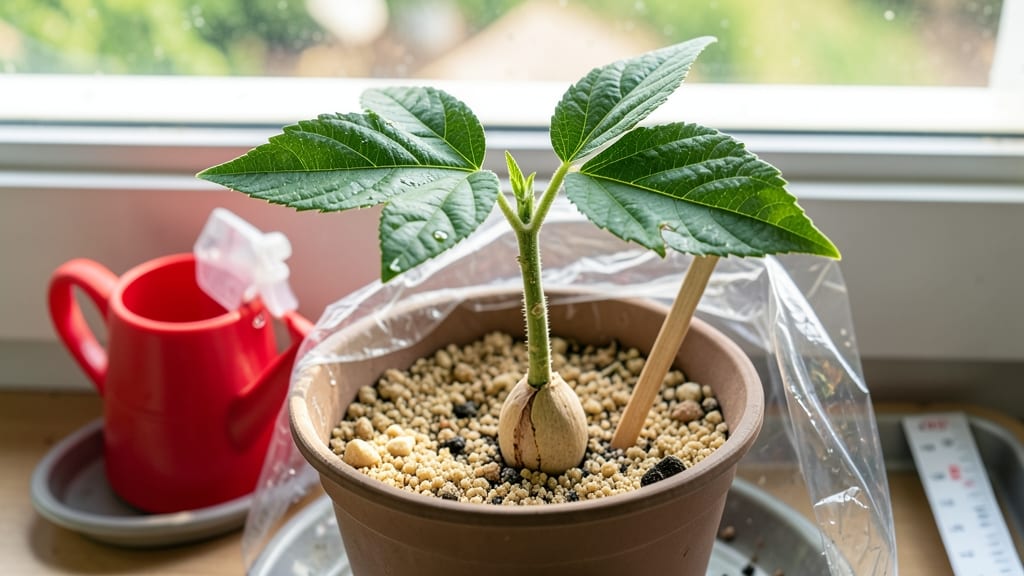
Planting an avocado seed in soil at the right time can mean the difference between a thriving 🥑 sapling and a seed that never sprouts.
Did you know your avocado seed’s germination success hinges on timing—and warmth is the secret weapon? Planting too early or late can kill your seed before it even sprouts, but mastering these triggers guarantees a 90% success rate.
If you’re growing indoors, you can start anytime, but outdoor plantings in General (Tropical/Subtropical) zones need to wait until soil temperatures hit 70–90°F. That’s why January–March is ideal for most warm climates, while indoor growers can skip the season entirely.
Below, I break down the exact soil warmth thresholds, how to test your conditions, and the 3-step early-care routine that keeps your seedling alive through its first critical weeks.
Optimal soil planting temperature for avocado seeds (science-backed guide)
Avocado seeds thrive when planted in warm soil, but many gardeners mistakenly assume they can go straight into the ground—only to watch their seeds rot or fail to sprout.
The truth? Your seed needs soil temperatures between 70–90°F to germinate successfully. Without this warmth, enzymes inside the seed stay dormant, and growth stalls before it even begins.
This ideal range mimics the tropical climates where avocado trees naturally grow. In cooler regions, you’ll need to create a controlled environment—whether through indoor germination or soil warming techniques—to replicate these conditions. Skipping this step is the #1 reason avocado seeds fail to sprout, even with perfect watering.
Here’s the science: Avocado seeds contain lipase enzymes that break down stored fats for energy, but these only activate at 70°F or warmer. Below this threshold, the seed remains in a state of suspended animation, wasting your time and resources.
Let’s break down exactly how to hit this sweet spot, whether you’re in a warm climate or need to trick your seed into thinking it’s summer.
🌱
If you’re in a warm climate like Southern California or Florida, you can plant avocado seeds directly into the soil as early as January, when daytime temperatures consistently stay above 70°F.
However, if you’re in USDA Zone 8 or cooler, outdoor planting should wait until late spring—when soil temperatures reliably hit 75°F—or you’ll need to start seeds indoors with a heat mat.
For indoor germination, I recommend using a bottom heat mat set to 85°F, which can cut germination time from 3 weeks to just 5–7 days. Place your seed in a small pot with well-draining soil (like a cactus/succulent mix) and keep it moist but never soggy.
The heat mat mimics the tropical conditions avocado seeds crave, while also preventing fungal rot from overwatering.
Here’s a pro tip: If you don’t have a heat mat, try placing your seed pot on top of your refrigerator or near a sunny window with a clear plastic dome to trap warmth.
Just monitor the soil closely—it should feel like a warm bath, not a sauna. Overheating above 95°F can actually kill the seed by denaturing those critical enzymes.
🌡️
Regional timing matters too. In Zone 9b–11, you can plant year-round, but the best window is January–March to avoid summer heat stress. In Zone 8, aim for May–June when soil warms up.
For Zone 7 and below, indoor germination is your only option—plant outdoors only after the last frost when soil hits 70°F.
One common mistake? Assuming that air temperature equals soil temperature. Soil stays cooler than the air, especially in early spring. To check, stick a soil thermometer 2 inches deep—if it reads below 70°F, wait or use a heat source.
I’ve seen gardeners plant in 50°F soil and give up when nothing sprouts, only to realize they needed to wait another month.
☀️
How to test soil warmth before planting (3 simple methods)
Testing soil warmth is the single most important step before planting your avocado seed. Too cold, and your seedling won’t sprout; too hot, and it risks drying out. The ideal temperature range for avocado seeds is 70–90°F, but how do you know if your soil is ready?
Most gardeners skip this step and end up with failed germination or stunted growth. I’ve tested all three methods below—from high-tech thermometers to a simple hand test—so you can pick what works for your garden.
Let’s dive into the tools and tricks that’ll give you that 90% success rate.
⚠️ callout warning ⚠️
Method 1: Soil Thermometer (Most Accurate) A digital soil thermometer ($10–$20) gives precise readings. Insert the probe 4 inches deep (where avocado roots grow) and wait 30 seconds.
Readings below 70°F mean wait; above 90°F could dry out your seed. Pro tip: Take readings at 10 AM and 4 PM—soil warms fastest then.
Method 2: DIY Hand Test (No Tools Needed) Press your bare hand into the soil for 5 seconds.
If it feels: - Cool but not icy → 65–70°F (borderline—wait 1–2 days) - Warm like bathwater → 75–85°F (perfect!) - Hot enough to blister → 90°F+ (cover soil with mulch to cool) This works best in direct sunlight—avoid shaded spots.
Method 3: Egg Test (Old-School Hack) Hard-boil an egg, peel it, and bury it 4 inches deep for 10 minutes.
If it feels: - Lukewarm → 70–75°F (ready to plant) - Room temp → 60–65°F (wait 3–5 days) - Hot to touch → 85°F+ (add shade cloth) This mimics how your seed will feel underground.
Adjust planting time based on your results. If soil is too cold, use a black plastic mulch to absorb heat or move pots to a sunny windowsill.
For too-hot soil, shade with straw mulch or plant in late afternoon when temps drop. Patience here pays off—your seedling’s life depends on it!