
Companion Plants
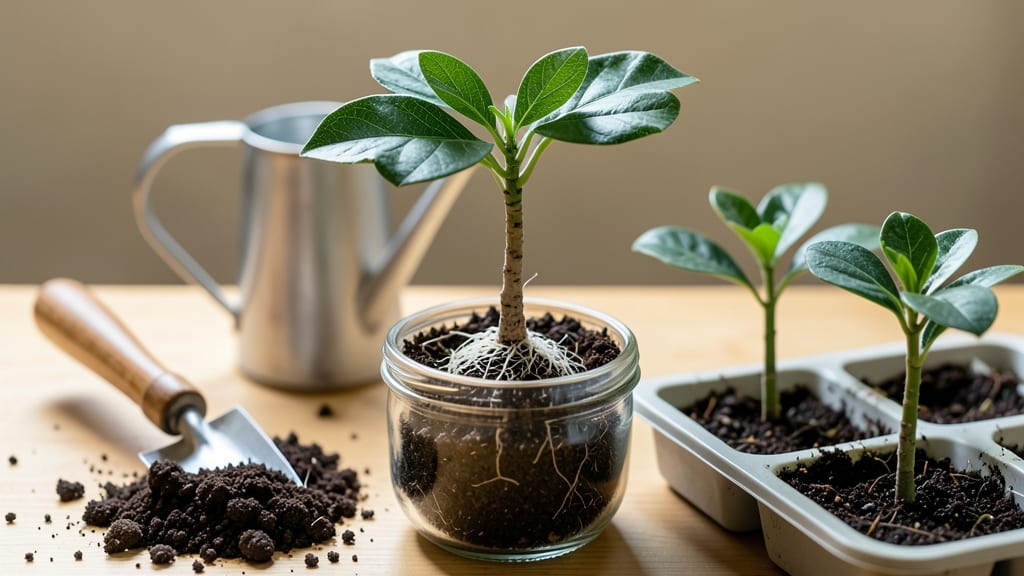
You can plant your avocado seed in soil once it’s sprouted 1–2 inches of roots and the stem is sturdy, but timing depends on whether you’re keeping it indoors or outdoors in your zone.
Growing an avocado tree from a seed is a rewarding project—but timing your planting can make the difference between a thriving sprout and a failed experiment.
If you’ve sprouted your seed and now wonder when to transition it to soil, this guide breaks down the perfect planting window based on your climate zone.
In USDA Zone 6a or cooler, wait until after the last frost (typically mid-April) and soil temperatures hit 60°F or warmer. For indoor growing, you can plant year-round, but outdoor seedlings need 6–8 hours of sunlight daily to thrive.
Below, I’ll cover zone-specific deadlines, soil prep tips, and how to tell if your 🥑 avocado seedling is truly ready—so you avoid common pitfalls like root rot or stunted growth.
Ideal planting times by USDA hardiness zones for avocado seedlings
Avocado seedlings thrive in warm climates and are highly sensitive to cold temperatures. Since they’re tropical plants, your USDA hardiness zone determines whether you can grow them outdoors year-round or must keep them indoors.
The key is planting when soil and air temperatures stay consistently above 60°F (15°C)—any colder, and your seedling risks root damage or death.
If you’re in zones 10-11, you can plant outdoors almost year-round, but zones 6-9 require careful timing to avoid frost. In cooler zones, starting your seedling indoors and transplanting after the last frost date is your best strategy.
Even then, a 6-12 month indoor phase is often necessary before outdoor planting.
Below is a zone-by-zone breakdown of when to plant your avocado seed in soil, including last frost dates, soil temperature thresholds, and regional adjustments. Use this as your planting deadline guide to maximize survival rates.
For zones 10-11, your avocado seedling can go straight into the ground if you’re in a frost-free area. However, even in these zones, young seedlings benefit from container growing for the first year to protect roots from temperature swings.
If you’re in zone 9, aim to plant by mid-March—but be ready to cover plants if a late frost threatens.
In zones 8-7, the last frost date is your hard deadline, but don’t rush—wait until soil temperatures hit 70°F+ (21°C+). Use a soil thermometer to check; avocado roots struggle below this threshold.
If your zone has unpredictable frosts (like zone 7b), err on the side of caution and delay planting until June.
For zone 6 and colder, outdoor planting is not recommended for avocado seedlings. Instead, treat your seedling like a houseplant and provide bright, indirect light year-round. If you’re determined to try outdoors, plant in a large container and move it indoors before fall temperatures drop.
Pro tip: If you’re in a cooler zone and want to try outdoor growth, consider planting in a microclimate—like near a south-facing wall or under a cloche—to extend the growing season. Just remember, avocado trees are tropical at heart, so they’ll always prefer warmth over cold.
Finally, if you’re unsure about your last frost date, check your local USDA zone map or ask your extension office. Timing is everything when it comes to avocado seedlings—get it right, and you’ll have a healthy, fast-growing tree in no time. 🌱
Signs your avocado seed is ready for soil (not just the calendar)
Don’t wait for a calendar date to plant your avocado seedling—look for these physical signs instead. A healthy seedling shows 1–2 inches of roots and a thick, sturdy stem, but there’s more to check before transplanting.
These indicators ensure your seedling can handle soil stress and thrive in its new home.
First, examine the root system. If roots are dense and white, reaching 1–2 inches long, your seedling is ready. Roots that are sparse or brown signal stress—wait longer or adjust care.
Next, check the stem thickness; it should feel firm and woody, not soft or brittle.
Your seedling’s leaves tell another story. Dark green, glossy leaves mean it’s thriving, while yellowing or wilting leaves indicate it’s not ready. Also, look for new growth—if your seedling adds 2+ inches per month, it’s strong enough for soil.
- 🌱 Root Length: 1–2 inches (fill the pot or emerge from drainage holes)
- 🪴 Stem Thickness: Sturdy, woody (not soft or hollow)
- 💚 Leaf Color: Dark green and glossy (no yellowing or browning)
- 🌿 Growth Rate: 2+ inches per month (consistent new leaves)
- ⏰ Time in Water: 4–8 weeks (if grown in water; roots should be dense)
If your seedling meets these signs but you’re in a cooler climate, accelerate readiness by moving it to a sunny windowsill or under grow lights for 12+ hours daily.
This boosts growth and hardens the stem. For outdoor planting, wait until soil temperatures stay above 60°F to avoid shock.
Pro tip: Gently squeeze the stem—if it snaps cleanly, it’s ready. If it bends or feels mushy, delay planting. Patience here prevents root rot or stunted growth later.
Once your avocado seedling checks all the boxes, it’s time to transition to soil. Use a well-draining mix and a small pot (6–8 inches) to avoid overcrowding. Water lightly after planting, and keep it in bright, indirect light for a week to reduce stress.