
Companion Plants
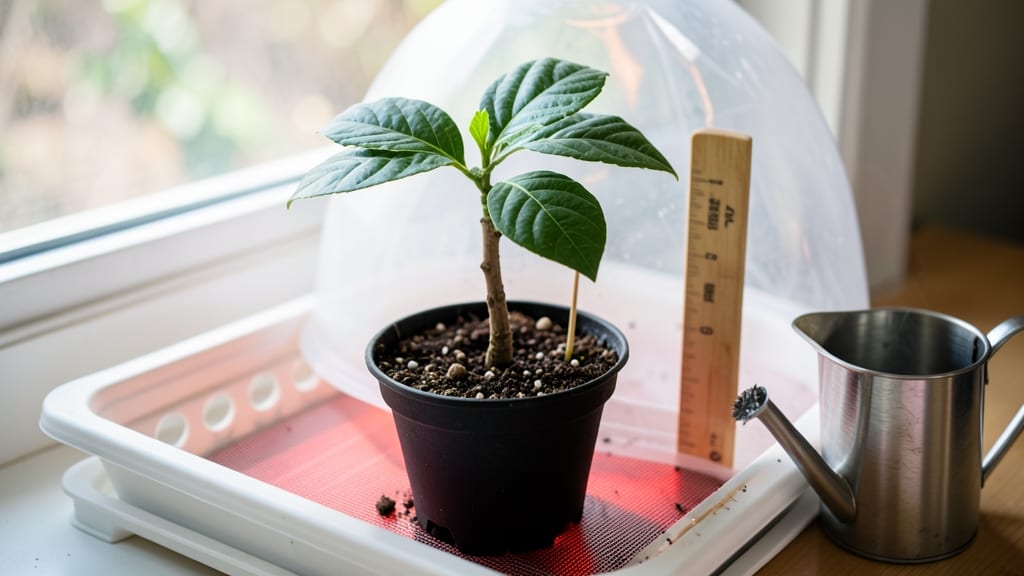
Plant your avocado seed in soil when it has sprouted roots and the soil temperature is at least 60°F—timing this right is the key to avoiding a slow or failed start.
Picture this: you’ve been patiently watching your 🥑 avocado seed sprout roots in water, but now you’re stuck wondering, "Is it too early to plant?" The wrong move here could mean stunted growth or even death for your seedling.
That’s why knowing the perfect moment—based on your climate zone—matters so much.
In warmer zones like 6a or higher, late spring (after the last frost) is ideal, while cooler areas may need an indoor head start. The goal? A strong, healthy transition from water to soil without shock.
I’ll walk you through the exact signs your seedling is ready and how to prep for planting success.
By the end, you’ll know not just when to plant but how—so your avocado tree gets off to the best possible start. Let’s make sure your seed doesn’t become another failed experiment!
Optimal planting months by USDA hardiness zone for avocado seed germination
Timing is everything when planting your avocado seed in soil—especially since these tropical plants struggle with frost damage and cold soil. The USDA hardiness zone where you live determines whether you can plant directly outdoors or must start indoors first.
In zones 9-11, you can plant seeds outdoors year-round, while gardeners in zones 3-8 face frost risks that require careful timing and indoor germination.
Avocado seeds germinate best in warm soil (65-85°F), which is why spring planting is ideal for most regions. However, the exact month depends on your zone.
For example, gardeners in zone 7 should wait until May or June after the last frost, while those in zone 11 can plant anytime. The key is avoiding temperature swings that shock seedlings.
Here’s how to match your zone to the perfect planting window, including indoor vs. outdoor strategies to prevent seedling shock and maximize germination success.
If you’re in zones 3-8, starting your avocado seed indoors in late winter gives it a head start. Aim to transplant seedlings outdoors after Memorial Day when nighttime temps stay above 50°F.
For zones 9-11, you can plant seeds directly in well-draining soil anytime, but spring or fall avoids extreme heat stress.
One common mistake is planting too early in zones 6-8, where a late frost can kill young seedlings. Always monitor your local frost dates and wait until the soil temperature consistently stays above 60°F for at least a week.
A simple trick? Press your hand into the soil—if it feels warm (not hot), it’s ready for planting.
For gardeners in zones 9-11, the real challenge is water management. Avocado seeds need consistent moisture but hate soggy soil. Use a drip irrigation system or soaker hose to keep roots hydrated without overwatering.
In tropical zones, planting in partial shade during the hottest months (June-August) prevents seedling stress.
Transitioning seedlings from water to soil is another critical step. If you’ve been growing your seed in a glass of water, wait until roots reach 1-2 inches long before planting. This ensures the seedling has enough energy to adapt to soil.
In cooler zones (3-8), harden off seedlings by placing them outdoors for 2-3 hours daily before the final transplant.
Remember, avocado trees from seed take 5-13 years to fruit, so patience is key. But by following your zone-specific planting window, you’ll give your seedling the best chance to thrive—whether you’re in frost-prone zone 5 or tropical zone 11. 🌱
Need more details? Check your local extension office for precise frost dates and soil conditions in your area. Happy planting!
5 Critical signs your avocado seed is ready to plant (not too early, not too late)
Planting your avocado seed too soon can stunt its growth, while waiting too long risks root damage. The key is spotting these 5 readiness signs—each one signals your seedling is primed for soil.
I’ve learned from trial and error that timing matters more than most gardeners realize, especially for tropical plants like avocados.
First, check for 1-2 inch roots in your water glass. These roots should look white and firm, not mushy or brown. If they’re shorter than your pinky finger, hold off on planting—your seedling needs more time to build strength.
I once planted mine too early, and the roots broke during transplanting, setting my seedling back weeks.
Next, look for a sprouted stem that’s at least 2-3 inches tall. The stem should stand upright on its own, not flop over. If it’s still curled or wobbly, it’s not ready.
This stage usually takes 4-8 weeks, depending on your climate. In warmer zones, this happens faster, while cooler areas may need extra patience.
Your seedling should also have 2-3 healthy green leaves. These leaves act as its energy source, so they must be vibrant, not yellow or brown. If you see any discoloration, it’s a sign of stress—wait until the leaves look fresh and full.
I once ignored this sign and ended up with a leggy, weak seedling that struggled to recover.
Now for the environmental cues: your local soil temperature should be consistently above 60°F (15°C). Use a soil thermometer to check—if it’s cooler, your seedling could suffer shock.
Also, ensure you have at least 6+ hours of sunlight daily for its new home. Avocados crave warmth and light, so don’t skimp on either.
Finally, if your seedling is 1 foot tall and has a sturdy base, it’s ready for soil. At this stage, it should also be producing new leaves every 2-4 weeks.
This growth spurt is your green light—don’t wait another day! I planted mine at this stage, and it thrived immediately, growing 6 inches in just two weeks.
- 1. Roots 1-2 inches long – White, firm, and healthy (not brown or mushy).
- 2. Stem 2-3 inches tall – Upright and sturdy, not wobbly or curled.
- 3. 2-3 vibrant green leaves – No yellowing or browning.
- 4. Soil temp >60°F (15°C) – Check with a thermometer before planting.
- 5. Seedling 1 foot tall – Ready for soil with new leaves every 2-4 weeks.
Once you’ve checked all five signs, it’s time to plant! Use a well-draining potting mix and a pot with drainage holes to prevent root rot. I recommend starting with a 6-inch pot and moving up as your seedling grows.
Avoid planting in clay-heavy soil—avocados hate soggy roots, so amend your soil with compost if needed.
Remember, rushing the process can lead to transplant shock, while waiting too long may cause root binding. I’ve seen both mistakes firsthand, so trust the signs your seedling gives you.
With the right timing, your avocado tree will grow strong and healthy, ready to thrive in your garden for years to come. Happy planting! 🪴