
Plants
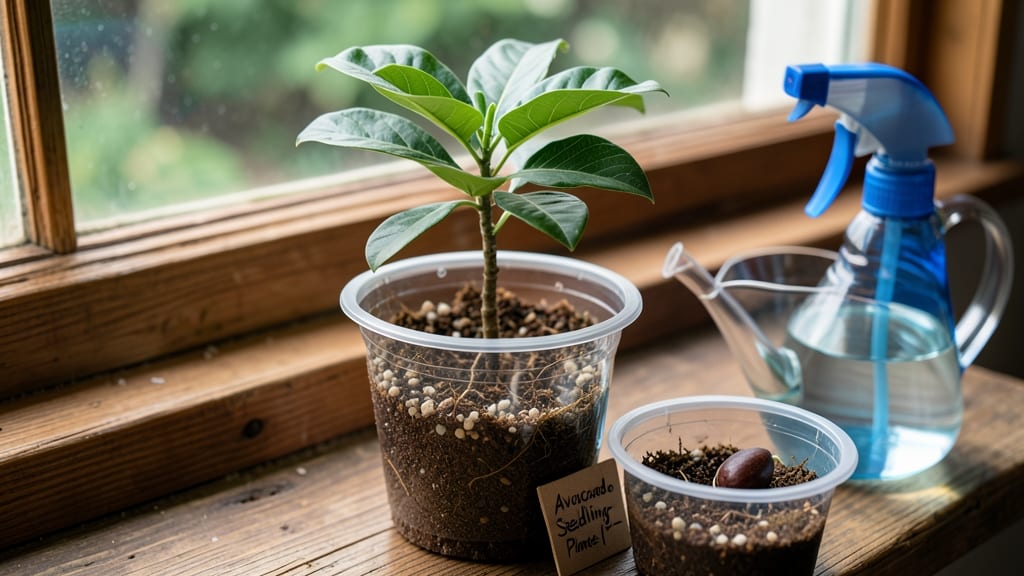
Planting an avocado seed in soil when it’s ready to grow—after roots reach 2-3 inches—sets the stage for a thriving tree 🥑.
You’ve watched that seed sprout in water, maybe even cheered as roots curled around the glass. But rushing it into soil too soon can drown the delicate roots, while waiting too long risks stunted growth. The key? Warmth and patience—your seed needs soil temps above 65°F to take off.
In Zone 6, that means waiting until late spring, after the last frost (around April 15), when daytime temps consistently hit the mid-70s. Skip the guesswork: I’ll walk you through the exact milestones—from root length to transplant timing—to give your avocado the best shot at survival.
Ready to plant? You’ll also learn how to avoid the three biggest mistakes that kill seeds before they even sprout, plus a foolproof method for moving your seedling from water to soil without shocking its roots.
The perfect temperature range for planting avocado seeds in soil
Avocado seeds thrive when planted in soil at the right temperature thresholds. Too cold, and they’ll rot; too hot, and they may dry out before sprouting. The ideal air and soil temperature range for planting is 65–85°F, where root development accelerates and fungal risks drop.
This window ensures your seed transitions smoothly from dormancy to active growth without stress.
Indoor growers can plant year-round using a heat mat or sunny windowsill, while outdoor gardeners must wait for spring’s last frost (typically March–April in most U.S. regions). Avocados are tropical, so cold soil below 60°F stalls germination entirely. Use a soil thermometer to confirm readiness—consistent warmth is non-negotiable.
| Factor | Optimal Range | Action Required |
|---|---|---|
| Soil Temperature | 65–85°F | Use heat mat if below 65°F |
| Air Temperature | 70–80°F | Indoor: South-facing window; Outdoor: Wait for stable warmth |
| Humidity Level | 50–70% | Mist soil daily if air is dry |
| Indoor Planting Window | Year-round (with heat) | Use grow lights if natural light is weak |
| Outdoor Planting Window | March–May (USDA Zones 7–11) | Cover with frost cloth if nights dip below 50°F |
If you’re pre-sprouting your avocado seed in water (a common first step), wait until you see 1–2 inch roots before planting. This ensures the seed is ready for soil and reduces transplant shock.
Once roots appear, plant immediately—delaying beyond a week risks root desiccation. Use a well-draining potting mix (like cactus/succulent blend) to prevent soggy soil, which causes rot in 60–70°F conditions.
Regional differences matter: In USDA Zones 9–11, you can plant outdoors as early as February, while Zones 7–8 should wait until April after soil warms. Test soil temperature with a thermometer—below 65°F means your seed is in a dormancy trap.
For indoor growers, a grow light or sunny windowsill mimics tropical warmth year-round.
Mistakes like planting in cold, damp soil (common in early spring) trigger fungal diseases like root rot. To avoid this, let soil warm to 70°F+ before planting, and use sterilized potting mix.
If your climate has unpredictable swings, start seeds indoors in 6-inch pots and transplant outdoors only after three stable weeks above 65°F.
Patience is key—avocado seeds can take 4–12 weeks to sprout, depending on temperature. If your seedling emerges but stalls, check soil moisture and light exposure. Yellowing leaves often signal overwatering, while brown tips mean dry air.
Adjust care based on your microclimate: indoor plants need higher humidity, while outdoor seedlings benefit from morning sun.
Pro tip: Place your planted seed in a clear plastic bag (with holes for airflow) to retain humidity while it establishes roots. Remove the bag once true leaves (not cotyledons) appear—this signals the seedling is adapting to its environment. Monitor soil temperature weekly; fluctuations outside 65–85°F can halt growth entirely.
For container growers, use a thermometer probe in the soil to track warmth. If your home stays below 65°F, supplement with a seedling heat mat ($10–$15) until roots develop.
Outdoor gardeners in cooler zones can extend the season by planting in black pots, which absorb and retain heat better than traditional containers.
Remember: Temperature consistency is more critical than absolute warmth. A seed planted in 75°F soil but exposed to 50°F nights will struggle. Use a mini greenhouse or cold frame to buffer temperature swings.
With the right warmth, your avocado seed will sprout within 2–4 weeks—and that’s when the real fun begins!
Step-by-step avocado seed planting timeline by climate Zone
Your avocado seed’s journey from water to soil hinges on warmth and root readiness. In USDA Zones 7–11, the timeline shifts dramatically—from late winter in Zone 11 to early summer in Zone 7—because avocado seeds need soil temps above 65°F to thrive.
I’ll break down the exact steps for each zone, including when to transplant your seedling and how to prep soil for success.
First, let’s clarify: pre-sprouting in water (the classic glass method) is optional but recommended. If you skip it, plant the seed directly in soil—just deeper (2 inches) to protect it.
But if you’ve sprouted roots in water, wait until they reach 2–3 inches before transplanting. This ensures your seedling has enough energy to adapt to soil.
🌱 When to Plant an Avocado Seed in Soil
- Zone 7 (Coldest): Plant in late May–June after soil warms to 70°F+. Pre-sprout roots in water first for faster adaptation.
- Zone 8: Ideal window is April–May. Soil should be 68–75°F; avoid planting before last frost (risk of rot).
- Zone 9: Plant in March–April. Roots thrive in 70–80°F soil. Use a heat mat if starting indoors early.
- Zone 10: February–March is perfect. Soil stays warm year-round; transplant seedlings when roots hit 3 inches.
- Zone 11 (Warmest): Plant anytime soil is above 65°F (year-round). Speed up growth with a grow light if indoors.
💡 Pro Tip: Test soil temp with a thermometer—cold soil = stalled growth.
Once your seedling is ready, use a well-draining potting mix (avoid garden soil—it’s too dense). Plant the seed 1–2 inches deep, with the root base just below soil level. Water lightly to settle the soil, then let it dry slightly between waterings to prevent rot.
In Zones 7–8, consider a mini greenhouse or shade cloth for the first 2 weeks to protect young leaves.
After transplanting, monitor for yellowing leaves, a sign of overwatering or shock. Avocado seedlings in Zones 9–11 may show faster growth—expect new leaves every 2–4 weeks if conditions are ideal. If growth stalls, check for root-bound pots or nutrient deficiencies (use a balanced fertilizer like 6-6-6).
Remember: Patience is key. Even in Zone 11, it takes 1–2 years for a seedling to mature enough for outdoor planting. In colder zones, wait until the seedling is 1–2 feet tall before moving it outside permanently.
With the right timing, your avocado tree could bear fruit in 5–10 years—but the journey starts with these simple steps.
🌿