
Plants
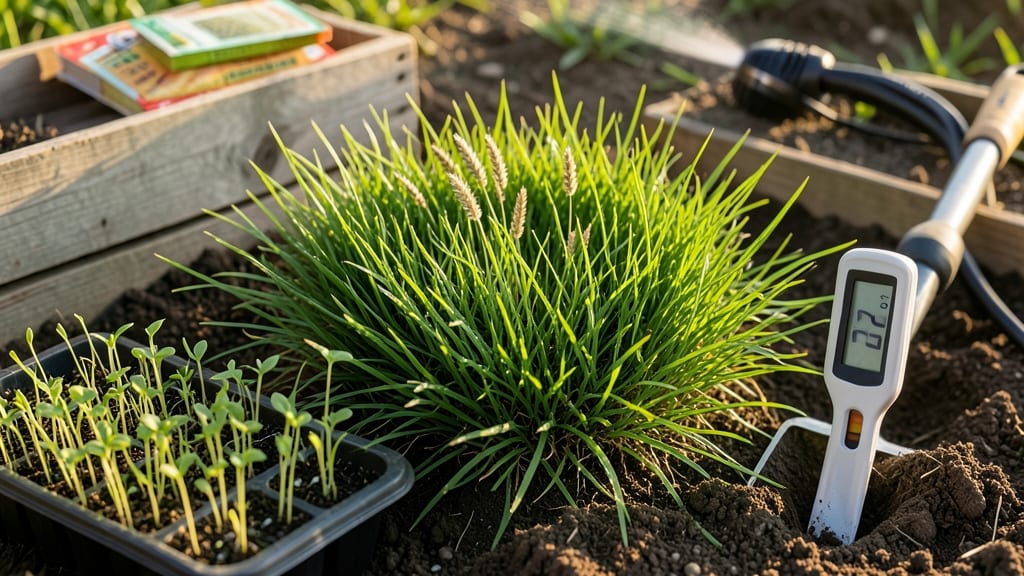
Planting Bermuda grass seed in North Carolina between late April and mid-May gives it the heat tolerance it needs to thrive in zones 6b–8a.
North Carolina’s scorching summers can turn a lush Bermuda grass lawn into a crispy nightmare—unless you time your planting just right. Plant too early, and frost will kill your seedlings; too late, and weak roots struggle to establish before winter.
Here’s the science-backed window to maximize heat tolerance and deep root growth.
This warm-season grass loves the sun and heat, but it needs time to develop strong roots before the dog days of summer hit.
Inland areas like Raleigh or Charlotte can start as early as late April, while coastal regions like Wilmington should wait until early May to avoid early-season cold snaps.
Below, I break down the exact soil temperatures to watch for, regional planting schedules, and the 30-day care routine that keeps your Bermuda grass 🌱 thriving from seed to full coverage.
Optimal Bermuda grass planting dates in NC: heat tolerance timeline by region
North Carolina’s three distinct regions—Coastal, Piedmont, and Mountain—each demand a tailored approach to Bermuda grass planting. The key? Planting when soil temperatures consistently hit 65°F or higher, while avoiding late spring heat spikes that can stress seedlings.
Coastal areas warm up faster, while Mountain regions need patience for cooler soils.
Bermuda grass thrives in heat but despises frost. In NC, planting too early risks seedling death from late frosts (average last frost: March 15), while late planting leaves roots vulnerable to winter dormancy challenges.
The sweet spot? A 6-8 week window before summer’s peak heat arrives to ensure strong root establishment.
Here’s the breakdown by region, including critical soil temperature thresholds and heat tolerance timelines to maximize your lawn’s survival and vigor.
🌱
| Region | Last Frost Date | Optimal Planting Window | Soil Temp Threshold (°F) | Heat Spike Risk | Key Consideration |
|---|---|---|---|---|---|
| Coastal (e.g., Wilmington, Morehead City) | March 1-15 | Late April - Early May | 65°F+ (soil) | High (humidity + heat) | Plant early to avoid summer drought stress |
| Piedmont (e.g., Raleigh, Greensboro) | March 15-30 | Mid-April - Late May | 68°F+ (soil) | Moderate (dry heat) | Monitor soil moisture; Piedmont dries fast |
| Mountain (e.g., Asheville, Boone) | April 15-30 | Late May - Early June | 70°F+ (soil) | Low (cooler nights) | Wait for consistent warmth; frost risk lingers |
For Coastal NC, aim for late April to early May when soil temperatures stabilize above 65°F. This region’s high humidity and rapid warming create an ideal environment for quick germination, but be prepared for heat spikes that can dry out seedlings faster than inland areas.
Coastal lawns also benefit from shade cloth during the hottest afternoons if planting in May.
In the Piedmont, where temperatures fluctuate more dramatically, mid-April to late May is ideal. Soil here often needs to reach 68°F before planting, and the region’s drier climate demands consistent watering to prevent crusting. If you plant in late May, prioritize evening watering to reduce evaporation.
The Mountain region requires the most patience—planting shouldn’t start until late May to early June, when soil temperatures reliably hit 70°F+.
Cooler nights and later frosts mean seedlings here face higher stress, so opt for heat-hardened seedlings or a fall planting window (early September) if spring timing feels risky.
Pro tip: Use a soil thermometer to confirm readiness. Bury it 2 inches deep in full sun for the most accurate reading. If temperatures dip below 60°F at night, delay planting until conditions stabilize—weak roots won’t survive NC’s summer heat without a strong foundation.
🌡️
Remember, Bermuda grass is a warm-season grass, meaning it goes dormant in winter. Planting in the optimal window ensures roots establish deeply before summer’s intensity peaks.
For Coastal areas, this means 6-8 weeks of heat acclimation before July’s brutal sun; in the Mountains, it’s 4-6 weeks before August’s heat sets in.
Need a backup plan? Fall planting (early September) works in all regions, giving seedlings time to root before winter. Just avoid planting after October 15, or roots won’t mature enough to handle frost.
Pre-planting soil prep and heat hardening for NC’s Bermuda grass seed
Before you even sprinkle that Bermuda grass seed, your soil needs a heat-ready makeover. NC’s humid climate means your grass will face both high temperatures and moisture challenges—so prepping correctly is non-negotiable.
Start by testing your soil pH; Bermuda thrives in slightly acidic soil between 6.0 and 7.0. If your soil is off, add pelletized lime (for high pH) or sulfur (for low pH) 4–6 weeks before planting to give it time to adjust.
Next, focus on soil aeration. Compacted soil smothers roots, so rent a core aerator to punch holes 2–3 inches deep across your lawn. This lets air, water, and nutrients reach the seedling roots where they need them most.
After aerating, top-dress with 1/4-inch compost to improve drainage and nutrient availability without suffocating the seed.
- ✅ Test soil pH (aim for 6.0–7.0) and amend if needed 4–6 weeks pre-planting.
- ✅ Aerate soil to 2–3 inches deep using a core aerator.
- ✅ Spread compost (1/4-inch layer) over aerated areas for nutrients.
- ✅ Water deeply 1–2 days before planting to moisten soil uniformly.
- ✅ Acclimate seed to heat by storing it in a warm, sunny spot for 24 hours before sowing.
- ✅ Rake seedbed lightly to create a fine, firm surface for even seed contact.
Don’t overlook moisture control—Bermuda grass seed needs consistent dampness to germinate, but standing water drowns it. Water your soil deeply 1–2 days before planting to ensure even moisture without puddles.
On planting day, aim for soil that’s damp but not soggy—think of a wrung-out sponge. Use a soil moisture meter if you’re unsure; aim for 40–60% moisture at 2-inch depth.
For heat hardening, give your seed a head start by acclimating it to warmth before planting. Store the seed in a sunny, warm spot (like a greenhouse or south-facing window) for 24 hours before sowing.
This mimics NC’s summer heat and jumpstarts germination. Pro tip: If your seed arrives cold from storage, let it sit in a 70°F+ area for a full day to avoid shock.
Finally, create the perfect seedbed by raking lightly after amending the soil. Aim for a fine, firm texture—like a well-swept floor—so seeds make even contact with the soil. Avoid over-raking, which can bury seeds too deep (1/4-inch max) and suffocate them.
Once your seedbed is ready, you’re just hours away from planting—just keep that 30-day care plan handy to lock in success.
With these steps, your Bermuda grass seed will hit the ground running—literally. The key is preparation; NC’s heat won’t phase it once roots establish, but a rushed job will leave your lawn struggling. Now grab that aerator and let’s get growing! 🌱