
Plants
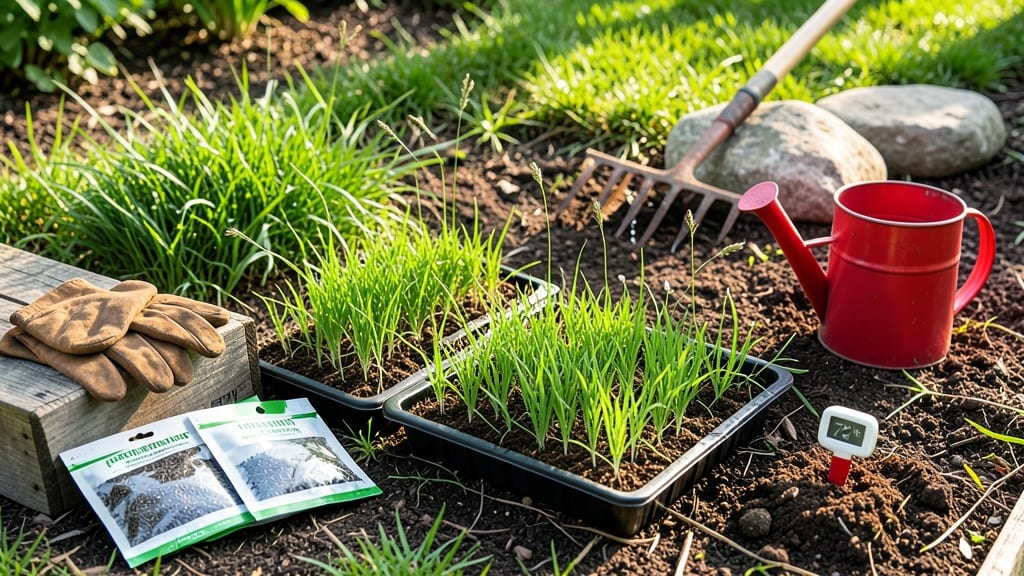
Planting Bermuda grass seed in South Carolina after the last frost and when soil hits 65°F is the key to a thick, drought-resistant lawn by summer.
Too early, and frost will kill your seedlings. Too late, and the heat arrives before the grass takes root—leaving you with bare patches instead of lush growth. I’ve seen both mistakes, and the difference between success and frustration comes down to timing, soil prep, and regional tweaks.
This guide breaks down the optimal planting window (April through June) by zone, how to check soil warmth, and when to adjust for Upstate vs. Coastal SC. You’ll also learn how rainfall and late-spring heat can throw off your schedule—and what to do about it.
By the end, you’ll know exactly when to plant for your yard, plus post-seeding care to keep your Bermuda grass thriving all season.
Optimal Bermuda grass planting timeline in South Carolina by month
Bermuda grass thrives in South Carolina’s warm climate, but planting it at the wrong time can lead to poor germination or even complete failure. The ideal window spans from late April through July, with June being peak season for most regions.
This schedule aligns with soil temperatures reaching 70°F+, which Bermuda grass needs to germinate successfully.
Upstate South Carolina (USDA zones 7b-8a) typically has cooler spring soils than the Coastal Lowcountry (zones 8b-9a). This means Upstate gardeners should delay planting until mid-May or June, while Coastal areas can start as early as late April.
Always check your local last frost date—planting too early risks seed rot from lingering cold.
Here’s a month-by-month breakdown to help you time your planting perfectly, including regional adjustments and key considerations like rainfall and soil prep:
In Upstate South Carolina, where springs are cooler, aim for mid-May to early June. The Piedmont region often experiences soil temperatures below 70°F in April, which can delay germination by weeks.
Use a soil thermometer to confirm readiness—Bermuda grass seed won’t sprout until the soil hits 70°F consistently for 3-5 days.
For Coastal South Carolina, including Charleston and Myrtle Beach, late April to early May is ideal. The warmer Lowcountry soils reach optimal temperatures earlier, but watch for afternoon thunderstorms in May, which can wash away newly planted seed.
A light mulch layer (like straw) helps retain moisture without smothering the seed.
June is the sweet spot for both regions, offering consistently warm soil (often 80°F+) and longer daylight hours to fuel rapid germination. However, June also brings peak rainfall in South Carolina, so plant on a dry day and water lightly afterward to avoid seed displacement.
If you miss June, early July can still work, but germination slows as summer heat intensifies.
By late July, soil temperatures begin to drop slightly in Upstate areas, while Coastal regions may still see
Soil temperature & weather checklist before planting Bermuda grass seed
Before you rush to plant Bermuda grass seed in South Carolina, checking your soil temperature and weather forecast is critical. Cold soil or unexpected rain can stall germination or even kill your seedlings. The ideal window is narrow—wait too long, and you might miss the best growing conditions.
Start by testing your soil temperature at a depth of 2-4 inches. Bermuda grass needs soil that’s consistently 65-75°F for optimal germination. A soil thermometer is your best tool—rent one from a garden center if you don’t own one. Morning is the best time to check, as temperatures fluctuate less.
Next, monitor your local weather forecast for at least 7-10 days. Look for stable, warm weather with minimal rain. Bermuda grass seeds need consistent moisture but can’t handle soggy soil. Aim for 0.5–1 inch of rain per week, supplemented with light watering if needed.
⚠️ WARNING: Common Mistakes to Avoid ⚠️
Use this pre-planting weather checklist to stay on track:
- ☑️ Soil temp: 65°F+ for 5+ days in a row
- ☑️ Forecast: No rain for 24 hours after planting
- ☑️ Humidity: Low to moderate (high humidity slows germination)
- ☑️ Wind: Calm conditions (high winds dry out seeds)
Once you’ve confirmed the right conditions, plant your Bermuda grass seed in full sun (6+ hours daily) and keep the soil lightly moist for the first 2-3 weeks. Avoid walking on the new seedlings—tread lightly to prevent damage.
If your soil is still too cold or rain is forecasted, hold off for 1-2 weeks. Patience now means a thicker, healthier lawn by summer. Keep an eye on those soil temps—they’re your best indicator of success!