
Plants
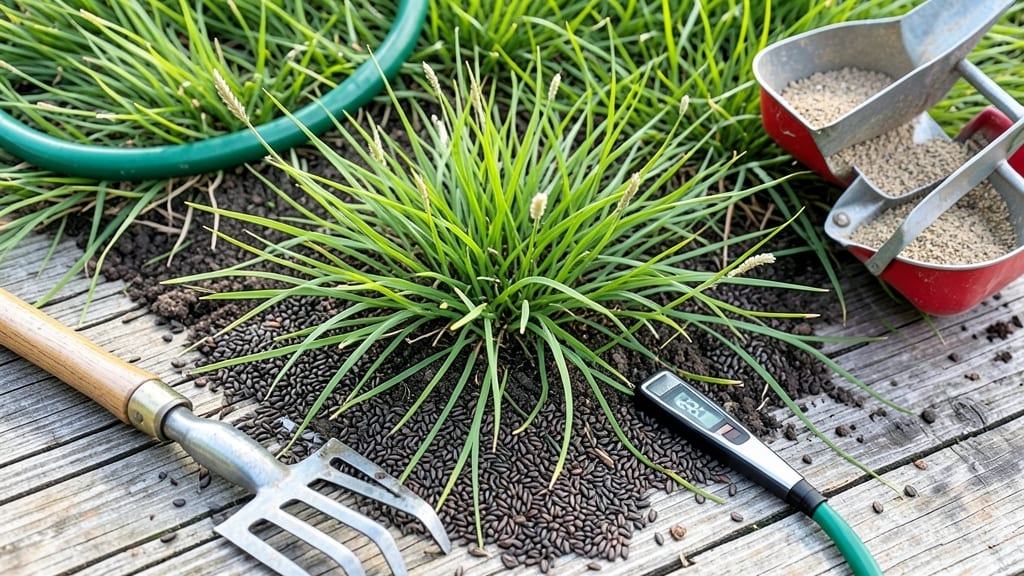
Planting Bermuda grass seed in Oklahoma between late spring and early summer 🌱 ensures it thrives in the state’s heat and drought—so you get a thick, green lawn that stays resilient all season.
But timing it wrong can mean wasted seed or patchy growth. The key is waiting until soil temperatures hit at least 65°F, which in Oklahoma’s 6b-7a zones usually lands in May. Too early, and the seed struggles; too late, and summer drought sets in before roots establish.
This guide breaks down the exact windows for spring vs. fall planting, soil prep tricks to beat Oklahoma’s clay-heavy dirt, and how to avoid common mistakes that kill germination. No more guessing—just a lush lawn that handles Oklahoma’s extremes.
You’ll learn how to test soil, time watering, and choose the right fertilizer for your region’s alkaline conditions. Let’s get that Bermuda grass growing strong from day one.
Oklahoma’s ideal Bermuda grass planting windows: spring vs fall deadlines explained
Bermuda grass thrives in Oklahoma’s heat but needs precise timing to establish strong roots. The best planting windows are late spring and early fall, when soil temperatures hover between 65°F and 85°F (18°C-29°C). This range ensures rapid germination without stressing young seedlings during extreme heat or cold snaps.
Oklahoma’s climate divides into North (USDA Zones 6b-7a) and South (Zones 7b-8a), creating slight timing differences. Northern regions should plant mid-April to early June, while Southern areas can extend until late June or early July for fall planting. These windows align with local frost dates and heat patterns.
Fall planting offers a hidden advantage: cooler temperatures reduce weed competition and water stress, giving Bermuda grass a head start. However, Southern Oklahoma’s longer growing season means fall planting must wrap up by mid-September to allow roots to establish before winter dormancy.
Missed the spring window? Don’t panic—Bermuda grass can still be planted in early summer (July), but success depends on consistent irrigation and shade cloth during peak heat. For Northern Oklahoma, this is riskier due to shorter summer windows.
Soil temperature is the critical factor, not calendar dates. Use a soil thermometer to confirm 65°F (18°C) minimum before planting. Cold soil delays germination, while temperatures above 90°F (32°C) can kill seeds before sprouting.
Here’s how Oklahoma’s climate zones break down for optimal planting:
Spring planting in Oklahoma rewards patience—wait until after the last frost date (March 15 for North, March 1 for South). Early spring planting risks frost damage, while late spring (June) offers faster establishment due to longer daylight hours.
Test soil moisture weekly; Bermuda grass needs 1 inch of water per week during germination.
For fall planting, focus on Northern Oklahoma first. By late August, Southern regions can still plant, but aim to finish by September 15 to avoid winter stress. Use a slow-release fertilizer (16-4-8 NPK) at planting to fuel early root growth without burning tender seedlings.
Pro tip: Mulch newly planted areas with straw or peat moss to retain moisture and regulate soil temperature. This is especially critical in Oklahoma’s sandy loam soils, which dry out quickly. Monitor for even moisture—never let the top inch dry out during germination.
Timing isn’t just about months—it’s about microclimates. Shady spots or low-lying areas may need 2-4 weeks earlier planting to compensate for cooler temperatures. Use a lawn thermometer to confirm readiness before investing in seed.
Remember: Bermuda grass is aggressive once established, but a poor start leads to thin, weak turf vulnerable to weeds. Follow these deadlines, and you’ll enjoy a dense, drought-resistant lawn that outcompetes weeds naturally. 🌱
How to prepare Oklahoma soil for Bermuda grass seed: pre-planting checklist
Oklahoma’s red clay and sandy loam soils can make or break your Bermuda grass seed success. Without proper prep, seeds may not germinate evenly, leading to patchy coverage. The key is creating a loose, nutrient-rich seedbed that holds moisture while preventing crusting—a common issue in our USDA zones 6b-7a.
Start by testing your soil’s pH level. Bermuda grass thrives in slightly acidic to neutral soil, ideally between 6.0 and 7.0. Oklahoma’s native soils often lean alkaline, so you may need to add sulfur or peat moss to adjust.
Grab a soil test kit from your local garden center for precise results.
Once you’ve adjusted the pH, it’s time to till. Use a rototiller to loosen the top 4-6 inches of soil. This depth ensures roots can penetrate easily while breaking up compacted clay layers. For sandy soils, avoid over-tilling, as it can create a powdery texture that washes away during watering.
After tilling, spread a 2-3 inch layer of compost or well-rotted manure across the area. This boosts organic matter, improves water retention, and provides essential nutrients for young seedlings.
For clay-heavy soils, mix in sand or perlite to enhance drainage. Rake the compost lightly to avoid creating a thick layer that could suffocate seeds.
Now for the critical step: watering schedule. Bermuda grass seeds need consistent moisture to germinate, but Oklahoma’s intense sun can cause the soil surface to crust over, blocking light and air. Water deeply 72 hours before planting and maintain moisture until germination (about 7-14 days).
Use a sprinkler with fine mist to avoid displacing seeds or creating runoff.
Finally, apply a starter fertilizer with a 16-4-8 NPK ratio at a rate of ½ lb per 100 sq ft. This provides the nitrogen, phosphorus, and potassium needed for rapid root and shoot growth.
Work the fertilizer into the top inch of soil with a rake, then lightly water again to activate it. Avoid over-fertilizing, as excess salts can harm young seedlings.
With these steps, your Oklahoma soil will be primed for Bermuda grass seed to germinate quickly and establish a thick, drought-resistant lawn. The key is patience—don’t rush the prep, and your grass will reward you with vibrant growth all summer long. 🌱