
Plants
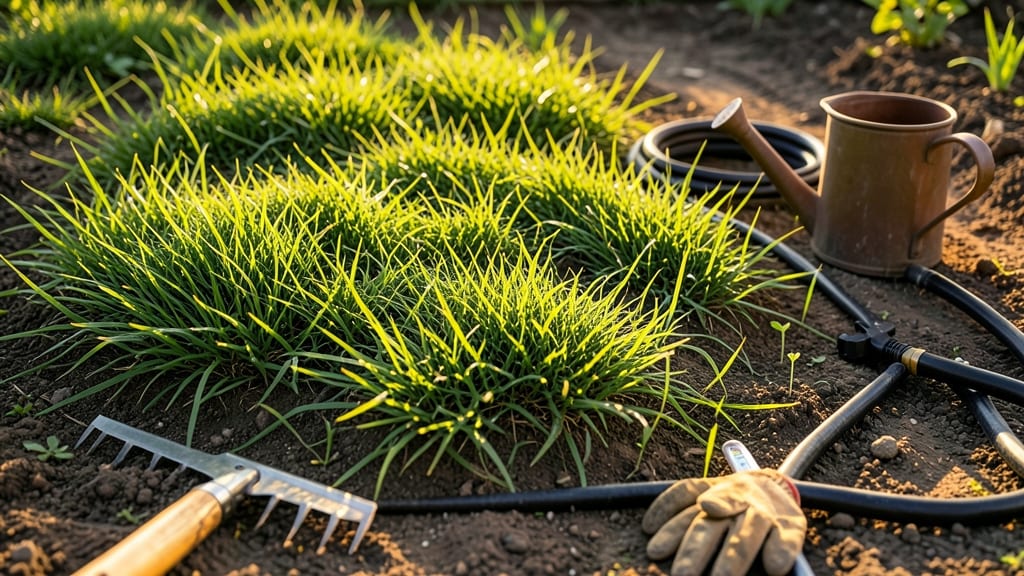
Planting Bermuda grass seed in Texas at the right time means the difference between a fast, thriving lawn and months of frustration.
If you’ve ever watched your 🌱 Bermuda grass seeds sprout unevenly or struggle in the heat, you know timing isn’t just about seasons—it’s about soil temperatures, local climate zones, and even the last frost date. Get this wrong, and you’re stuck with patchy growth or wasted seed.
Texas’s 8a-10b zones demand precision: North Texas needs warmer soil before planting, while South Texas can start earlier. The ideal window? Late spring to early summer, when soil hits 65°F+ and stays there.
Here’s how to pick the perfect month for your zone, prep your soil like a pro, and ensure your Bermuda grass takes off fast—without the guesswork.
Best months to plant Bermuda grass seed in Texas by climate zone
Texas’s vast climate zones create dramatic differences in when to plant Bermuda grass seed. Unlike cooler climates, Bermuda thrives in heat and drought, but planting too early or late can lead to poor germination or fungal issues.
The key is waiting until soil temperatures consistently reach 85°F+—a threshold that varies by region. North Texas gardeners face cooler springs, while South Texas can plant earlier in the year.
For North Texas (USDA Zones 8a-8b), the ideal window is late May through June, after the last frost risk (typically by mid-February) and when daytime highs reliably exceed 90°F.
Central Texas (Zones 8b-9a) can start as early as mid-April, but late spring (May-June) remains the safest bet. In South Texas (Zones 9b-10b), you can plant Bermuda grass seed as early as March, but peak success comes in April-May before summer’s intense heat.
Soil temperature is your best guide—use a soil thermometer to confirm 85°F+ at 4-inch depth before planting. Cool mornings or lingering spring rains can delay germination, so avoid seeding until the ground is consistently warm. Late summer planting (August-September) is also viable in most zones, giving seeds time to establish before winter dormancy.
In North Texas, the late spring window (May-June) is critical because early planting risks fungal diseases from lingering moisture. Use a soil thermometer to confirm warmth—Bermuda grass seeds won’t germinate below 85°F.
Central Texas’s warmer springs allow earlier planting, but April rains can delay germination, so prioritize May-June for reliability.
For South Texas, March planting is possible in the southernmost regions (e.g., Brownsville, McAllen), but most areas benefit from waiting until April-May. The humidity and heat in this zone accelerate growth but also increase fungal pressure, so avoid overhead watering and use fungicide preventatives if seeding early.
If you miss the spring window, don’t worry—late summer (August-September) is a secondary planting time across all Texas zones. This strategy lets seeds establish before fall rains and winter dormancy.
However, reduce watering in late summer to prevent over-saturation, which can suffocate young roots. Mulch lightly with straw to retain moisture without compacting soil.
One common mistake is planting Bermuda grass seed too early in hopes of a head start. Cool soil and spring rains create ideal conditions for fungal diseases like brown patch.
Conversely, waiting until July-August can stress seeds in peak summer heat, especially in North Texas. The sweet spot is when daytime highs are 90°F+ and nights stay above 70°F.
Pro tip: Test your soil’s pH before planting—Bermuda grass prefers 6.0-7.0. In clay-heavy soils (common in East Texas), amend with sand or compost to improve drainage.
For sandy soils (West Texas), add organic matter to retain moisture. Pre-irrigate the area 24 hours before seeding to ensure seeds make contact with damp soil.
After planting, maintain consistent moisture (1-1.5 inches per week) for the first 4-6 weeks to encourage root development. In North Texas, this means daily watering in summer; in South Texas, reduce to every other day to avoid fungal issues.
Once established, Bermuda grass is drought-tolerant, but young seedlings need steady care.
Remember: Timing is everything with Bermuda grass in Texas. Whether you’re in Dallas, Austin, or Houston, align your planting with soil temperatures, not just calendar months. With the
Critical factors that determine Bermuda grass seed planting success in Texas
Beyond just picking the right month, Bermuda grass seed success in Texas hinges on three critical factors: soil preparation, watering strategy, and post-planting care. Skipping any of these steps can leave your lawn thin, patchy, or vulnerable to weeds.
For example, planting in cool soil below 65°F forces seeds to linger, inviting fungal infections like brown patch disease.
Texas’s clay-heavy soils in North Texas or sandy soils in South Texas require different prep work. Clay needs aeration to break compaction, while sandy soil demands extra organic matter to retain moisture. Without proper prep, seeds may not make consistent contact with the soil, leading to uneven germination.
Here’s the truth: 80% of Bermuda grass failures in Texas stem from poor watering habits. Light misting keeps seeds damp but doesn’t encourage deep root growth.
Instead, aim for 1-1.5 inches of water per week, applied deeply in the early morning to prevent fungal spores from thriving in evening moisture.
Planting Bermuda grass seed before soil reaches 65°F+ triggers slow germination and fungal risks. Conversely, waiting until August in North Texas means seeds struggle with late-summer heat stress and dry soil.
Risk Assessment:
- Before May 15: Seeds rot or sprout weakly (⚠️ High fungal risk)
- After July 15 (North TX): Heat shock kills seedlings (⚠️ Low survival rate)
- South TX: Can extend window to June 30 due to warmer microclimates
Weed competition is another silent killer. Bermuda grass germinates slowly—10-14 days in ideal conditions—while weeds like crabgrass and dandelions sprout in just 3-5 days. Pre-emergent herbicides applied 2 weeks before planting can buy your grass the time it needs to establish a competitive root system.
Post-planting, focus on mowing height and fertilizer timing. Avoid cutting grass shorter than 1.5 inches until it’s fully established (typically 6-8 weeks after planting). Over-fertilizing with high nitrogen too early can burn tender seedlings, while under-fertilizing leaves them weak against weeds.
Pro tip: Use a soil thermometer to monitor temperatures daily. Bermuda grass seeds need consistent warmth—if temps dip below 60°F at night, germination stalls. In South Texas, this means planting as early as late April, while North Texas gardeners should wait until mid-May.
By mastering these factors, you’ll turn patchy lawns into dense, drought-resistant turf in just 60-90 days. The key? Patience and precision—Texas heat doesn’t forgive mistakes, but with the right care, your Bermuda grass will thrive year after year. 🌱