
Plants
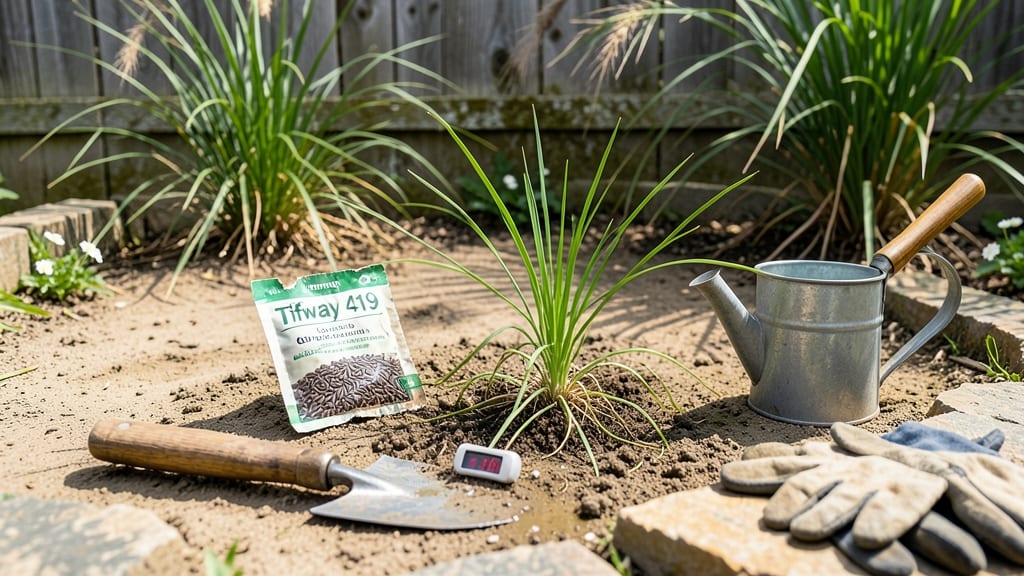
Planting Bermuda seed in Arizona means timing it right to beat the heat—aim for March to May or August to September when soil stays warm and monsoon rains help roots take hold.
Arizona’s scorching summers make timing everything when planting Bermuda grass seed—get it wrong, and your lawn could struggle to establish before the heat sets in. But with the right schedule, you’ll have a lush, drought-resistant yard by monsoon season.
Low-desert areas like Phoenix have earlier windows (late February to early May), while high-desert zones like Flagstaff wait until late April or May to avoid late frosts. The key? Soil temperatures must stay above 65°F for consistent germination.
Below, I break down the best months by region, how to prep soil for Arizona’s dry climate, and why aligning planting with monsoon season is your secret weapon for a thick, green lawn.
Arizona’s Bermuda grass planting calendar: month-by-month heat zones
Arizona’s extreme climate demands precision when planting Bermuda grass seed—soil temperatures below 65°F or late-season heatwaves can stall germination. The low desert (Phoenix) and high desert (Flagstaff) have distinct planting windows due to frost risk and monsoon timing.
My strategy? Plant when daytime highs hit 85°F+ but before the July-August monsoon arrives to avoid fungal issues.
Low-desert zones like Phoenix thrive with March-May planting, while high-desert areas near Flagstaff wait until late April or May. The transitional zones (e.g., Sedona) split the difference with April planting.
Each region’s schedule aligns with soil warmth, rainfall patterns, and frost-free guarantees—critical for Bermuda’s aggressive root growth.
Here’s my month-by-month breakdown with temperature thresholds, soil prep steps, and regional adjustments to maximize germination success:
| Month | Low Desert (Phoenix) | High Desert (Flagstaff) | Transitional Zones | Soil Temp (°F) |
|---|---|---|---|---|
| February | ❌ Too risky (frost possible) | ❌ Frost danger | ❌ Avoid | 55–65°F |
| March | ✅ Ideal start (soil warms) | ⚠️ Early risk (wait for 65°F+) | ✅ Good if frost-free | 65–75°F |
| April | ✅ Peak window (monsoon prep) | ✅ Best month (soil stable) | ✅ Optimal | 70–80°F |
| May | ✅ Last chance (before extreme heat) | ✅ Still viable | ✅ Good (avoid late May) | 75–85°F |
| June | ❌ Too hot (fungal risk) | ❌ Avoid | ❌ Skip | 90°F+ |
| August | ✅ Fall prep (monsoon over) | ✅ Late planting | ✅ Possible | 75–85°F |
| September | ✅ Last fall window | ✅ Best fall option | ✅ Good | 70–80°F |
For Phoenix and low-desert areas, March is your sweet spot—soil warms to 68–72°F by mid-month, and Bermuda seeds germinate in 7–14 days with consistent moisture. I recommend pre-soaking seeds for 24 hours to combat Arizona’s dry air, then planting afternoon showers to reduce evaporation.
High-desert regions like Flagstaff demand patience—wait until May when nighttime temps stay above
How to time Bermuda seed planting for Arizona’s monsoon transition
Arizona’s monsoon season isn’t just about dramatic downpours—it’s your secret weapon for establishing Bermuda grass. Planting too early risks frost damage, while waiting too late means battling intense summer heat before roots take hold.
The sweet spot? Late May through early July, when soil stays warm and monsoon rains kick in to hydrate new seedlings.
Bermuda grass thrives on consistent moisture and warmth, but Arizona’s climate throws curveballs. If you plant in April or earlier, seedlings may dry out before monsoons arrive.
Conversely, July plantings risk heat stress before roots establish. The key is aligning your schedule with soil temperatures above 75°F and monsoon predictions.
- 1Late May: Soil warms to 75°F+, reducing drought risk before monsoons.
- 2June: Monsoon rains begin, providing natural irrigation for 2-3 weeks of critical growth.
- 3Early July: Last chance to plant before peak heat (100°F+), but requires daily watering.
- 4Avoid August: Soil may dry too fast, and overwatering risks fungal growth.
Leverage monsoon season by planting 2-3 weeks before the first predicted downpours. Check the National Weather Service for Arizona’s monsoon onset—typically mid-June to early July. This gives seedlings 3-4 weeks of warm soil and minimal irrigation stress before rains arrive.
For high-desert areas (e.g., Flagstaff), delay until early July to escape late-spring frosts. Low-desert zones (Phoenix) can start as early as late April, but cover seeds with straw to retain moisture until monsoons begin. Always test soil temperature with a soil thermometer—aim for 75°F+ for optimal germination.
Post-planting, water deeply every 2-3 days until monsoons arrive. Bermuda grass needs 1 inch of water weekly, but shallow watering encourages shallow roots. Once established, it becomes drought-tolerant, but seedlings need consistent moisture to compete with weeds.
Timing isn’t just about months—it’s about weather patterns. Use Arizona’s monsoon transition as your guide: plant when daytime highs hit 95°F+ and nighttime lows stay above 70°F. This ensures your Bermuda grass roots deep and thrives before Arizona’s brutal summer heat peaks.