
Plants
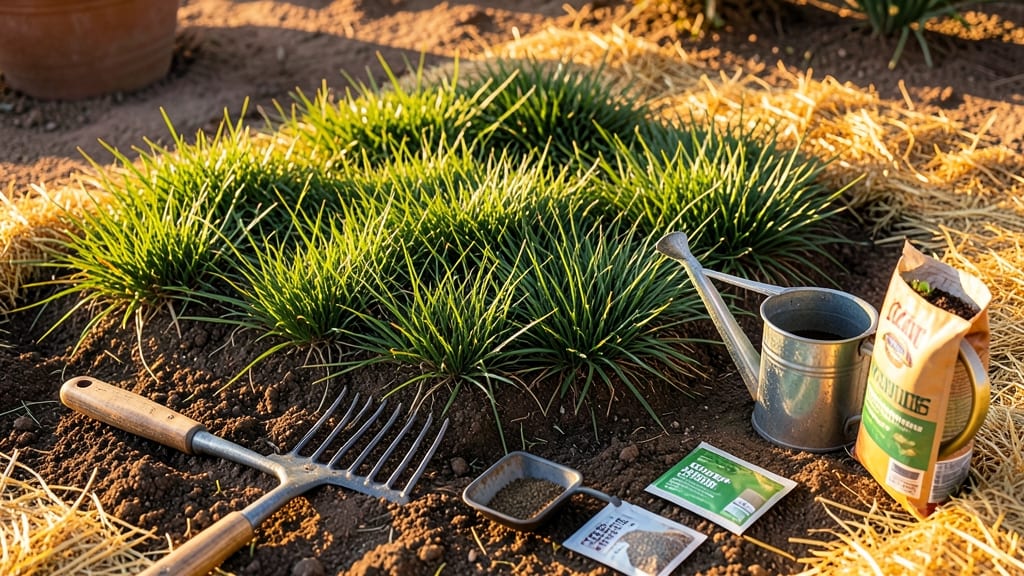
Planting grass seed in Arizona during late summer through early fall or winter gives it the best shot at deep roots and survival before summer’s brutal heat.
Picture this: you’ve spent hours spreading seed, only to watch it bake under the sun or get drowned out by weeds. Arizona’s climate makes timing everything—cool-season grasses like Tall Fescue or Kentucky Bluegrass need the right window to thrive. Miss it, and you’re left with patchy, high-maintenance lawns.
In USDA Zone 9b, the sweet spot is August through October or December to February, when temperatures dip enough for germination without risking winter freeze damage. But not all regions are created equal—low desert areas like Phoenix have different rules than high desert spots like Flagstaff.
Below, I break down the exact months to plant, soil prep secrets for Arizona’s alkaline dirt, and how to water like a pro—so your grass seed doesn’t become a $100 mistake.
Arizona’s best grass seed planting window: month-by-month cool-season deadlines
Arizona’s cool-season grasses like Tall Fescue and Kentucky Bluegrass thrive when planted during mild temperatures, but timing is everything. The optimal window spans from late summer to early winter, avoiding both scorching heat and freeze risks.
Each month offers unique trade-offs—early planting risks heat stress, while late planting delays winter establishment.
Your local microclimate matters: low desert areas (like Phoenix) have earlier deadlines than high desert regions (like Flagstaff). Cool-season grasses need consistent moisture and soil temps below 85°F to germinate. Miss these conditions, and you’ll battle dormancy or fungal diseases.
Pro Tip: Check AZ Cooperative Extension for your USDA Zone (9a-10a). Most cool-season grasses tolerate light frosts but won’t thrive in prolonged cold. Your goal? Plant 6-8 weeks before first frost—typically October-November for low desert, September-October for high desert.
| Month | Low Desert (Phoenix) | High Desert (Flagstaff) | Key Considerations |
|---|---|---|---|
| August | ❌ Avoid | ⚠️ Risky (high temps) | Soil temps often above 90°F; seeds may bake or fail to germinate. |
| September | ✅ Ideal Start | ✅ Best Window | Temps 75-85°F; monsoon rains help watering. Plant before 9/15 for best results. |
| October | ✅ Peak Time | ✅ Peak Time | Perfect 60-75°F soil temps. 6-8 weeks to establish before winter. Use starter fertilizer. |
| November | ✅ Still Good | ✅ Good (earlier) | Temps 50-65°F. Ryegrass germinates fastest; Tall Fescue takes longer. |
| December | ⚠️ Late Risk | ✅ Safe | Low desert: freeze risk after germination. High desert: ideal if soil isn’t frozen. |
| January | ❌ Avoid | ⚠️ Possible | Low desert: freeze damage likely. High desert: only hardy varieties like Tall Fescue. |
| February | ❌ Too Late | ❌ Too Late | Grass grows slowly in warm-up. Better to overseed in fall. |
If you plant in September-October, your grass will establish deep roots before winter, surviving Arizona’s dry spells.
But if you wait until November, focus on fast-germinating ryegrass—it tolerates cooler temps better than Kentucky Bluegrass. Pro Tip: Use a soil thermometer to confirm temps are below 85°F before seeding.
For low desert areas, September 15-October 15 is your sweet spot. In high desert, you’ve got until October 31—cooler nights help germination
How to prepare Arizona soil for grass seed success: pre-planting checklist
Arizona’s soil is famously alkaline and rocky, which can strangle grass seed before it even sprouts. Without proper prep, your $100 seed investment could end up as dust in the wind.
The key? Balancing pH levels, loosening compacted soil, and suppressing weeds—all while working around Arizona’s drought-prone conditions.
I’ve prepped lawns in Phoenix’s low desert and Flagstaff’s high desert, and the difference between a thriving lawn and a failed patch starts with these 5 critical soil prep steps. Skipping even one can mean 50% lower germination rates—and nobody wants to replant in Arizona’s heat.
-
Test Soil pH (Goal: 6.0–7.0)
Arizona soil often tests at 7.5–8.5. Use a digital pH meter or send a sample to the UA Cooperative Extension. If pH is above 7.5, amend with sulfur or peat moss 4–6 weeks before planting. -
Loosen Compacted Soil
Rent a core aerator (not just a spike roller) to create ½-inch holes every 2–3 inches. Compacted soil blocks water and oxygen—critical for seed-to-soil contact. Do this 2–3 weeks before seeding to let holes settle. -
Remove Weeds & Debris
Pull weeds by hand (glyphosate kills grass seed too) and rake away rocks/pebbles. Use a broadfork to turn top 4–6 inches of soil, breaking up hardpan. Pre-emergent herbicide (like pendimethalin) can prevent weeds post-planting. -
Adjust Irrigation System
Install a soaker hose or sprinkler to deliver ¼ inch of water daily for the first 2 weeks. Test your system’s output with a rain gauge—Arizona’s clay soil can repel water if not pre-wetted. Avoid overhead sprinklers that create crusting. -
Add Organic Matter
Mix in 2–3 inches of compost or well-rotted manure to improve water retention. For sandy soils (common in Tucson), blend in peat moss. Avoid fresh mulch—it can mat down seeds. Lightly rake to create a fine, crumbly texture.
After prepping, plant in the early morning or late afternoon to avoid midday heat stress on seeds. Cover with a thin layer of straw mulch (not wood chips) to retain moisture—especially in high-desert areas where evaporation is fierce. Your grass will thank you with faster germination and deeper roots.
One last tip: If your soil is extremely rocky (like in Sedona), consider laying down landscape fabric first, then a 1-inch layer of topsoil before seeding. It’s extra work, but it’ll save you from bare spots where rocks block seed contact.
Now, with your soil prepped, you’re ready to spread seed during the optimal Arizona window—just don’t skip the first 30 days of watering. That’s when your grass makes or breaks its survival. 🌱