
Plants
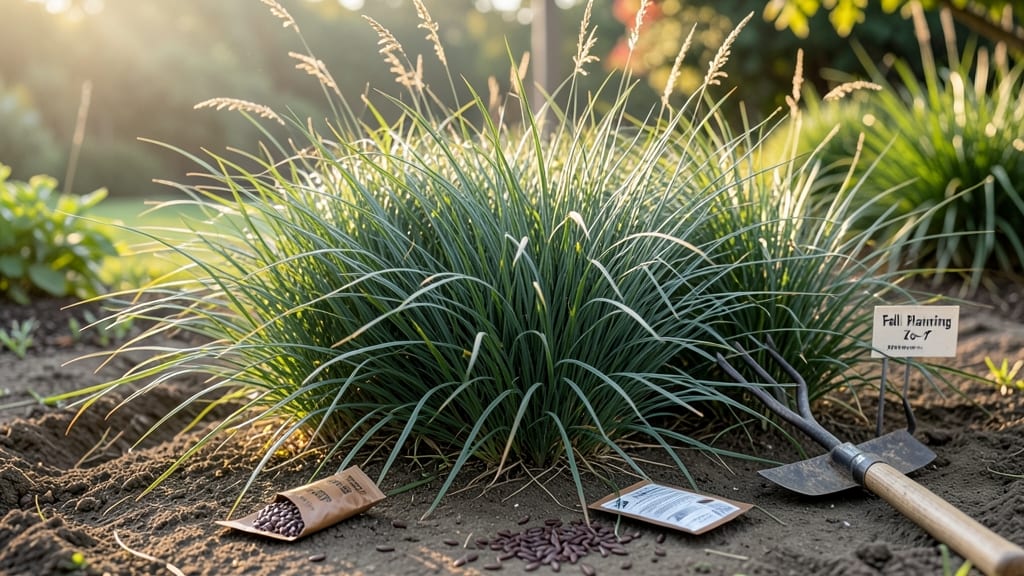
Planting fescue grass seed in Tennessee at the right time—early spring or early fall—makes all the difference between a lush lawn and a struggle.
Tennessee’s unpredictable climate—from early spring freezes to scorching summer heat—can make or break your fescue lawn if you plant at the wrong time. Timing isn’t just about avoiding frost; it’s about maximizing root establishment before dormancy sets in.
For USDA Zones 6a-8a, the ideal window is March-April or August-September, when soil temps hover between 50-65°F. Plant too early, and seedlings risk frost damage; too late, and summer heat stresses them before roots take hold.
Below, I’ll break down the exact frost-free windows by zone, how to adjust for Tennessee’s microclimates, and the one trick that keeps your fescue thriving year after year.
Best planting months for fescue grass in Tennessee by hardiness zone
Tennessee’s USDA hardiness zones 6b-7a create a unique challenge for planting fescue grass seed. Unlike northern states, Tennessee’s late spring freezes and humid summers demand precise timing to avoid seedling stress or summer dormancy.
The key is planting when soil temperatures stay between 50-65°F for at least 100 days before the first frost.
Most Tennessee gardeners succeed by planting fescue grass seed in either early spring (March-April) or early fall (August-September). These windows align with soil temperature and moisture availability to ensure strong root development.
However, microclimates in cities like Nashville, Knoxville, and Chattanooga can shift these ideal windows by 2-4 weeks.
Here’s a breakdown of the best planting months for each Tennessee hardiness zone, along with soil temperature guidelines and the 100-day rule to avoid summer dormancy:
| Zone | Best Planting Months | Soil Temp (°F) | First Frost Date | 100-Day Window |
|---|---|---|---|---|
| 6b (Northeast TN) | March 15 - April 15 August 15 - September 15 |
50-65°F | November 15 | Plant by August 15 for fall |
| 7a (Middle TN) | March 1 - April 10 August 1 - September 10 |
50-65°F | November 1 | Plant by August 1 for fall |
| 7a (Nashville) | March 10 - April 5 August 10 - September 5 |
50-65°F | October 31 | Plant by August 10 for fall |
| 7a (Knoxville) | March 20 - April 10 August 20 - September 10 |
50-65°F | November 5 | Plant by August 20 for fall |
| 7a (Chattanooga) | March 5 - April 5 August 5 - September 5 |
50-65°F | October 25 | Plant by August 5 for fall |
Note: Adjust planting dates 1-2 weeks earlier for shady areas or higher elevations.
For Zone 6b in Northeast Tennessee, aim to plant fescue grass seed between March 15 and April 15 for spring or August 15 and September 15 for fall. The 100-day rule means you must plant by August 15 to ensure roots establish before the first frost around November 15.
In Zone 7a, which covers most of Middle Tennessee, including Nashville and Knoxville, the window shifts slightly earlier.
Plant between March 1 and April 10 in spring or August 1 and September 10 in fall. Chattanooga’s slightly warmer microclimate allows for an even earlier start, with ideal dates from March 5 to April 5.
Use a soil thermometer to confirm temperatures before planting. If soil is below 50°F, wait—cold soil slows germination and weakens seedlings. For overseeding an existing lawn, follow the same timing but reduce seed rates by 30-50% to avoid competition.
After planting, maintain consistent moisture for the first 30 days to encourage root growth. Avoid walking on new seed until it reaches 3-4 inches tall, which typically takes 4-6 weeks in ideal conditions. In humid Tennessee summers, mulch lightly with straw to retain moisture and prevent crusting.
If you miss the ideal window, don’t despair—fescue grass can tolerate light frost once established. However, planting in late spring (May-June) risks summer dormancy due to heat stress. For late plantings, use shade cloth to protect seedlings until temperatures drop in fall.
Pro tip: Mark your USDA zone on a calendar and set reminders for soil temperature checks in March and August. Tennessee’s unpredictable weather means flexibility is key—always have a
How to adjust planting for Tennessee’s unpredictable spring weather
Spring in Tennessee is a rollercoaster—one week you’re planting, the next you’re covering seedlings with frost cloth. The key to success with fescue grass seed is flexibility. Unlike annuals, fescue thrives when planted in 50-65°F soil, but a late freeze can wipe out your progress in days.
I’ve learned the hard way that waiting for the "perfect" window often means missing it entirely.
Start by checking your local frost forecast (not just the calendar). The National Weather Service’s frost probability maps are your best friend here. For USDA Zone 6a (eastern TN), aim for April 15 or later, while Zone 7a (Middle TN) can start as early as March 20.
But if a 32°F warning pops up, delay planting until soil warms consistently.
Here’s the one trick I use: the 100-day rule. Plant your fescue 100 days before your first expected frost (check your zone’s average). This ensures roots establish before dormancy kicks in.
For example, if frost hits November 15, plant by August 15 for fall success—or April 15 for spring.
⚠️ Emergency Planting? Protect Seedlings Like a Pro
If you must plant early and a frost warning hits, cover seedlings immediately with frost cloth or row covers. Secure edges with bricks or soil to prevent wind damage. For extra protection, use burlap sacks over stakes—it traps heat better than plastic. Remove covers by 10 AM to avoid overheating.
Don’t rely on calendar dates—soil temperature is your real guide. Use a soil thermometer (just $10 at garden centers) to confirm 50°F+ at 2-inch depth.
If it’s cooler, wait. Pro tip: Morning soil temps are often 5-10°F cooler than afternoon readings. Plant in the late afternoon when soil has warmed.
For delayed springs (like 2023’s late frost in Nashville), switch to shade-tolerant fescue varieties like ‘Kentucky 31’ or ‘Turf-Type Tall Fescue’. These handle cooler soils better and recover faster from frost. Pair this with a starter fertilizer (high phosphorus) to jumpstart root growth in marginal conditions.
Remember: Watering depth > frequency. After planting, soak the soil 1 inch deep daily for the first week, then taper to 2-3 times weekly. Shallow watering encourages shallow roots—exactly what you don’t want when Tennessee’s summer heat hits.
Use a rain gauge to track moisture; your lawn needs 1-1.5 inches per week, rain or not.