
Plants
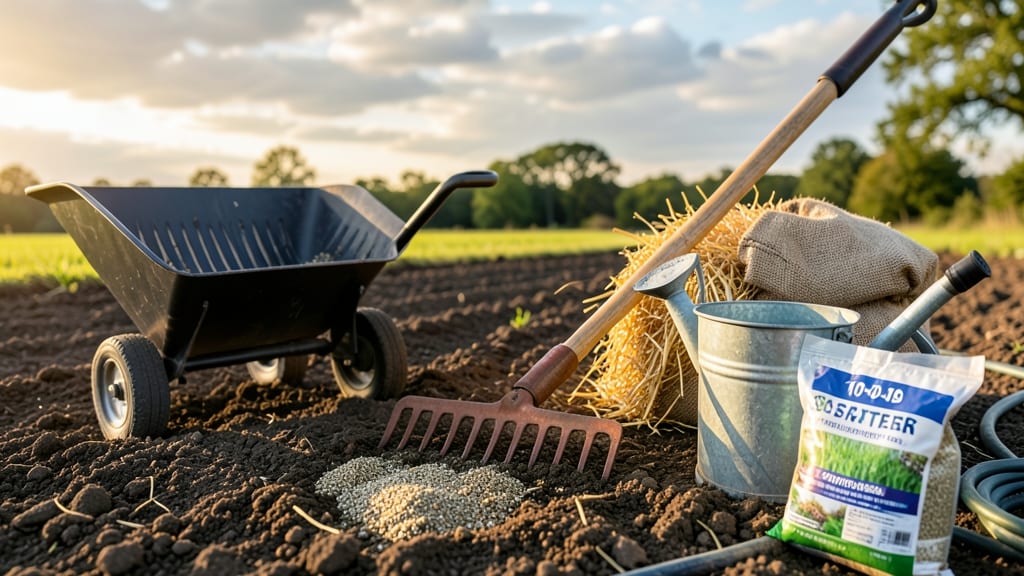
Planting grass seed in Alabama at the right time means the difference between a lush, weed-free lawn and a battleground of bare patches and weeds.
Alabama’s hot summers and unpredictable weather can make timing your grass seed 🌱 planting critical—get it wrong, and you’ll battle weeds, drought, or poor germination. But with the right schedule, you can grow a lawn that stays green year-round.
The best windows are early spring (March–April) when soil warms and late fall (August–September) before winter dormancy sets in. North Alabama’s cooler climate shifts these deadlines slightly, while coastal areas can extend the season.
Below, I break down the exact planting windows by region, how to prep your soil for Alabama’s clay-heavy dirt, and the 3 grass types that thrive here—plus the mistakes that kill even the best-laid plans.
Best Alabama grass seed planting windows: spring vs fall deadlines
Alabama’s climate zones create distinct planting windows for grass seed—getting the timing right means the difference between a thick, weed-free lawn and a battleground for crabgrass.
The 6-week windows I’m about to share are based on soil temperatures, rainfall patterns, and regional frost dates that vary from North Alabama’s cooler hills to South Alabama’s humid coast. Let’s break down the best times to plant for your specific area.
For North Alabama (USDA Zones 7a-7b), your last frost date typically falls between mid-March and early April, while South Alabama (Zones 8a-8b) can push planting into late April or even May without frost risk.
Meanwhile, fall planting must start before soil temperatures drop below 60°F, which happens earlier in the north than the south. These differences mean your planting deadline could shift by 2-3 weeks depending on where you live.
Here’s the golden rule: Plant grass seed when soil temperatures are consistently between 60°F and 75°F. This range ensures optimal germination rates and helps young grass roots establish before summer heat or winter dormancy sets in.
In Alabama, that means two prime windows: early spring (March-April) and late summer/early fall (August-September). Let’s dive into the specifics for your region.
| Region | Spring Window | Fall Window | Soil Temp Goal | Key Consideration |
|---|---|---|---|---|
| North Alabama (Huntsville, Decatur) | March 15 - April 30 | August 15 - September 15 | 60°F - 70°F | Watch for late frosts; use cool-season grasses like tall fescue. |
| Central Alabama (Birmingham, Montgomery) | March 1 - April 15 | August 1 - September 30 | 65°F - 75°F | Transition zone—consider warm-season grasses for summer resilience. |
| South Alabama (Mobile, Gulf Shores) | February 15 - April 30 | September 1 - October 15 | 70°F - 75°F | Humidity and heat favor Bermuda or Zoysia; plant early to avoid summer stress. |
| Microclimates (Urban Heat Islands) | April 1 - May 15 (delayed) | July 15 - August 30 (extended) | 60°F - 72°F | Cities like Birmingham stay warmer—adjust windows by 1-2 weeks later. |
If you’re in North Alabama, aim to plant cool-season grasses like tall fescue or ryegrass between March 15 and April 30. This window gives seeds time to germinate before summer heat arrives.
For fall planting, start by August 15—any later, and soil temperatures may drop too quickly for strong root development. In Central Alabama, you’ve got a bit more flexibility: March 1 to April 15 for spring and August 1 to September 30 for fall.
This region’s transition climate lets you experiment with mixed grass types for year-round coverage.
For South Alabama’s warmer climate, you can push spring planting into late April and even May for warm-season grasses like Bermuda or Zoysia. Fall planting here extends to mid-October, but don’t wait too long—soil temps drop faster near the coast.
If you’re in Mobile or Gulf Shores, prioritize shade-tolerant varieties like St. Augustine to handle the humidity. Pro tip: Use a soil thermometer to confirm temps are in your target range before planting.
Microclimates—like urban heat islands in cities such as Birmingham or Huntsville—can shift your planting windows by 1-2 weeks. Paved surfaces and buildings trap heat, keeping soil warmer longer. If your lawn is in a sunny, paved-surrounded area, delay spring
How to choose the right grass type for Alabama’s planting seasons
Alabama’s climate demands a strategic approach to grass selection—cool-season grasses like tall fescue and ryegrass thrive in spring and fall, while warm-season types such as Bermuda and zoysia dominate summer’s heat.
Your choice hinges on soil type, sun exposure, and maintenance tolerance, with Alabama’s clay-heavy soils requiring extra prep.
North Alabama’s cooler microclimates favor cool-season grasses planted in March–April, while southern regions lean toward warm-season varieties seeded in late May–June. Sandy soils drain faster, speeding up germination, while clay holds moisture longer, risking fungal issues if overwatered.
Cool-Season Grasses (Spring/Fall Planting)
| Type | Pros | Cons |
|---|---|---|
| Tall Fescue | Drought-resistant, shade-tolerant, stays green in mild winters | Slower establishment, needs frequent mowing |
| Ryegrass | Fast germination, great for overseeding, cold-hardy | Short-lived, prone to thatch buildup, needs replanting |
Warm-Season Grasses (Summer Planting)
| Type | Pros | Cons |
|---|---|---|
| Bermuda | Heat/drought-tolerant, recovers from wear, fast-growing | Invasive roots, goes dormant in winter, needs full sun |
| Zoysia | Low-maintenance, drought-resistant, soft texture | Slow to establish, browns in winter, needs sharp mowing |
For clay soils, amend with compost or sand to improve drainage before planting tall fescue in spring. Sandy soils pair best with Bermuda grass for its aggressive root system. Always test your soil’s pH (5.8–7.0 ideal)—Alabama’s natural acidity can stunt growth if unchecked.
Mixing cool-season and warm-season grasses (e.g., tall fescue + Bermuda) creates a year-round green lawn, but requires precise planting schedules. Start with Bermuda in late May and tall fescue in early September for seamless transitions. Overlap germination periods by 2–3 weeks to avoid bare patches.
If you’re in Mobile or coastal Alabama, prioritize salt-tolerant zoysia over Bermuda, which struggles in humid, high-salinity zones. For Birmingham’s inland climate, tall fescue blends offer the best balance of shade tolerance and heat resilience.
Remember: Water deeply after planting—1/2 inch per week for the first 4 weeks—regardless of grass type. Alabama’s erratic rainfall means relying on drip irrigation or soaker hoses for consistent moisture.