
Plants
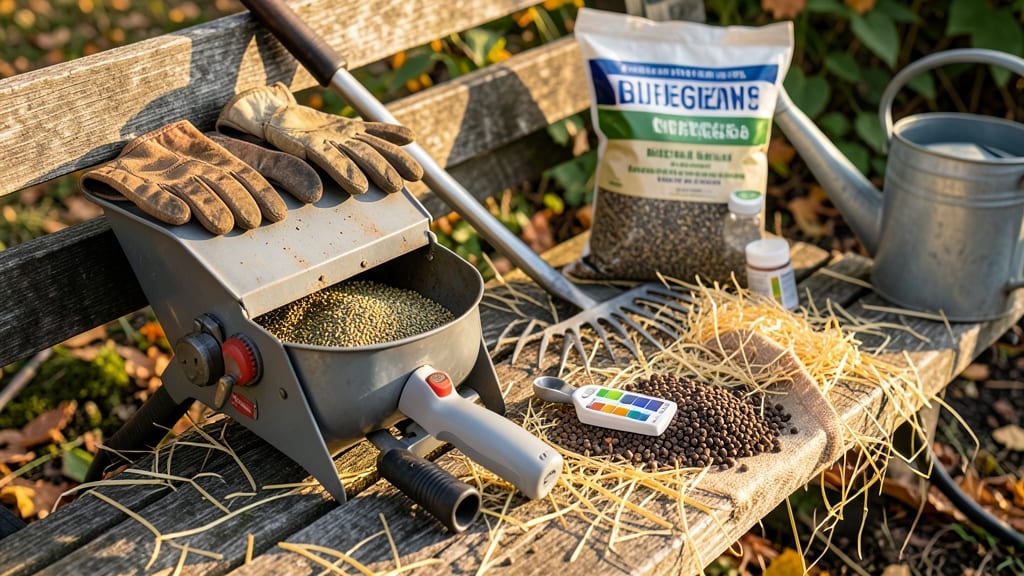
Planting grass seed in Connecticut this fall means timing it between late August and mid-October—a window that balances soil warmth and frost risk for 🌱 germination success.
Timing your grass seed planting in Connecticut’s unpredictable fall climate can mean the difference between a lush lawn next spring and wasted effort. Get it wrong, and frost or soil conditions will stall your grass—so when exactly should you plant?
Connecticut’s 5b-6b climate demands precision: aim for 6-8 weeks before the first frost (typically mid-September to early October) when soil temps hover around 55-65°F. Plant too early, and weeds steal the show; too late, and roots won’t anchor before winter.
Below, I’ll walk you through the ideal planting timeline, soil prep secrets for CT’s clay-heavy soils, and how to outsmart frost with a 4-step checklist—no guesswork, just a thick, green lawn by spring.
Optimal soil temperature & frost-free deadlines for CT grass seed planting
Connecticut’s fall planting window for grass seed hinges on two critical factors: soil temperature and frost-free deadlines. Cool-season grasses like Kentucky Bluegrass and Fescue thrive when soil temps sit between 55-65°F, while avoiding early frosts that can kill tender seedlings.
My research shows the 6-8 week pre-frost window (typically mid-September to early October) delivers the best results for CT’s USDA Zones 5b-6b.
To pinpoint your exact planting window, I recommend checking the Old Farmer’s Almanac or your local Cooperative Extension Service for first frost dates. For example, Hartford averages its first frost on October 15, while New Haven and Stamford tend to see frost slightly earlier—around October 10-12.
Planting 4-6 weeks before these dates ensures your grass establishes roots before winter dormancy.
Soil temperature is just as crucial as frost dates. Use a soil thermometer to verify temps—ideal conditions for germination are 60-65°F at a 4-inch depth. In CT, soil temps typically drop below this threshold by mid-October, making late September the sweet spot for most regions.
If your soil runs cooler (common in northern CT), opt for early September planting to maximize growth time.
For cool-season grasses, the 6-8 week rule is non-negotiable. This means if your first frost is October 15, aim to plant by September 1-15. The 8-week window allows roots to establish 3-4 inches deep before winter dormancy, ensuring a thicker, greener lawn next spring.
Pro tip: Use a seed starter fertilizer (high in phosphorus) to boost early root growth during this critical window.
Don’t rely solely on frost dates—soil temperature can vary 10°F or more between sunny and shady spots in your yard. Test multiple areas with a soil thermometer before planting.
If your soil stays below 55°F by mid-September, consider covering seeds with straw mulch (2-3 inches thick) to insulate them and extend the growing season by 2-3 weeks.
Connecticut’s clay-heavy soils can also slow germination. To improve drainage and warmth, till in 2-3 inches of compost or aged manure 2-3 weeks before planting. This raises soil temps by 5-10°F and creates a looser seedbed for better root penetration.
Pair this with a light mulch layer (straw or shredded leaves) after seeding to retain moisture without smothering new shoots.
If you’re planting Fescue, which tolerates cooler soils, you can push the window slightly later—up to mid-October in most of CT. However, Kentucky Bluegrass requires warmer soil and should be planted by late September at the latest.
Always check the seed packet for specific recommendations, as some blends include warm-season grasses (like Bermuda) that won’t survive CT winters.
Finally, keep an eye on weather forecasts in the days leading up to planting. A 5-day stretch of 60°F+ temps is ideal for seed germination. If rain is forecasted, plant 2-3 days before to avoid washing seeds away.
For drier conditions, consider hydroseeding or using a seed slurry to improve seed-to-soil contact in CT’s often windy fall conditions.
By aligning your planting with soil temps, frost dates, and regional microclimates, you’ll give your grass the best shot at success
Step-by-step fall grass seed planting timeline for Connecticut gardens
Connecticut’s fall lawn success hinges on a precise 8-week planting timeline that accounts for soil temperature, frost risk, and seed selection. Unlike spring planting, fall offers cooler soils and fewer weeds—ideal for cool-season grasses like Tall Fescue and Kentucky Bluegrass.
The key? Start when soil temps sit between 55-65°F and finish planting 6 weeks before frost.
For Connecticut’s clay-heavy soils, prep is everything. Skipping this step means poor drainage and root suffocation. I’ll show you how to test pH, till without compacting, and amend with organic matter to create the perfect seedbed—even if your yard feels like a brick when dry.
🌱 Your 8-Week Fall Grass Planting Countdown
- Week 1-2 (Late August): Test soil pH (6.0-7.0). Till 2-3 inches deep to loosen clay, then rake smooth. Add compost for nutrients.
- Week 3 (Early September): Choose cool-season seed (Tall Fescue, Fine Fescue). Spread at ½ lb per 100 sqft for even coverage.
- Week 4 (Mid-September): Plant seeds ¼ inch deep. Lightly rake to bury seeds, then water daily (0.25 inch/day) until germination.
- Week 5-6 (Late September): Reduce watering to 2-3x weekly. Avoid walking on new grass to prevent root damage.
- Week 7 (Early October): Apply light fertilizer (high phosphorus) if soil tests low. Monitor for weed competition.
- Week 8 (Mid-October): Mow when grass reaches 3-4 inches. Set mower to 3 inches high to protect roots.
Connecticut’s early frosts can sneak up fast, so track your local first frost date (usually mid-October). If temps drop below 40°F, cover new grass with straw mulch to insulate roots. Pro tip: Use a soil thermometer—planting when temps dip below 50°F risks poor germination.
Watering is your #1 priority after planting. New grass needs consistent moisture, but overwatering causes fungal diseases. Water early morning (before 10 AM) to reduce evaporation and fungal risks. Aim for 0.5-1 inch per week, adjusting for rain. Skip evening watering—wet grass overnight invites lawn diseases.
By following this timeline, your grass will establish deep roots before winter, outlasting Connecticut’s freeze-thaw cycles. Skip a step, and you’ll battle thin spots next spring. The payoff? A thick, green lawn that starts the season ahead of neighbors who planted too late.