
Plants
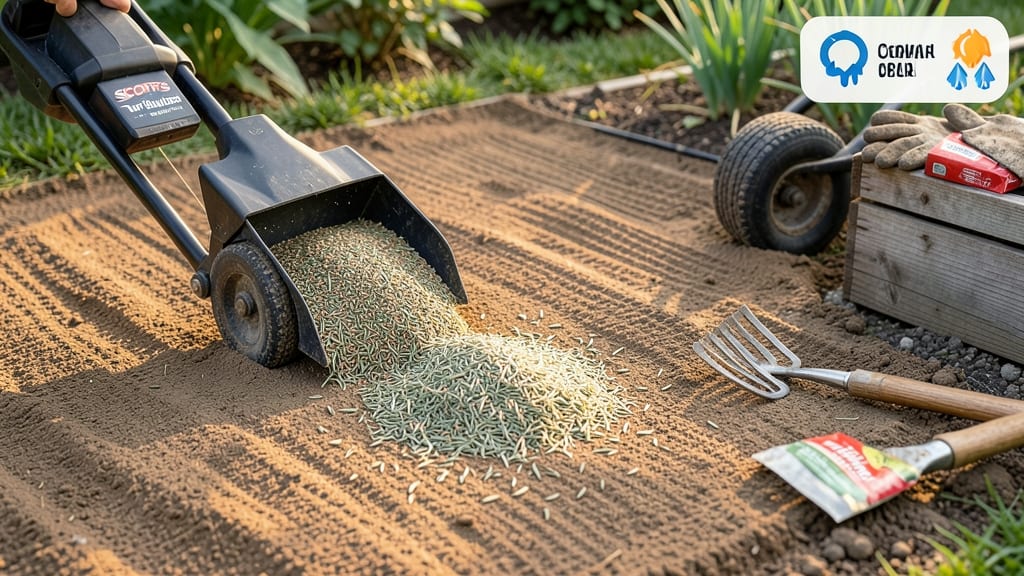
The best time to plant grass seed in Connecticut is early spring or early fall, when soil temperatures and moisture align for strong germination 🌱.
Planting grass seed at the wrong time in Connecticut can mean wasted effort, poor germination, or even invasive weeds taking over your lawn—so timing is everything.
Connecticut’s climate zones (5b–6b) mean spring planting works best between March and April, while fall offers a second chance from September to October. Soil temps below 50°F or above 75°F stress young grass, and frost can kill seedlings if planted too late.
Below, I’ll break down the exact frost dates by zone, soil prep steps, and the cool-season grasses that thrive here—so you can plant with confidence and avoid costly mistakes.
Connecticut grass seed planting calendar: soil temps and frost dates by zone
Timing your grass seed planting in Connecticut isn't just about avoiding frost—it's about matching your schedule to soil temperatures, frost-free windows, and the cool-season grass varieties that thrive here.
Connecticut spans USDA Zones 5a through 6b, meaning your coastal towns (like New Haven) have slightly different frost dates than inland areas (like Hartford or Torrington).
Planting too early when soil is still cold can delay germination by weeks, while waiting too long risks summer heat stress or weed competition.
For optimal germination, cool-season grasses like tall fescue and Kentucky bluegrass need soil temperatures between 50–65°F. In Connecticut, this typically aligns with early spring (March–April) or early fall (September–October), but your exact window depends on your zone.
Below, I’ve broken down the critical frost dates, soil temperature thresholds, and best planting windows for each zone—plus how to use local weather data to fine-tune your timing for success.
Your local frost dates can vary by 1–2 weeks from these averages, so I recommend checking the National Weather Service or your local Cooperative Extension Service (like UConn Home & Garden Education Center) for real-time updates.
For example, if you’re in Zone 5a and the last frost is delayed until May 10, aim for late April planting—not early May. The same logic applies in fall: plant 4–6 weeks before your first frost to give seeds time to establish roots before winter.
Soil temperature is just as critical as frost dates. Use a soil thermometer (available at garden centers for ~$10) to check depths of 1–2 inches. If your soil is below 50°F, germination slows dramatically.
In Zone 6a/6b, this often means waiting until mid-March for spring planting, even if frost risk is low. Pro tip: Morning soil temps are usually 5–10°F cooler than afternoon temps—check in the morning for the most accurate reading.
If you’re overseeding an existing lawn in fall, September is your golden window across all zones. Cool temperatures and consistent rainfall create ideal conditions for seed-to-soil contact.
However, if you miss fall, early spring (March–April) is your second-best option—just be prepared to water more frequently to compensate for potential drought stress. Avoid planting in summer (June–August) unless you’re using heat-tolerant varieties like Zoysia, which aren’t ideal for Connecticut’s climate.
One common mistake I see in Connecticut gardens is planting too late in spring (after May 15) or too early in fall (before September 1). Late spring seedlings often face summer heat stress and weed competition, while early fall seeds may not establish enough roots before winter.
To avoid this, use the "6-week rule": Plant no later than 6 weeks before your first frost in fall or 6 weeks after your last frost in spring. For Zone 5a, that’s September 1
How to prepare your Connecticut lawn for grass seed success
Preparing your Connecticut lawn for grass seed is half the battle—skipping these steps can lead to poor germination, weed invasion, or a lawn that never fully establishes 🌱. The key is creating the right conditions: loose soil, proper pH, and weed-free ground.
Even the best cool-season grasses like tall fescue or Kentucky bluegrass will struggle if your soil isn’t ready.
Start by testing your soil’s pH level—Connecticut’s clay-heavy soils often need adjustment to hit the 6.0–7.0 sweet spot for grass. If your soil is too acidic, add pelletized lime; if it’s alkaline, use elemental sulfur.
This step alone can mean the difference between 50% germination and 90%. Don’t rush—amendments take 2–4 weeks to fully integrate into the soil.
Step-by-Step Pre-Planting Checklist
- 🔹 Test soil pH (use a home test kit or send a sample to UConn Extension). Aim for 6.0–7.0—amend if needed.
- 🔹 Kill weeds with glyphosate (2 weeks before planting) or manually remove dandelions/clover. Pre-emergent herbicide can also help.
- 🔹 Till or aerate the soil to 2–3 inches deep for new lawns. For overseeding, use a core aerator to break compaction.
- 🔹 Choose the right seed mix:
- Zone 5a–6a: Tall fescue + fine fescue (shade-tolerant)
- Zone 5b–6b: Kentucky bluegrass + perennial ryegrass (fast germination)
- 🔹 Spread seed evenly with a broadcast spreader (use ½ lb per 100 sq ft for overseeding, 5–8 lbs per 1,000 sq ft for new lawns).
- 🔹 Lightly rake to ensure seed-to-soil contact, then cover with ¼ inch of compost to retain moisture.
- 🔹 Water daily for 2–3 weeks—keep soil moist but not soggy (use a sprinkler on low setting for 10–15 minutes twice daily).
One of the biggest mistakes Connecticut homeowners make is planting when soil temps are too cold (below 50°F) or too hot (above 75°F). Young grass roots need 50–65°F soil to establish—check with a soil thermometer before seeding.
Another pitfall? Skipping weed control—even a few dandelions can steal nutrients from your new grass and smother seedlings.
After planting, resist the urge to walk on the lawn or mow too early. Wait until the grass reaches 3–4 inches tall (about 6–8 weeks after seeding) before your first mow.
Set your mower blade to 3 inches to encourage deep root growth—a critical step for drought resistance, especially in Connecticut’s hot, dry summers.
Finally, don’t underestimate the power of mulching with straw after seeding. A ¼-inch layer helps retain moisture, regulates soil temperature, and reduces erosion from rain or wind. Just avoid hay mulch—it can introduce weeds.
With these steps, your Connecticut lawn will germinate uniformly and strongly, giving you a lush, weed-free carpet by next spring ✂️.