
Planting
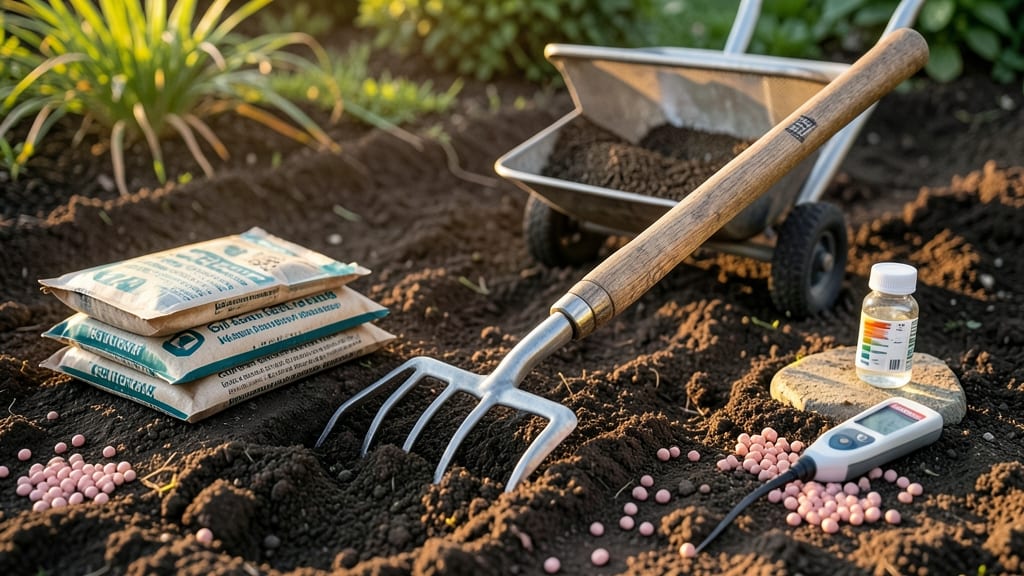
Planting grass seed in Iowa at the right time is the difference between a lush lawn and a patchy disappointment — and the best windows are early spring (March-April) or early fall (August-September) when soil temperatures hit that sweet 50-65°F range for germination.
Iowa’s unpredictable spring weather and harsh winters can turn grass seeding into a gamble—unless you know the exact timing that maximizes germination and survival rates. Plant too early, and frost will kill your efforts; too late, and weeds take over. Here’s the science-backed window for success.
Most gardeners in USDA zones 5a-6b swear by early spring planting, but fall offers cooler temps and fewer weeds. The key? Soil prep, seed choice, and watching for those first frost dates—because even a few degrees off can mean the difference between thick grass and bare spots.
Below, I break down the best months for your region, soil tests to run before planting, and the grass types that thrive in Iowa’s climate—so you can finally get the lawn you’ve been dreaming of.
Best months to plant grass seed in Iowa: spring vs fall comparison
Iowa’s USDA zones 5a-6b create a unique challenge for grass seed planting—cool springs and harsh winters demand precision timing. The ideal window is just 4-6 weeks before your first frost (typically mid-October) or after the last frost (usually mid-April).
Missing this window means battling weeds, drought, or frost damage. Let’s break down the science behind spring vs. fall planting for Iowa’s variable climate.
Most gardeners swear by fall planting because cooler temperatures reduce weed competition and establish deep roots before winter. However, spring planting gives you a head start on summer use. The key difference? Soil temperatures must stay between 50-65°F for germination—too hot or too cold, and your seed won’t sprout.
Iowa’s northern regions (like Sioux City) need earlier timing than southern areas (like Ottumwa), so check your local frost dates.
| Factor | Spring Planting (April-May) | Fall Planting (September-October) |
|---|---|---|
| Ideal Months | April 15-May 15 | September 15-October 15 |
| Soil Temp for Germination | 50-65°F | 50-65°F |
| Weed Competition | High (spring weeds) | Low (cool temps slow growth) |
| Frost Risk | Low (after last frost) | Moderate (before first frost) |
| Establishment Time | 6-8 weeks | 4-6 weeks |
| Best For | Summer lawn use | Winter survival |
For spring planting, aim for mid-April to mid-May when soil temperatures consistently stay above 50°F. This gives your grass 6-8 weeks to establish before summer heat arrives. However, weed pressure peaks in spring, so consider a pre-emergent herbicide 2-4 weeks before seeding.
In northern Iowa, wait until late April to avoid late frosts—April 15 is a safe bet for most areas.
Fall planting, on the other hand, offers cooler soil temperatures and less weed competition. Seed planted in late September to mid-October has time to germinate and develop roots before winter dormancy.
The key deadline is 4-6 weeks before your first frost—typically by October 15 in most of Iowa. Southern Iowa can push this to early November, but northern regions should finish by mid-October.
Iowa’s microclimates play a huge role in timing. Southern Iowa (zones 6a-6b) can plant 1-2 weeks later than northern Iowa (zones 5a-5b). For example, Des Moines (zone 5b) should plant spring seed by May 1, while Dubuque (zone 5a) should finish by April 20.
Use the USDA Plant Hardiness Zone Map to find your exact zone and adjust accordingly.
One common mistake? Planting when soil is too cold. Use a soil thermometer to confirm temperatures are 50°F+ at a 4-inch depth.
If your seed isn’t sprouting within 10-14 days, the soil may be too cool. Fall planting has a higher success rate because evening temperatures drop gradually, creating ideal conditions.
Spring planting requires consistent moisture—Iowa’s windy conditions can dry out seed quickly, so water lightly twice daily until germination occurs.
Pro tip: If you’re torn between spring and fall, fall planting wins for most Iowa lawns. The cooler weather reduces stress on new grass, and established roots handle winter better. However, if you’re seeding a large area or need summer use, spring planting is your only option.
Just be prepared for more weed control and frequent watering during those hot summer months.
Remember, Iowa’s weather is unpredictable. Always have a backup plan—like extra seed or a tarp to protect new seedlings from unexpected frost. With the right timing, your grass will outcompete weeds and thrive through Iowa’s extreme seasons.
Start with the comparison table above, then adjust based on your local frost dates and soil conditions.
For next-level success, test your soil’s pH (6.0-7.5) and add compost before planting. This ensures your grass gets the nutrients it needs to germinate quickly and establish deep roots.
Whether you choose spring or fall, timing is everything—get it right, and you’ll have a lush lawn all season long. 🌱
How to prepare Iowa soil for grass seed: step-by-step for spring/fall planting
Preparing Iowa soil for grass seed isn’t just about tossing seed on bare dirt—it’s about creating the perfect germination environment. Iowa’s clay-heavy soils and variable moisture demand careful prep to avoid compaction or waterlogging, both of which can strangle new grass roots.
The goal? Loose, well-aerated soil with a pH of 6.0–7.5 and enough organic matter to retain moisture without drowning tender seedlings.
I’ve learned the hard way that skipping soil tests leads to patchy lawns—last year, my neighbor’s Kentucky Bluegrass thrived while mine struggled because his soil pH was perfect (6.5), and mine was too acidic (5.2).
A simple soil test kit (available at garden centers for ~$15) saves hours of backbreaking work and ensures your seed doesn’t waste energy fighting poor conditions.
Before you till, mark your calendar for pre-emergent herbicide timing if you’re using it. Apply 4–6 weeks before planting to kill weeds without harming your grass seed.
In Iowa’s windy conditions, erosion is a real threat—so after seeding, cover the area with straw mulch or a lightweight erosion blanket until germination begins.
Step-by-Step Soil Prep for Iowa Grass Seed
- Test Soil pH: Use a kit to check pH—aim for 6.0–7.5. Adjust with lime (to raise) or sulfur (to lower) 2–3 months before planting.
- Till to 4–6 Inches: Break up compacted soil with a rototiller or broadfork. Avoid over-tilling, which can pulverize soil structure.
- Remove Weeds: Pull existing weeds by hand or spot-treat with glyphosate (if applied 4+ weeks before planting).
- Add Organic Matter: Mix in 2–3 inches of compost or aged manure to improve drainage and nutrient retention.
- Level the Soil: Rake to create a smooth, firm surface—this prevents low spots where water pools and seeds drown.
- Apply Pre-Emergent (Optional): If using, spread pre-emergent herbicide 4–6 weeks before seeding to block weeds.
- Protect from Wind: After seeding, cover with straw mulch or biodegradable netting to prevent erosion in Iowa’s gusty conditions.
Once your soil is prepped, water deeply before seeding to settle the soil and create good seed-to-soil contact. Lightly rake the area again to break up any clumps, then spread your grass seed evenly using a broadcast spreader.
For Iowa’s climate, a mix of cool-season grasses (like Tall Fescue) works best—these handle our hot summers and cold winters far better than warm-season varieties.
After seeding, keep the soil consistently moist (not soggy) for the first 2–3 weeks. Use a light misting in the morning to avoid fungal issues, and avoid walking on the area until the grass reaches 3–4 inches tall.
In Iowa’s windy spring, this means frequent checks—drought or erosion can undo all your hard work in days.
Remember, the first 30 days are critical. Your grass seed needs warm soil (50–65°F), steady moisture, and minimal competition from weeds. If you’ve prepped correctly, you’ll see sprouts in 7–21 days, depending on the variety and weather.
Patience pays off—skip shortcuts, and you’ll have a lawn that’s the envy of your neighborhood.