
Plants
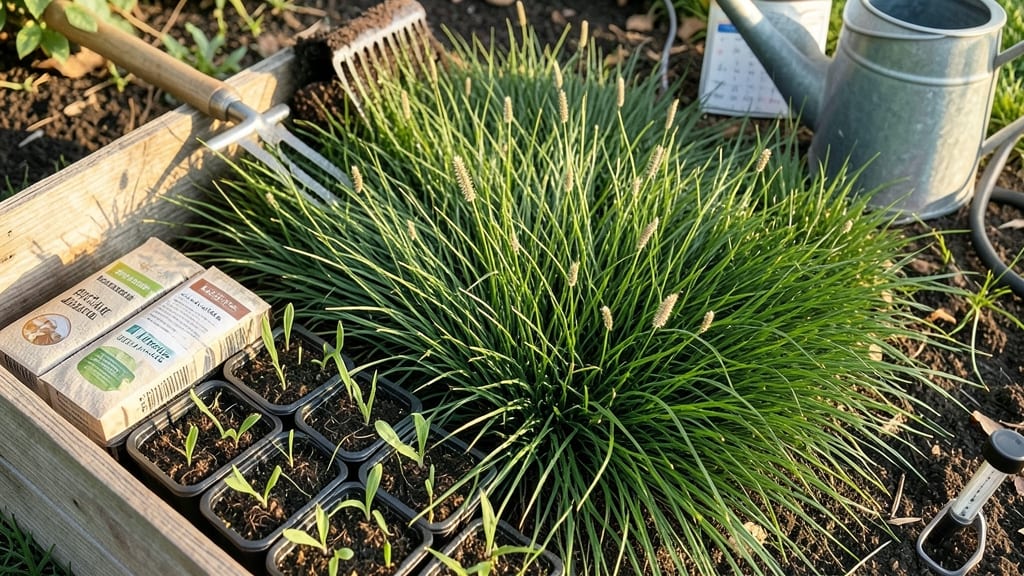
Planting grass seed in Minnesota at the right time means the difference between a lush lawn and a patchy, slow-growing mess.
Picture this: you’ve just spread 100 pounds of seed across your yard, only to watch it wither under a late frost or bake in summer heat. That’s why timing is everything—especially in zones 3a-5b, where frost can strike twice in a single season.
Most Minnesota gardeners swear by early fall or spring planting, but the best window depends on your specific zone, soil moisture, and even last year’s weather. Too early, and frost will kill your seedlings. Too late, and weeds will steal the show.
Here’s how to pinpoint the perfect moment—plus soil prep tricks to give your grass the strong start it needs before the first snow flies.
Minnesota grass planting calendar: best months by hardiness zone
Minnesota's USDA hardiness zones 3-5 create distinct planting windows for grass seed, where timing directly impacts root establishment and survival. The ideal frost-free window spans from early spring to early fall, but regional microclimates—like urban heat islands or lake-effect zones—can shift these dates by 2-4 weeks.
For zone 3 (northern MN), focus on late April through early September, while zone 5 (southern MN) can extend planting into mid-October.
Soil temperature is the critical factor—grass seed needs consistent 50°F+ soil temps to germinate. In Minnesota, this typically aligns with late April to early May for spring planting and mid-September to early October for fall.
Using a soil thermometer (or the "elbow test"—pushing your fist into the ground) helps verify readiness. Cooler microclimates near lakes or forests may require waiting an extra week.
Here’s your zone-specific planting calendar with frost-free windows, soil temperature targets, and regional adjustments:
| Zone | Best Planting Window | Soil Temp Requirement | Regional Adjustments | Avoid Planting |
|---|---|---|---|---|
| Zone 3 (North MN) | Late April–Early September | 50–65°F (10–18°C) | Wait 2 weeks longer near lakes; use cold-hardy varieties like tall fescue. | June–July (drought risk), October (frost risk) |
| Zone 4 (Central MN) | Early April–Mid October | 50–68°F (10–20°C) | Urban areas: plant 1 week earlier; rural: wait for stable temps. | August (heat stress), November (frost) |
| Zone 5 (South MN) | March–Mid November | 50–70°F (10–21°C) | Southern MN: extend fall planting to October 15; use ryegrass for fast germination. | July (extreme heat), December (snow cover) |
Fall planting in Minnesota often yields better results than spring because cooler temps reduce weed competition and drought stress. Aim for 6–8 weeks before first frost—typically mid-September to early October—to allow roots to establish before winter.
In zone 3, this may mean starting as early as late August, while zone 5 can push into mid-October.
Spring planting requires patience: don’t rush to sow seed as soon as snow melts. Wait until soil temps stabilize above 50°F (usually late April to early May), and avoid planting if frost is forecast within 7–10 days.
Early spring seed can rot or wash away during thaw-freeze cycles, common in Minnesota’s unpredictable weather. Use a seed starter fertilizer to boost germination rates in cooler soils.
Microclimates play a huge role in Minnesota. Lake-effect zones (e.g., near Lake Superior) may stay 5–10°F cooler than inland areas, delaying planting by 1–2 weeks. Conversely, urban heat islands (like Minneapolis) can warm up 2–3 weeks earlier in spring.
Adjust your timeline by observing local cherry blossom bloom dates—a rough gauge for 50°F soil temps.
Extreme weather is another Minnesota wildcard. Avoid planting during drought declarations (check the MN DNR’s weekly conditions) or when heat advisories exceed 90°F—grass seed struggles to germinate above 85°F.
If you must plant in late summer, opt for shade-tolerant varieties like fine fescue and water twice daily until germination.
For sod vs. seed, sod has a 3–4 week head start but costs more. If planting seed in late spring (June–July), choose drought-resistant blends and mulch with straw to retain moisture. Always test soil moisture by grabbing a handful—if it crumbles easily, it’s dry enough for seed contact.
Pro tip: Mark your calendar for MN’s average frost dates—April 15 (last frost) and October 15 (first frost)—but verify with your local Cooperative Extension office. Their frost-free degree day models account for localized variations that generic calendars miss. For zone 4/5, this might
How to choose between spring vs. fall planting for MN lawns
Deciding between spring vs. fall planting for your Minnesota lawn depends on more than just the calendar—it’s about soil moisture, weed competition, and avoiding extreme temperatures. Both seasons have advantages, but one will likely work better for your specific yard and climate zone.
Fall planting, often called the "sweet spot" for grass seed, gives seedlings a 6-8 week head start before winter dormancy. Meanwhile, spring planting races against weed germination and summer drought. Let’s break down which season aligns best with your goals and local conditions.
- Longer growing season
- Warmer soil speeds germination
- Less weed competition early on
- Summer drought risk
- Weeds take over quickly
- Requires frequent watering
- Cooler temps reduce stress
- Moist soil from rain
- Fewer weeds compete
- Early frost can kill seedlings
- Limited time for establishment
- Soil may be too cold
If you’re in northern MN (zones 3-4), fall planting is your best bet—seeds sown in September have time to root before winter. Southern MN (zones 4-5) can push it to mid-October, but avoid planting after October 15 when frost is likely.
Spring planting works best if you start by mid-April (after last frost) and finish by May 15. Waiting until June risks drought stress and weed dominance. For both seasons, aim for soil temps between 50-65°F—too cold, and germination stalls.
Never plant in summer (June-August)—the heat dries out seeds, and weeds will outcompete your new grass. Instead, use this time to prep your soil or overseed with cool-season grasses like Kentucky bluegrass or fescue for a thicker lawn next year.
Pro tip: Test your soil’s moisture retention before planting. Minnesota’s clay soils can hold water, but sandy areas dry out fast—so adjust your watering schedule accordingly. A rain gauge helps track how much nature is doing for you!