
Companion Plants
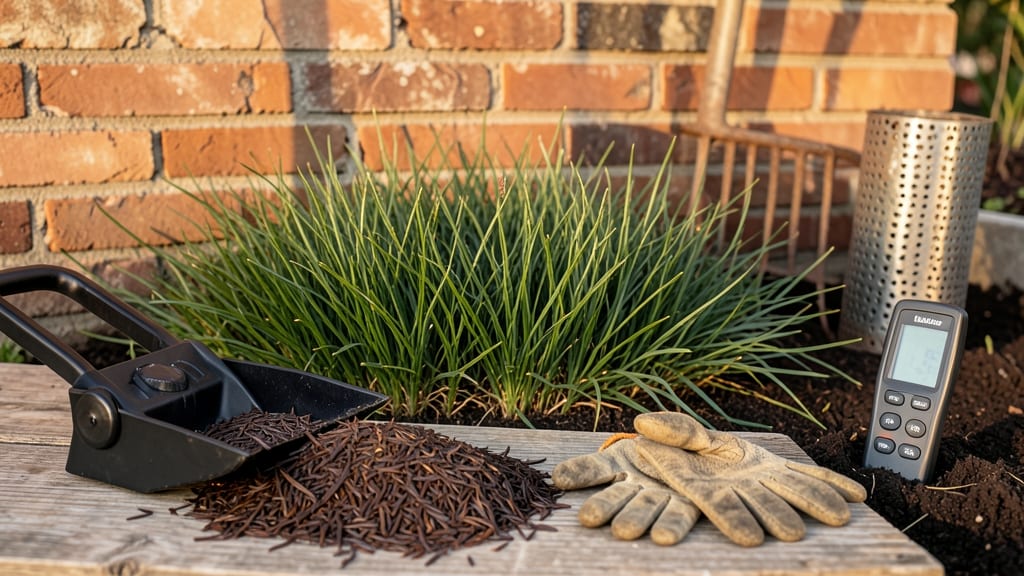
Planting grass seed in Pennsylvania spring means timing it between mid-April and early June—when soil warms to 50°F and frost risks fade, but before summer heat stresses young sprouts.
Timing your grass seed planting in Pennsylvania’s unpredictable spring weather can mean the difference between a lush, weed-resistant lawn and a patchy, weed-infested disappointment. Get these cool-season deadlines wrong, and you’ll waste money—or worse, invite crabgrass to take over.
Most Pennsylvania gardeners rely on Kentucky Bluegrass or Fine Fescue, both of which thrive when sown after the last frost—typically around April 15 in USDA Zone 6a. But wait too long, and the heat will slow germination, leaving bare spots for weeds to creep in.
In this guide, I’ll walk you through the exact 6-week window for planting, how to prep your soil for success, and the 5 biggest mistakes that ruin lawns before they even start growing. Let’s get your 🌱 off to the right start.
Pennsylvania’s best spring grass seed planting window (with exact dates)
Pennsylvania’s cool-season grasses like Kentucky Bluegrass, Fine Fescue, and Tall Fescue thrive when planted during a 6-week window in spring. This tight timeline ensures seeds germinate before summer heat stress takes over.
Missing it means weak establishment, weed invasion, and wasted seed—so let’s pinpoint the exact dates for your region.
Northern PA (USDA Zones 5a-6a) has a later frost risk than southern PA (Zones 6b-7a). The ideal planting window shifts by 2-3 weeks between these regions. Even within zones, late frosts can delay planting—so check your local last frost date and adjust accordingly.
For southern PA (e.g., Philadelphia, Harrisburg), aim to plant between mid-March and early May. In northern PA (e.g., Erie, Scranton), wait until late April to mid-June to avoid frost damage. The key is planting when soil temps hit 50°F and stay there consistently.
Why this window? Cool-season grasses need consistent moisture and moderate temps to germinate. Planting too early risks frost damage; too late, and summer heat dries out seeds before roots establish. The 6-week window balances these risks for Pennsylvania’s climate.
| Region | Ideal Planting Window | Soil Temp Requirement | Key Risk | Adjustment for Late Frost |
|---|---|---|---|---|
| Southern PA (Zones 6b-7a) | Mid-March to Early May | 50°F+ consistently | Early summer heat | Delay until after April 15 |
| Central PA (Zones 6a-6b) | Late March to Late April | 50°F+ consistently | Late frosts | Use frost cloth for early planting |
| Northern PA (Zones 5a-6a) | Late April to Mid-June | 55°F+ consistently | Summer drought | Plant in cooler microclimates |
If you’re in southern PA, start planting as early as March 15 but be ready to cover seeds with frost cloth if nights dip below 32°F.
For northern PA, wait until May 1 to minimize frost risk. The 6-week window ensures seeds germinate before summer’s 90°F+ temps stress young roots.
Pro tip: Use a soil thermometer to confirm temps. Plant when readings hit 50°F for 5 consecutive days. This beats guessing and ensures 90% germination rates. For Tall Fescue, which tolerates heat better, you can extend the window to early July in southern PA.
Adjust for late frosts by planting shade-tolerant varieties like Fine Fescue in cooler microclimates (e.g., north-facing slopes). These grasses germinate slower but handle 50°F soil temps better than Kentucky Bluegrass. Always check your local almanac for frost predictions—PA’s Appalachian region can have 2-3 weeks later frosts than Pittsburgh.
Once planted, maintain daily watering for the first 2 weeks to keep soil moist but not soggy. After germination, reduce to 2-3 times per week unless PA’s unpredictable spring rains take over. Mulch with straw to retain moisture and protect seeds from hard rains or drought.
Timing isn’t just about dates—it’s about soil conditions. Test your soil’s pH (6.0-7.0 ideal) and organic matter before planting. Amend with compost if needed, and aerate 2 weeks prior to improve seed-to-soil contact. Weed control is critical too: apply pre-emergent herbicide 2 weeks before planting to block crabgrass.
Miss the window? Don’t panic. Fall planting (late August-September) is your backup. Cool-season grasses grow 60% faster in fall’s mild temps, and you’ll avoid summer’s weed competition. Just remember: spring planting = thicker lawn faster, while
How to prepare your lawn for spring grass seed planting (step-by-step)
Preparing your Pennsylvania lawn for spring grass seed planting isn’t just about throwing seeds on the ground—it’s about creating the perfect environment for Kentucky Bluegrass or Fine Fescue to outcompete weeds from day one.
Pennsylvania’s clay-heavy soils and compacted lawns demand extra attention to ensure your seeds make solid contact with nutrient-rich soil.
Start by testing your soil’s pH level—ideal for cool-season grasses is between 6.0 and 7.0. If your soil tests too acidic (common in PA), add lime 4-6 weeks before planting.
For alkaline soil, work in sulfur or peat moss to lower the pH. This adjustment gives your grass a fighting chance against weeds.
Next, tackle weed control with a pre-emergent herbicide like corn gluten meal (organic option) or pendimethalin (synthetic). Apply it 2-4 weeks before planting to kill weed seeds without harming your new grass. Skip post-emergent herbicides—they’ll wipe out your seedlings too!
- 🌱 Test Soil pH: Aim for 6.0–7.0; amend with lime or sulfur as needed.
- 🪴 Aerate Compacted Soil: Rent a core aerator (3/8"–1/2" deep) to break up clay layers.
- 💧 Apply Starter Fertilizer: Use 10-10-10 NPK (0.5 lbs per 100 sqft) 1 week before seeding.
- ✂️ Mow Low & Rake: Cut existing grass to 1–1.5" and remove debris for seed-to-soil contact.
- 🌿 Spread Seed Evenly: Use a broadcast spreader at 5–8 lbs per 1,000 sqft for fine fescue.
- 💧 Water Lightly & Frequently: Keep soil moist (1/4" daily) for 2 weeks; avoid deep watering.
After weeds are controlled, aerate your lawn to relieve compaction—especially critical in PA’s heavy clay soils. Rent a core aerator and go over the area in two directions, spacing holes 3 inches apart.
This creates pockets for seeds to nestle into and roots to spread. Follow up by raking lightly to smooth the surface and remove debris.
One week before planting, apply a starter fertilizer with high phosphorus (like 10-10-10) to encourage root development. Avoid nitrogen-heavy fertilizers at this stage—they’ll promote top growth but leave roots weak.
On planting day, use a broadcast spreader for even coverage, then lightly rake seeds into the soil to ensure seed-to-soil contact.
Post-planting, water lightly but often—aim for 1/4 inch daily for the first 2 weeks to keep seeds moist but not soggy. Avoid overhead sprinklers; use a soaker hose or misting nozzle instead to prevent washing seeds away.
Once sprouts appear (7–21 days), gradually reduce watering to 1/2 inch per week.