
Plants
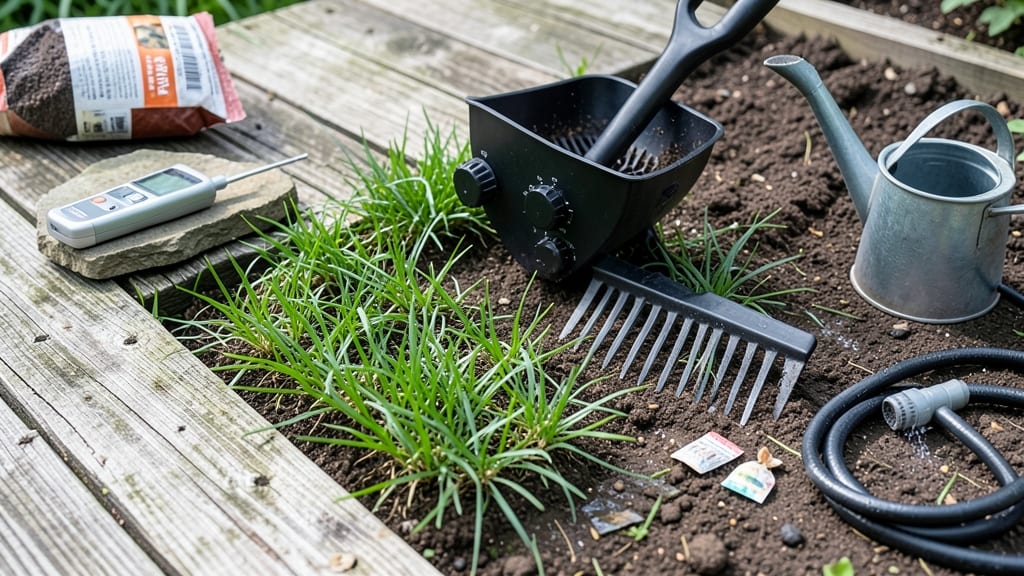
Planting grass seed in Portland, Oregon, means timing it for soil warmth and rainfall—two factors that can make or break your lawn’s first year.
Picture this: You’ve cleared the soil, spread the seed, and watered it in—only for a late frost to roll through and stall your progress. Or worse, you wait too long, and weeds take over before your grass even gets a chance.
Portland’s 8a climate and unpredictable spring showers demand precision, not guesswork.
Here’s the secret: The best windows are early spring (March–April) or early fall (September–October), when soil temperatures hit 55°F+ and rainfall is steady but not overwhelming.
Cool-season grasses like Kentucky Bluegrass thrive in these conditions, while warm-season types like Bermuda need the heat of summer—but even they benefit from a fall head start.
Below, I’ll walk you through how to check your soil’s readiness, pick the right grass for Portland’s microclimates, and avoid the three biggest mistakes that turn seed into dust. No more second-guessing—just a lush, weed-free lawn that stands up to Portland’s weather.
Portland’s ideal grass-seeding window: late spring soil warmth checklist
Portland’s microclimates create a unique challenge for grass seeders. Urban areas stay cooler due to concrete, while rural zones warm faster—meaning your neighbor’s perfect timing might fail in your yard. The key? soil temperature and frost dates.
For Portland’s USDA Zone 8a, late spring (after April 15) is your best bet, but let’s break down the science behind it.
Cool-season grasses like Kentucky Bluegrass and Fescue thrive when soil hits 55°F+. Warm-season types (like Bermuda) need 65°F+. Portland’s average soil temps hit 55°F by mid-April in most areas, but rural zones may be ready 2 weeks earlier. Use a soil thermometer to confirm—don’t guess!
Here’s the 5-step verification process I swear by to avoid costly mistakes: 1. Check last frost date (Portland’s is April 15, but microclimates vary). 2. Test soil temperature at 4 inches deep—wait until it’s consistently above 55°F.
3. Confirm rainfall forecasts for the next 2 weeks (Portland’s wet springs can delay planting). 4. Prep soil by removing debris and loosening top 4 inches for seed contact. 5. Seed in late afternoon to reduce evaporation.
Portland’s clay-heavy soil drains poorly, so I always amend with compost before seeding. Mix in 2 inches of compost or peat moss to improve drainage and seed-to-soil contact. Urban yards may need extra aeration due to compacted soil from foot traffic.
Watering is critical in Portland’s wet springs. Overwatering suffocates seeds, while underwatering stresses them. Aim for ½ inch of water daily (via rain or hose) for the first 2 weeks. Use a rain gauge to track accumulation—Portland’s March-April rains often cover this, but check!
Weeds are the #1 enemy of new grass. I apply a pre-emergent herbicide 2 weeks before seeding to block crabgrass, then hand-pull any sprouts that appear. Mulch lightly with straw (not wood chips) to retain moisture without smothering seeds.
Monitor your lawn’s progress with these 3 key signs: 1. Germination (7-14 days): Tiny green blades emerge. 2. Establishment (3-4 weeks): Grass fills gaps, weeds slow. 3. Mowing readiness (6-8 weeks): Blades hit 3-4 inches. Adjust watering as you go—less is more once roots establish!
Pro tip: Mark your calendar for September 15, Portland’s second-best planting window. Cool evenings and 60°F soil give grass a head start before winter. Just like spring, verify soil temps and rainfall first!
By following this soil warmth checklist, you’ll outsmart Portland’s weather and grow grass that’s dense, weed-free, and lush—no gamble needed. 🌱
Cool-season vs. warm-season grasses in Portland: which to plant and when
Portland’s cool, wet winters and mild, dry summers favor cool-season grasses like Kentucky Bluegrass and Fescue, but warm-season options like Bermuda and Zoysia can thrive with the right timing. The key difference? Cool-season grasses germinate in 50-60°F soil, while warm-season types need 65°F+.
For Portland, this means spring and fall are your prime windows—but not all grasses play well with our unpredictable rain.
Here’s the breakdown: Kentucky Bluegrass and Tall Fescue dominate Portland lawns because they handle our wet winters and shady spots. Bermuda and Zoysia, however, love summer heat but struggle with our cool, damp springs.
Planting them too early risks fungal diseases, while waiting too long lets weeds win. Let’s compare their planting windows, establishment timelines, and Portland-specific care.
For cool-season grasses, aim to plant 4–6 weeks before Portland’s first frost (Oct 15) or 2–3 weeks after the last frost (April 15).
This gives roots time to establish before winter or summer stress. Tall Fescue, for example, handles our dry summers better than Kentucky Bluegrass, which needs consistent moisture to avoid browning.
Warm-season grasses like Bermuda and Zoysia are riskier in Portland but shine in full-sun yards. Plant Bermuda sod in May when soil hits 70°F+, or seed in late September for a fall head start. Zoysia is slower to establish but stays green longer in summer. Both go dormant in winter, so avoid planting in shady spots—they won’t recover.
Your Portland-specific maintenance calendar should include:\n1. Spring (April–May): Aerate cool-season grasses, fertilize with high-nitrogen.\n2. Summer (June–Aug): Water Bermuda/Zoysia deeply 2x/week; mow cool-season grasses 3–4 inches tall.\n3. Fall (Sept–Oct): Overseed thin spots, apply winterizer fertilizer.\n4. Winter (Nov–Mar): Reduce watering; avoid heavy foot traffic on dormant warm-season grasses.
Pro tip: If you’re torn between cool-season and warm-season, consider a mix. Plant Tall Fescue in shady areas and Bermuda in sunny spots—this gives you the best of both worlds.
Just remember: Portland’s clay soil drains poorly, so always amend with compost before seeding, regardless of grass type. 🌱