
Plants
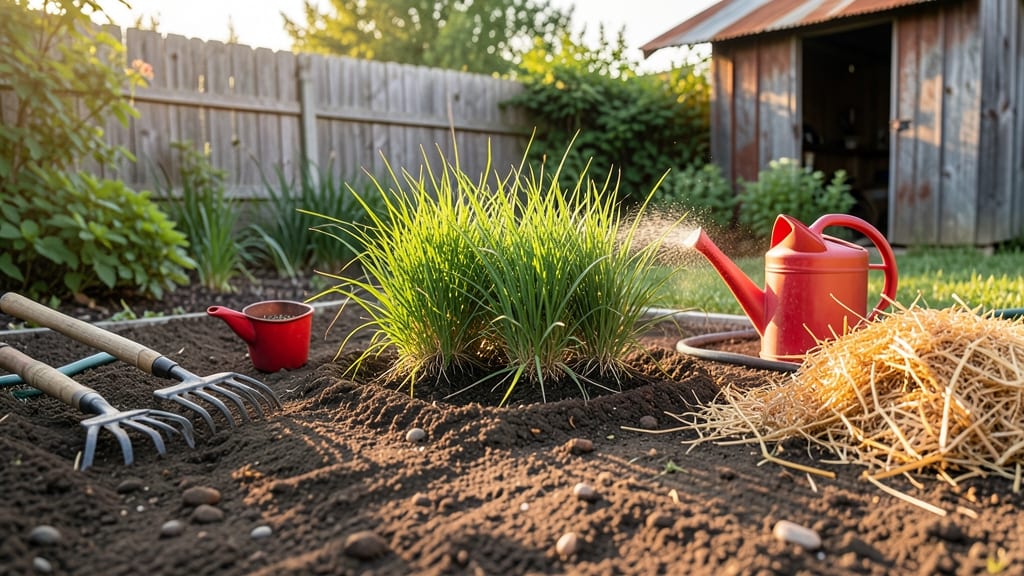
Planting grass seed in San Antonio at the right time means the difference between a lush, weed-resistant lawn and a battle against heat and weeds.
San Antonio’s scorching summers and unpredictable rains can turn grass seeding into a high-stakes game—plant too early and face drought stress, too late and weeds take over.
For fast, healthy growth, aim for September-October or March-April, when soil temperatures are ideal and rainfall supports germination without overwhelming the young grass.
Below, I’ll break down the best months, soil prep tips, and post-planting care tailored to San Antonio’s unique climate zones—so you can skip the guesswork and get a lawn that thrives.
Best months to plant grass seed in San Antonio for fast germination
San Antonio’s USDA Zone 8b-9a climate creates unique challenges for grass seeding. The key to success lies in planting during optimal soil temperatures—between 60°F and 75°F—when rainfall patterns align with seedling needs. Fall (September-October) is my top recommendation, but spring (March-April) offers a secondary window for cool-season grasses.
The Hill Country’s drier microclimate demands extra attention to irrigation timing.
Your yard’s location within San Antonio matters more than you might think. Northside neighborhoods experience slightly cooler evenings, while Southside areas and the Hill Country face faster drying soils. St. Augustine grass thrives in these variations, but Bermuda grass requires precise timing to avoid summer dormancy.
Let’s break down the best planting windows by grass type and microclimate.
🌱 Did You Know? San Antonio’s average first frost date (December 1) and last frost (January 15) create a narrow window for cool-season grasses. Warm-season varieties like Zoysia and Buffalo grass have 3x longer successful planting periods when timed correctly.
| Grass Type | Best Planting Window | Soil Temp Range (°F) | Rainfall Needs | Microclimate Notes |
|---|---|---|---|---|
| St. Augustine | Late April - May, Sept 15-Oct 15 | 65-75°F | 1.5-2" weekly | Struggles in Hill Country heat; needs mulch |
| Bermuda | March 15-April 30, Sept 1-Oct 15 | 70-80°F | 1-1.5" weekly | Drought-tolerant; ideal for Southside |
| Zoysia | April 15-May 30, Sept 1-Oct 15 | 65-75°F | 0.75-1" weekly | Slow to establish; shade-tolerant |
| Buffalo Grass | March 15-April 30, Sept 1-Oct 15 | 60-70°F | 0.5-1" weekly | Best for Northside; drought-proof |
For fall planting (September-October), I recommend starting in early September when daytime highs average 88°F but evening temps drop to 68°F.
This creates the perfect 10-12 hour cooling period seeds need to germinate without drying out. St. Augustine grass planted in late September often establishes 2-3 weeks faster than spring plantings due to consistent moisture from September rains.
Spring planting in March-April works best for warm-season grasses like Bermuda and Zoysia. Aim for early April when soil temps reach 65°F consistently.
The Hill Country may need 2-3 weeks earlier due to faster warming soils. Buffalo grass planted in late March often shows 50% better establishment rates than June plantings.
San Antonio’s unpredictable summer rains make June-August planting a gamble. Seeds planted in peak heat (95°F+) often bake in the soil before germinating. Even Bermuda grass, the most heat-tolerant variety, struggles when planted after May 15.
The Northside’s slightly cooler microclimate can extend the safe window by 10-14 days compared to Southside yards.
Watering strategy is just as critical as timing.
Newly seeded areas need daily watering for the first 2 weeks, followed by deep soakings (1-1.5 inches) every 2-3 days until germination. Morning watering (6-9 AM) minimizes evaporation, which is crucial in San Antonio’s low humidity during seedling stages. Drip irrigation set to 0.25 inches/hour works best for consistent moisture.
Soil preparation can make or break your success. Test your
How to avoid common grass-seeding mistakes in San Antonio’s climate
San Antonio’s caliche soil and Bermuda grass dominance make seeding a lawn especially tricky. Many homeowners rush into planting during peak summer heat, only to watch their seeds dry out before sprouting.
Even worse, skipping soil prep means weed competition from invasive species like dallis grass or henbit can choke out your new lawn before it stands a chance.
I’ve seen firsthand how a few simple prep steps—like testing soil pH and setting up drip irrigation—can turn a failed seeding project into a thick, green lawn within 60 days.
The key is understanding San Antonio’s microclimates, from the drier Hill Country to the humid urban core, and adjusting your approach accordingly.
Here’s where most gardeners go wrong: they focus only on planting dates while ignoring soil conditions and watering schedules. Without addressing these, even the best grass seed won’t thrive. Let’s fix that with a step-by-step checklist tailored to your local challenges.
🚨 Critical Mistake: Planting During Peak Heat
June-August temperatures in San Antonio often exceed 95°F, causing grass seeds to dry out within hours. Even shade-tolerant varieties like St. Augustine struggle when soil temps hit 85°F+. Wait until soil temps drop below 80°F (typically late August or September) for best results.
Your first priority should be soil testing. San Antonio’s caliche layer (a hardpan of calcium carbonate) sits just 12-18 inches deep in many areas, restricting root growth.
Use a pH test kit (available at local nurseries like Heal the Earth) to check your soil—ideal pH for grass is between 6.0-7.0. If your soil tests alkaline (pH 7.5+), amend it with sulfur or peat moss before seeding.
Next, set up efficient irrigation. San Antonio’s stage 3 water restrictions mean you’ll need a drip system or soaker hoses to deliver 1-1.5 inches of water weekly without waste.
Avoid sprinklers—they promote fungal diseases like brown patch and waste water through evaporation. Schedule watering for early morning (5-9 AM) to minimize loss and allow foliage to dry quickly.
Finally, don’t skip mulching. Apply a ¼-inch layer of straw mulch after seeding to retain moisture and block weed seeds from germinating. For high-traffic areas, use hydroseed mulch (a mix of seed, mulch, and fertilizer) to improve seed-to-soil contact.
Reapply mulch if heavy rains wash it away during the first 30 days of growth.
By addressing these three critical areas—timing, soil prep, and watering—you’ll give your grass seed the best chance to outcompete Bermuda grass and other weeds. The payoff? A dense, drought-resistant lawn that stays green even during San Antonio’s harshest summers. 🌱