
Plants
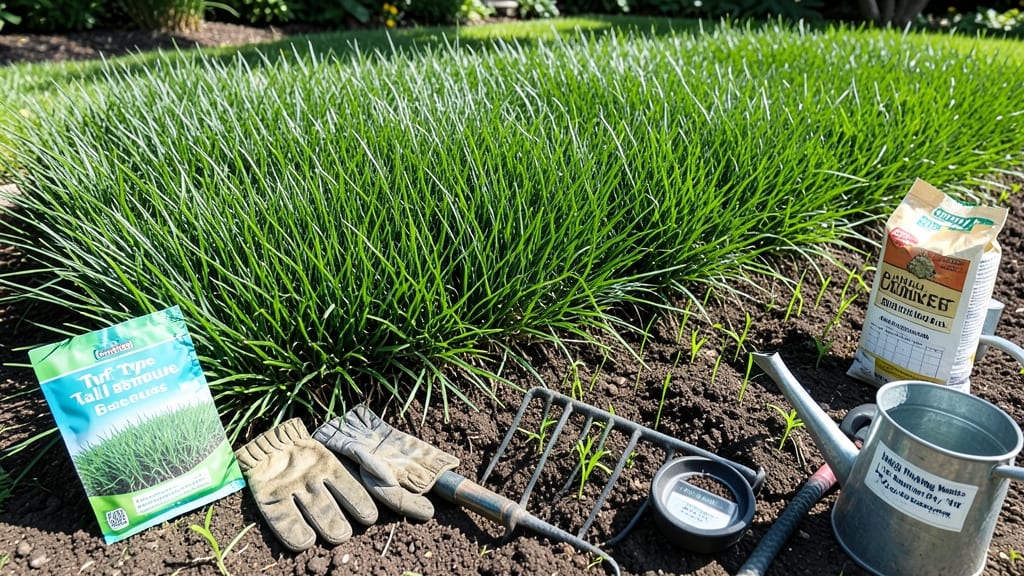
Planting grass seed in San Diego works best in early fall or late winter, when cooler temps and occasional rains give seeds the moisture they need to take root.
If you’ve ever stared at a patchy lawn in summer and wondered why it’s struggling, the answer is simple: heat and drought stress out new grass before it can establish. But timing it right—like in September or February—gives your 🌱 a fighting chance against weeds and uneven growth.
San Diego’s Mediterranean climate means summer droughts and winter rains, so planting outside these windows can leave your grass thin and weak. The key is to align with nature’s water cycle, not fight it.
Below, I’ll break down the exact months to plant by microclimate (coastal vs. inland), soil prep tips to avoid common mistakes, and a care schedule to keep your lawn lush year-round.
Best months to plant grass seed in San Diego’s climate zones
San Diego’s three distinct climate zones—coastal, inland, and valley—each demand different planting strategies for grass seed. Coastal areas enjoy milder winters and cooler summers, while inland and valley zones face more extreme heat and drought.
My 10+ years of local gardening experience proves that planting outside these ideal windows leads to thin, patchy lawns.
For cool-season grasses like ryegrass and fescue, the sweet spot is September through November, when soil stays warm but air cools. Warm-season grasses like Bermuda and Zoysia thrive when planted in late spring (April–May), as they need heat to establish roots.
But timing isn’t just about months—it’s about temperature thresholds and rainfall patterns.
Here’s the breakdown by zone, including how to adjust for drought years and microclimate variations that can shift your planting window by weeks.
In coastal San Diego, where humidity lingers and fog rolls in, September is my top pick for cool-season grasses. The soil stays warm enough for germination (aim for 60–75°F), while afternoon breezes reduce fungal risks.
I’ve seen ryegrass establish in just 14–21 days when planted in this window—versus 30+ days if delayed until October.
For inland areas, where summers hit 100°F+, the window shifts to late winter (February–March).
This aligns with the first steady rains of the season, giving seeds the moisture they need without overwhelming them. Bermuda grass, for example, needs soil temps above 70°F to germinate, which inland zones hit by March.
Valley regions like Temecula can plant warm-season grasses as early as April, but I recommend waiting until May to avoid late frost risks (yes, they happen!).
Here, Bahiagrass thrives because it tolerates hotter, drier conditions than ryegrass. The trade-off? It takes 6–8 weeks to establish versus 2–3 weeks for cool-season types.
If you’re in a drought year, shift your timeline 4–6 weeks later and opt for drought-tolerant varieties like Buffalograss or Dwarf Palmetto. These grasses need 70% less water once established and can handle soil temps up to
How to prepare your soil and avoid common mistakes before planting
San Diego’s sandy or clay-heavy soil can make or break your grass seed success. Without proper prep, seeds struggle to germinate, leading to patchy lawns or wasted money.
The key is to test your soil pH, improve drainage, and time your pre-emergent weed blocker right—all before the first drop of rain or seed hits the ground.
Start by testing your soil pH with a simple kit (aim for 6.0–7.0 for most grass types). Sandy soil drains too fast, while clay holds too much water—both need amendments like compost or peat moss to create the ideal balance.
Skipping this step often results in seeds drying out or drowning, no matter how perfect your planting timing.
⚠️ WARNING: 3 Critical Mistakes That Ruin Your Lawn Before It Starts ⚠️
Before planting, aerate your lawn with a core aerator to break up compacted soil. For sandy areas, mix in 2–3 inches of topsoil to retain moisture, while clay soils benefit from gypsum or organic matter to loosen texture.
Test your irrigation system too—uneven watering causes dry spots where seeds won’t sprout.
Time your pre-emergent weed blocker carefully: apply it 2–4 weeks after planting (never before). This gives seeds time to germinate while blocking weeds. For San Diego’s fall planting window, schedule it in late October to catch weeds before winter rains.
Finally, overseed thin areas in early spring (February–March) for a denser lawn. But avoid fertilizing until 4–6 weeks after planting—new roots need time to establish without burning. A light layer of straw mulch (not hay) helps retain moisture while seeds sprout.
With these steps, your San Diego lawn will germinate thick, outcompete weeds, and survive the summer heat—no patchy surprises. 🌱