
Plants
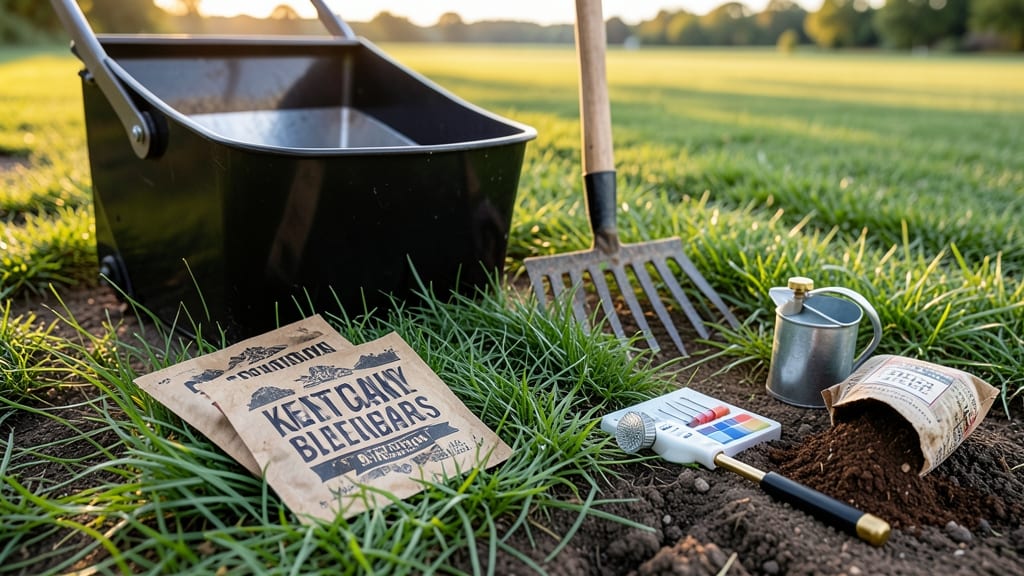
The best time to plant grass seed in Massachusetts is during early spring or early fall — when soil temperatures hover between 50°F and 65°F and the risk of frost has passed or hasn’t yet arrived.
Struggling with patchy lawns in Massachusetts? Timing your grass seed planting could be the game-changer you need—miss the window, and you risk sparse growth, weeds, or wasted effort.
Massachusetts’ cool-season climate (zones 5b-7a) means summer heat and winter frost can derail your lawn if you plant at the wrong time. The key is aligning your schedule with nature’s rhythm: after the last frost in spring or before the first frost in fall.
In this guide, I’ll break down the exact months to plant, how to prep your soil for optimal germination, and which grass seed types thrive in your region—so you can finally grow that lush, weed-free lawn you’ve been dreaming of.
Massachusetts cool-season grass planting window: exact months for optimal germination
If you're dreaming of a lush, green lawn in Massachusetts, timing your grass seed planting is everything. The cool-season grasses that thrive here—like Kentucky Bluegrass and Fine Fescue—need precise conditions to germinate and establish.
Plant too early or late, and you risk poor germination, weed competition, or even wasted seed. Let’s break down the exact months and climate factors that make or break your lawn’s success.
Massachusetts’ climate—with its USDA Zones 5b-7a—creates two prime planting windows for cool-season grass: early fall and early spring. These periods offer ideal soil temperatures (between 50°F and 65°F) and reduced weed pressure, giving your grass the best shot at thriving.
But timing isn’t one-size-fits-all; it depends on your local microclimate and frost dates. Let’s dive into the specifics so you can plant with confidence.
📅 Ideal Planting Windows for Massachusetts:
- Early Fall: September to early October (6-8 weeks before first frost)
- Early Spring: March to mid-April (4-6 weeks before last frost)
These windows maximize root establishment before winter dormancy or summer heat stress. Missing them? You might end up with slow growth or patchy lawns.
Here’s a quick reference to help you plan based on your region in Massachusetts. Whether you’re in Western MA’s cooler zones or Eastern MA’s milder coastal areas, these guidelines will keep you on track.
For Western Massachusetts (e.g., Pittsfield, Northampton), aim for late August to early October in fall and mid-March to early April in spring. These areas experience earlier frosts, so planting too late in fall can leave your grass vulnerable to winter kill.
In contrast, coastal regions like Cape Cod or Boston have slightly milder winters, allowing a 1-2 week extension in both windows.
Pro tip: Check your local frost dates—the average first frost in Massachusetts hovers around October 15, but coastal areas can delay until November 1. Planting 6-8 weeks before frost ensures your grass has time to establish roots before winter dormancy.
Use a soil thermometer to confirm temps are in the 50°F–65°F range; this is your sweet spot for germination.
Spring planting in Massachusetts requires patience. If you plant in late April or May, soil temperatures may already be too warm (above 65°F), leading to slow germination and increased weed pressure.
Instead, prioritize March or early April when soil is still cool and moisture levels are higher. Overseeding in fall is often the best strategy—it’s when 90% of professional lawn care experts recommend planting for maximum density.
Don’t overlook moisture levels during planting. Massachusetts’ spring rains can be unpredictable, so plan to water deeply 2-3 times weekly after planting to keep soil consistently moist.
In fall, natural rainfall often suffices, but a light irrigation (1/4 inch) every 3-4 days ensures success. Drought stress during germination is a common killer of new lawns—don’t let it happen to yours.
If you’re repairing a patchy lawn, focus on overseeding in fall. The cool temperatures and reduced weed competition give new grass seedlings the upper hand. In spring, you can fill in thin spots, but expect slower results compared to fall planting.
For new lawns, spring is ideal if you can’t commit to fall—just be ready to water diligently as summer heat arrives.
Ready to plant? Mark your calendar for September 1–October 15 (fall) or March 15–April 15 (spring). These 4-6 week windows
How Massachusetts soil temperature and weather affect grass seed success
Massachusetts’ cool-season climate creates unique challenges for grass seed germination. Unlike warm-season grasses, cool-season varieties like Kentucky Bluegrass thrive when soil temperatures stay between 50°F and 65°F—a window that aligns perfectly with early spring and early fall planting.
If you plant when soil is too cold (below 50°F) or too hot (above 70°F), germination slows dramatically, leaving your lawn vulnerable to weeds and uneven growth.
Even humidity levels play a role—MA’s coastal areas often see higher moisture retention, while inland regions can dry out faster.
🌱
⚠️ Critical Mistake: Planting When Soil is Too Warm
Summer heat (75°F+) stresses grass seeds, causing them to dry out before sprouting. Even if you water daily, high evaporation rates in July/August make germination nearly impossible. Fall planting (September-October) is safer because soil cools naturally.
💡 Pro Tip: Use a soil thermometer to check depth (1 inch down). If it reads above 65°F, wait 2-3 weeks or switch to shade-tolerant seed mixes for high-heat areas.
Preparing your soil is just as critical as timing. Massachusetts’ clay-heavy soils in western regions and sandy loams near the coast both need amendment. Work in 2-3 inches of compost to improve drainage and moisture retention, especially if your lawn has compacted areas from foot traffic.
Rainfall patterns also shift by season. Spring showers provide steady moisture, but uneven rainfall in May can lead to waterlogged spots. In fall, consistent light rain (0.5–1 inch per week) is ideal—too little, and seeds dry out; too much, and they rot.
A light mulch layer (straw, not wood chips) helps retain moisture without suffocating new sprouts.
Humidity matters too. Coastal MA areas (like Cape Cod) have higher humidity, which can encourage fungal diseases if seeds aren’t planted at the right depth (¼ inch max).
Inland regions may need daily watering for the first 2 weeks to compensate for lower moisture levels. Always water early morning to reduce evaporation and fungal risk.
For peak germination, aim for 50–65°F soil temps, 0.5–1 inch of weekly rain, and humidity below 70%. Test your soil’s pH (ideal: 6.0–7.0) and adjust with lime or sulfur if needed.
With the right conditions, your grass seed will sprout in 7–14 days and establish a thick lawn before winter sets in.
☀️🌧️