
Plants
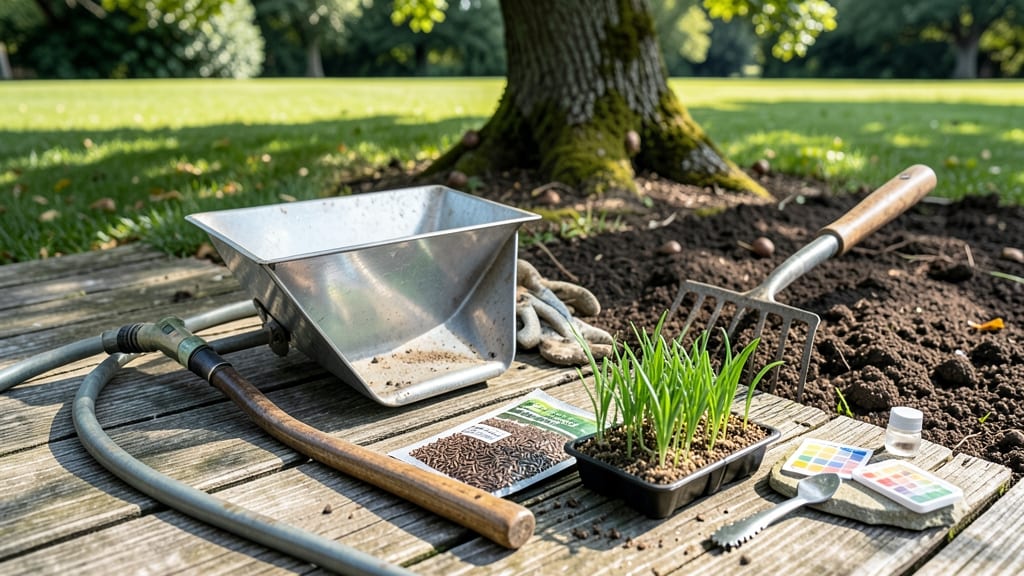
Planting grass seed in South Carolina at the wrong time can leave you with patchy lawns and stubborn weeds—so timing it right is the key to a thick, green carpet that lasts.
If you’ve ever sweated through a summer only to watch your new grass seed bake in the heat, or struggled with weeds choking out seedlings in spring, you know how critical the planting window is.
South Carolina’s humid climate means spring and fall are your best bets, but even then, a few weeks can make all the difference.
This guide breaks down the exact months to plant for your region—whether you’re in the coastal Lowcountry or the Piedmont—plus soil prep tips and seed choices that thrive in SC’s heat and humidity.
By the end, you’ll know not just when to plant, but how to set it up for success so your lawn stays lush, weed-resistant, and ready for football season.
Best times to plant grass seed in South Carolina (spring vs fall comparison)
Choosing the right time to plant grass seed in South Carolina can mean the difference between a thick, vibrant lawn and one plagued by weeds and bare patches. The humid subtropical climate here demands precision—too early, and seeds rot; too late, and weeds take over.
For most SC grass varieties, the ideal windows are early spring and early fall, but the specifics depend on your microclimate and grass type.
Inland areas like Greenville or Columbia experience hotter summers and cooler winters, while coastal regions like Charleston or Myrtle Beach stay warmer longer. These differences shift optimal planting dates by 2-4 weeks.
Let’s break down the best times for Bermuda, Zoysia, Fescue, and St. Augustine grasses, including temperature ranges and regional adjustments to maximize your lawn’s success rate.
Comparison Table for planting grass seed in South Carolina:
For Bermuda grass, the late spring window (April-June) is critical because it thrives in high heat and needs to establish roots before summer’s intensity. Planting in late August gives it a head start before winter dormancy.
In coastal areas, shift these dates 2 weeks earlier to avoid humidity-related rot.
Zoysia grass is more flexible but still benefits from spring planting (April-May) when soil temperatures hover around 60-70°F. Fall planting works too, but avoid late September if frost is likely. Inland areas can plant slightly later, while coastal zones should start 1 week earlier to escape summer’s oppressive heat.
If you’re planting Tall Fescue, early spring (March-April) is your best bet—this cool-season grass germinates quickly in 50-65°F soil and establishes a dense root system before summer stress. Fall planting (September-November) is even better, as cooler temps reduce weed competition.
Inland SC gardeners can push fall planting to early November, while coastal areas should finish by mid-October.
St. Augustine grass, popular in coastal SC, loves warm soil (60-70°F) and should be planted in late winter/early spring (March-April) or late summer (August-September). Avoid planting in peak summer—the heat stresses young seedlings. Coastal regions can start 3 weeks earlier than inland areas, as their milder winters allow for extended growing seasons.
Regardless of grass type, soil temperature is your best guide. Use a soil thermometer to confirm temps match your grass’s needs—cold soil slows germination, while hot soil causes seed desiccation.
For Bermuda and Zoysia, wait until soil is at least 65°F; for Fescue and St. Augustine, aim for 50-60°F.
Pro tip: Early morning planting (before 10 AM) minimizes seed desiccation from afternoon heat. Lightly water the seedbed, cover with ¼-inch of soil, and keep moist until germination. In coastal SC, add a light mulch to prevent fungal issues from humidity.
Timing isn’t just about the calendar—it’s about weather patterns. Check the 10-day forecast for steady temps and minimal rain. If tropical storms are predicted, delay planting until conditions stabilize. A well-timed lawn starts with patience and preparation.
How to prepare your SC lawn for seed planting (soil, weather, and pre-treatment guide)
Preparing your South Carolina lawn for grass seed is half the battle—skipping this step means thin patches, weed invasions, and wasted seed. The key lies in understanding your local microclimate, whether you're battling coastal humidity in Charleston or Piedmont heat near Greenville.
Even a 1-degree temperature difference can shift your planting window by weeks, so let's get specific about what your soil and weather need before that first seed hits the ground.
First, check your soil temperature—it should be between 60-75°F for optimal germination. Use a soil thermometer (just $10 at garden centers) to test in the morning shade. If you're planting in coastal SC, aim for September 15-October 15 when humidity drops slightly.
Inland areas can push it to mid-November before frost risk arrives. Spring planting works too, but only if you're ready by March 1 before summer's brutal heat sets in.
Test Soil pH (6.0-7.0)
Use a soil test kit ($15) or send a sample to Clemson Extension. Coastal areas often need lime adjustment due to acidic rain, while Piedmont soils may need sulfur.
Loosen Compacted Soil
Rent a core aerator ($60/day) to create 4-inch deep holes. Skip this if your soil is sandy (common in coastal SC)—just rake instead.
Eliminate Weeds
Apply corn gluten meal (natural pre-emergent) 2 weeks before planting. For existing weeds, use vinegar spray (not herbicide) 48 hours prior.
Adjust for Microclimate
Coastal areas: Add 1 inch of compost to improve drainage. Piedmont: Mix in sand if soil feels clay-heavy. Both need mulch to retain moisture.
Pre-Water the Soil
Soak the area 24 hours before planting to a depth of 4 inches. Use a rain gauge to measure—SC's humidity can fool you into thinking it's wetter than it is.
Don’t overlook weed barriers—lay down cardboard or landscape fabric before seeding to block crabgrass and clover. In high-humidity zones like Hilton Head, add a fungicide treatment (like BioAdvanced Fungus Control) to prevent brown patch disease.
For drought-prone Upstate areas, mix hydrogel crystals into the soil to hold moisture during germination.
Pro tip: If your lawn has bare spots larger than 6 inches, consider sod patches instead of seed—they establish faster in SC’s heat. But for full lawns, seed is cheaper and lets you customize grass types (e.g., Zoysia for shade, Bermuda for sun).
Just remember: never walk on new seed—it takes 3-4 weeks to root deeply enough for foot traffic.
Finally, check the 7-day forecast before planting. SC’s afternoon thunderstorms can wash away fresh seed, so aim for a dry week post-planting. If you're planting in fall, time it so seedlings get 6-8 weeks of growth before the first frost (usually mid-November).
Spring plantings should finish germinating before Memorial Day weekend to avoid summer stress.
With these steps, your SC lawn will have the perfect foundation—fertile soil, weed-free canvas, and ideal moisture levels—so your grass seed can focus on growing, not struggling. 🌱