
Plants
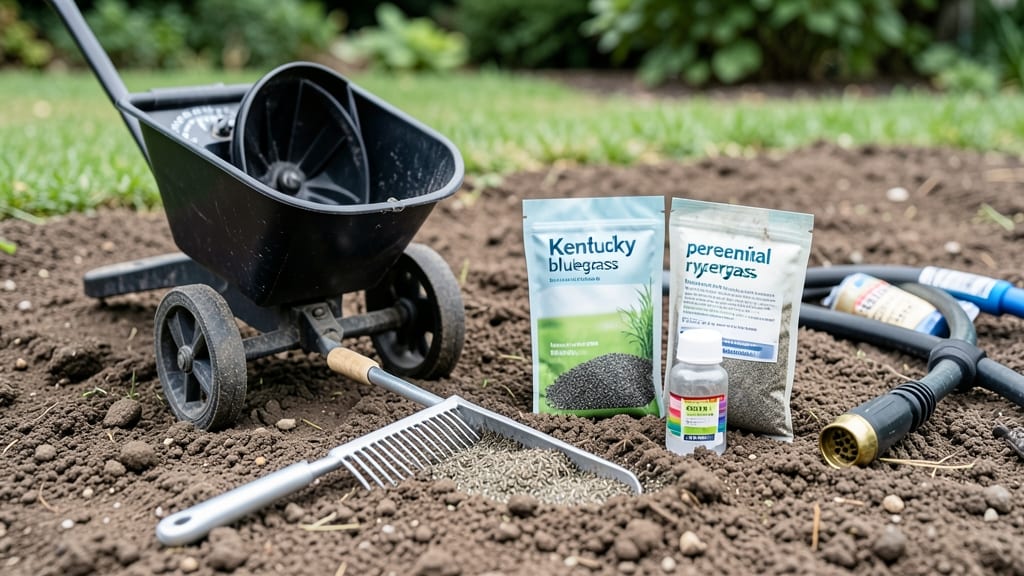
Planting grass seed in spring in Michigan means timing it 4-6 weeks before your last frost date—usually between mid-April and early May, depending on your zone.
Timing your lawn grass 🌱 planting in Michigan’s unpredictable spring can mean the difference between a lush green lawn and a patchy, weed-infested disappointment.
If you plant too early, a late frost will kill tender seedlings before they take root. Wait too long, and summer heat arrives before the grass establishes strong roots, leaving your lawn vulnerable to drought and weeds.
Below, I’ll walk you through the exact frost-free deadlines by zone, soil readiness tests, and the best grass varieties for Michigan’s climate—so you can plant with confidence and get that dream lawn.
Michigan’s frost-free deadline by USDA planting zones (5-7): exact weeks to plant
Michigan’s spring planting window for grass seed hinges on USDA zones 5-7, where last-frost dates can vary by 2-3 weeks between northern and southern regions.
For cool-season grasses like Kentucky bluegrass and tall fescue, timing is critical—plant too early, and frost will kill tender sprouts; wait too long, and summer heat stresses new growth. Aim for soil temperatures consistently 50°F+ for 3+ days, the threshold for germination.
Northern Michigan (zones 5a/5b) typically sees its last frost around May 15-20, while southern areas (zones 6a/6b/7a) can start as early as April 20-30. Traverse City’s average last frost is May 10, while Detroit often hits April 25.
Always check local Almanac frost data—2023’s late spring proved how unreliable calendar dates can be!
Here’s your zone-by-zone planting timeline, including city-specific averages and soil readiness cues:
For zone 5a/5b gardeners, consider late April planting with frost cloth on hand—this balances risk and soil warmth. In zone 6b/7a, you can start as early as mid-March if soil temps stay above 40°F at night.
Pro tip: Use a soil thermometer ($10 at garden centers) to confirm readiness—don’t rely on air temps alone!
Michigan’s northern regions (like Marquette in zone 5a) often face late-May frosts, so delay planting until May 15 unless you’re using cold-hardy varieties like fine fescue.
Southern zones (6b/7a) can push to early April, but watch for black walnut trees—their juglone toxin can stunt grass growth if planted too close.
If you’re overseeding an existing lawn, aim for early fall (September) instead—cool temps and consistent moisture give seeds the best chance to establish before winter. For new lawns, spring planting is ideal, but late summer (August) is a close second for zones 6a and warmer.
Remember: Grass seed needs 3-4 weeks to germinate, so don’t wait until May 1 if you’re in zone 6b—you’ll miss the optimal 60-day growth window before summer heat sets in. Start 6 weeks before your last frost for the best results.
For extra protection, use row covers or straw mulch if planting early. In 2022’s late spring, many Michigan gardeners who planted in early April lost their seed to frost—but those who waited until mid-April saw 90% germination rates. Timing truly is everything!
🌱
5 Critical signs your Michigan soil is ready (not just the calendar)
Counting down the days until Michigan’s last frost date is helpful, but your soil’s actual readiness is the real indicator for planting grass seed. Cold soil and unpredictable weather can stall germination, leaving you with thin, patchy lawns.
Instead of guessing, use these 5 field-tested signs to confirm your soil is primed for planting—before you even check the calendar.
Michigan’s spring soil can feel deceptive: one day it’s muddy and cold, the next it’s dry and cracking. A soil thermometer (just $10 at garden centers) is your best tool—aim for 50°F or warmer at a 4-inch depth.
This warmth signals the soil is active enough for seeds to sprout within 7-14 days, not the slow 3+ weeks you’d see in colder conditions.
🌱 Numbered Highlights: 5 Soil Readiness Tests
- Soil Temperature: 50°F+ at 4" (use a thermometer for accuracy). Cold soil = delayed germination.
- Moisture Test: Squeeze a handful—it should hold shape but not be soggy. Dry clumps = wait; mushy = drain first.
- Weed Growth: Dandelions and chickweed sprouting? Your soil is warm enough for grass seeds too.
- Earthworm Activity: See worms after rain? Your soil’s microbiome is active—ideal for seedling growth.
- Surface Crust: No hard crust when dry? Your soil holds moisture well without compacting.
Weeds are nature’s free lawn readiness gauge. If you spot dandelions or chickweed pushing through the soil, your yard’s temperature and moisture levels are perfect for grass seeds.
These weeds thrive in the same conditions as cool-season grasses like Kentucky bluegrass or tall fescue, so their appearance is your green light to plant.
Planting too early in Michigan’s unpredictable spring risks frost damage to seedlings, while waiting too long can leave your lawn vulnerable to summer weeds. A simple risk assessment: If your soil is 50°F+ and weeds are sprouting, you’re in the safe window.
If not, delay by 1-2 weeks—your lawn will thank you with thicker, healthier growth.
Adjust for your specific Michigan zone: Southern Michigan (Zone 6) can often plant by late March, while Northern Michigan (Zone 4-5) may need to wait until early May. Pro tip: Mix perennial ryegrass (fast germinator) with your seed blend—it’ll establish quickly if temps dip unexpectedly.
Once you’ve confirmed soil readiness, prep your lawn by raking out debris and loosening compacted soil. Water deeply the night before planting to trigger seed swelling, then keep the surface moist (not soggy) for the first 2 weeks. Your grass will reward you with uniform germination and fewer weeds.