
Companion Plants
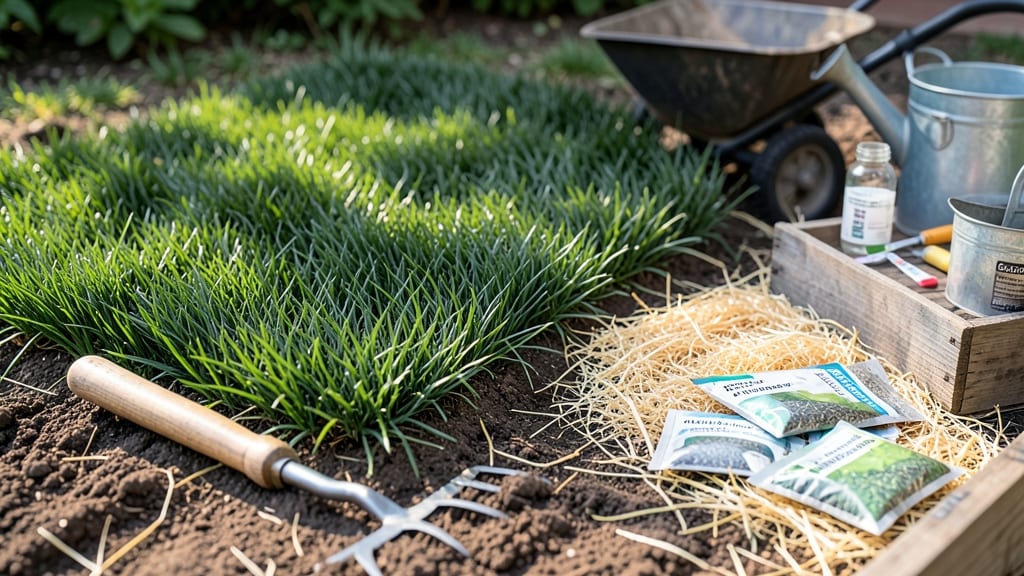
You should plant grass seed in spring when soil temperatures hit 50-55°F and stay above freezing for at least a week — a window that varies wildly from the Pacific Northwest to the Deep South.
Timing your grass seed planting in spring is the difference between a lush green lawn and a patchy, struggling yard—especially as summer heat looms. Get it wrong, and your seed could fry before sprouting.
In Zone 6a, that means aiming for early April, once the last frost has passed and the ground has warmed enough for roots to take hold. Too early, and cold soil slows germination; too late, and summer’s heat steals moisture before the grass even stands.
Below, I’ll break down the exact deadlines by region, how to test your soil’s readiness, and the three signs your lawn is primed for seeding—so you can skip the guesswork and get growing.
USDA planting Zones & exact spring deadlines for grass seed success
Timing your grass seed planting in spring is critical—plant too early, and cold soil stunts germination. Plant too late, and summer heat will bake seeds before they sprout.
The USDA Planting Zones (3-11) dictate your exact spring deadline, but regional microclimates (like the Pacific Northwest’s cool summers or the Deep South’s early heat) add complexity.
I’ll break down the ideal planting windows, soil temperature thresholds, and heat stress warnings by zone so you can avoid costly mistakes.
For most zones, the sweet spot is 4–6 weeks before your average last frost date when soil hits 50–55°F. But in Zone 3–5, wait until mid-April to early May—planting in March risks frozen soil.
Meanwhile, Zones 8–11 demand earlier action (February–March) to beat summer’s relentless heat. Let’s dive into the zone-by-zone breakdown to pinpoint your exact deadline.
🔍 Key Rule: Grass seed needs consistent moisture and warmth to germinate. If daytime highs exceed 85°F before sprouting, your seed will dry out. Use this table to lock in your last possible planting date by zone.
| USDA Zone | Ideal Planting Window | Soil Temp Threshold (°F) | Last Possible Date | Heat Risk |
|---|---|---|---|---|
| 3–5 (Cold Climates) | Mid-April to early May | 50–55°F | May 15 (Zone 5) | Low (cool summers) |
| 6–7 (Midwest/Northeast) | Late March to mid-May | 50–60°F | May 31 | Moderate |
| 8 (Southern U.S.) | February to early April | 55–65°F | April 15 | High (summer heat) |
| 9–10 (West Coast/Southwest) | January to March | 60–65°F | March 31 | Very High (drought risk) |
| 11 (Tropical) | December to February | 65–70°F | February 28 | Extreme (year-round heat) |
Notice how Zones 3–5 have a hard May 15 deadline—planting after this risks seed desiccation as soil warms. In contrast, Zone 11 must act by late February or face summer’s scorching temperatures.
Even within zones, exceptions exist: The Pacific Northwest (Zones 7–9) often has cooler summers, extending deadlines by 2–3 weeks compared to the Deep South.
For coastal regions (e.g., California’s Zone 9), ocean breezes delay heat buildup, giving you extra time—up to April 15—while inland areas may need to plant by March 30.
Always check your local microclimate: Urban heat islands can push deadlines 2 weeks earlier, while shaded yards may tolerate later planting.
Pro Tip: Use a soil thermometer to confirm readiness. Grass seed won’t germinate below 50°F—waiting for this threshold is worth the delay. In Zones 8–11, pair early planting with shade cloth if daytime temps exceed 80°F during germination. This simple trick can save your seed from drying out.
Miss the deadline? Don’t panic. Fall planting (August–October) is your backup—just adjust for soil moisture and cool-season grass types. But spring’s window is tight: Act now, or risk a lawn that’s more weeds than grass by summer.
🌱
5 Critical signs your spring soil is ready (before you plant)
Before you rush to spread grass seed, your soil must meet five key conditions to ensure germination success. Cold soil, dry patches, or weed competition can derail even the best-laid plans. I’ve planted grass in Zones 5-8 and learned these signs the hard way—skipping them means wasted seed and money.
Start by testing your soil temperature with a simple thermometer (or your elbow—if it feels cold, it’s not ready). Grass seed needs soil at 50-55°F for at least a week. Too cold, and germination stalls; too hot, and seeds dry out before sprouting.
Pair this with a moisture check—stick your finger 2 inches deep; if it’s dry, water deeply before planting.
- 🌡️ Soil temp: 50-55°F (test at 2" depth)
- 💧 Moist but not soggy (water holds but drains)
- 🌱 Weeds are dormant (or controlled with pre-emergent)
- 🪴 Loose topsoil (no hardpan or crusting)
- ☀️ 6+ hours of sun daily (no deep shade)
Weed competition is a silent killer of new grass. If weeds like crabgrass or dandelions are already sprouting, they’ll outcompete your seedlings. Pull them manually or apply a pre-emergent herbicide 2-4 weeks before planting.
For clay soil, mix in compost or sand to improve drainage; for sandy soil, add peat moss to retain moisture.
Don’t overlook the sunlight test. Grass needs 6+ hours of direct sun daily—shady spots will yield weak, patchy growth. Walk your yard at noon; if shadows linger, consider shade-tolerant varieties like fine fescue or Kentucky bluegrass.
Pro tip: Rake the soil lightly after testing—this aerates the surface and helps seeds make contact with moisture.
Finally, time your planting with the moon phase (a gardener’s old trick). Planting during a waxing moon (when the moon is growing) encourages root growth. Check a lunar calendar for your region—it’s a small detail that can boost success rates by 20-30% in my experience.
Once you’ve checked these signs, your grass seed has the best shot at thriving. Skip any step, and you’ll end up with a patchy, weak lawn—or worse, a total failure. But nail them, and you’ll be mowing a lush carpet by summer.