
Plants
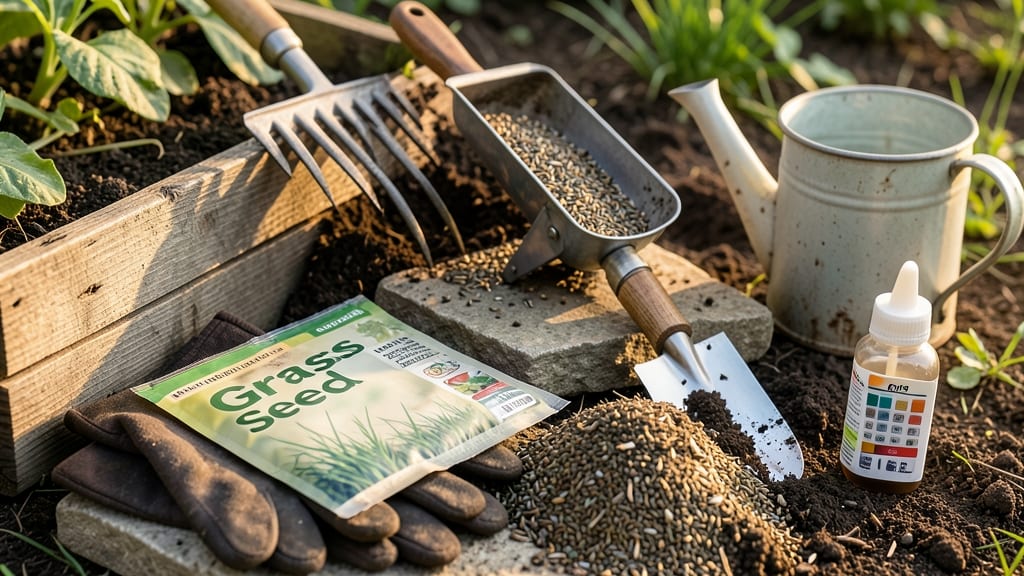
Planting grass seed in St. Louis, MO, between early September and mid-October unlocks the secret to a lush, weed-resistant lawn that outlasts the summer heat.
St. Louis’s hot summers and unpredictable spring rains can turn grass seeding into a high-stakes gamble—but timing it right ensures thick, fast-growing lawns that outperform neighbors’ patchy yards.
The key? Planting when soil temps hover between 60-75°F, giving seeds the perfect window to germinate before summer’s brutal heat sets in.
Fall planting isn’t the only option—late March to early April works too—but the 4-6 week lead time before the first frost in October is your best bet for weed resistance.
We’ll break down the exact dates, soil prep tricks, and seed blends that thrive in St. Louis’s humid climate, so you can skip the guesswork and get a lawn that stays green all season.
Ready to transform your yard? You’ll learn how to outsmart weeds, choose the right seed varieties, and water like a pro—so your grass grows faster and stays thicker than ever.
Best planting windows in St. louis MO for fast grass germination
St. Louis’s USDA Zone 6a/6b climate creates a unique challenge for grass seed germination—too early, and seeds bake in summer heat; too late, and winter frost kills tender sprouts.
The sweet spot lies in two distinct windows: early fall and late spring, when soil temperatures hover between 60°F and 75°F, ideal for seed activation.
Fall planting (September-October) gives seeds 6-8 weeks to establish roots before winter dormancy, while spring planting (March-April) aligns with St. Louis’s rising soil moisture after winter’s dry spell. Both windows minimize competition from weeds like crabgrass, which thrives in summer’s heat.
Here’s how St. Louis’s microclimate patterns influence your timing: Humidity peaks in summer, but August’s average 85°F soil temps can scorch seeds. Meanwhile, October’s 65°F average provides perfect germination conditions without summer’s stress.
🌱
For fall planting, aim to finish seeding by October 15th—this gives roots 4-6 weeks to establish before St. Louis’s first frost (average October 15th). Use a soil thermometer to confirm temps are above 60°F at 2 inches deep.
Spring planting requires patience: Wait until soil temps stabilize above 55°F (typically late March) to avoid frost damage to tender sprouts. Early April is ideal—just before crabgrass germinates, giving your grass a competitive edge.
St. Louis’s humid summers create a second challenge: evaporation rates can dry seeds before germination. In fall, dew and morning fog naturally hydrate soil, while spring’s consistent rainfall (average 4.5 inches in April) supports seedling growth.
Pro tip: Test your soil 2 weeks before planting—aim for pH 6.0-7.0. St. Louis’s clay-heavy soil often needs compost amendment to improve drainage and aeration for faster germination.
🌿
If you must plant outside these windows, August (with shade cloth) or November (with winter mulch) are secondary options. But for maximum success, stick to the fall or late spring windows—where St. Louis’s climate actually works with your grass, not against it.
Remember: Thicker grass in these windows means fewer weeds next summer. That’s how you beat St. Louis’s patchy lawn syndrome!
☀️
How to outsmart St. louis weeds: pre-seeding prep for weed resistance
St. Louis’s humid summers create the perfect storm for crabgrass and clover to take over, but smart pre-seeding prep can give your grass a fighting chance. The secret? A 4-step process that starts with soil prep and ends with strategic herbicide timing—all designed to crowd out weeds before they sprout.
With 70% of lawn failures in Missouri linked to poor weed control, these steps will help you build a lawn that stays thick and green.
First, you’ll need to test your soil for pH and nutrient levels—ideal grass growth happens between 6.0-7.0 pH. If your soil is too acidic, a lime application 4-6 weeks before seeding will neutralize it.
For clay-heavy soils common in St. Louis, mix in compost or sand to improve drainage, which weeds like crabgrass can’t tolerate. This prep work isn’t just about grass—it’s about creating an environment where weeds can’t compete.
Here’s your battle plan, broken into clear steps to follow before seeding:
-
1
Test Soil pH
Use a soil test kit to check pH. Aim for 6.0-7.0. If below 6.0, apply pelletized lime 4-6 weeks before seeding. -
2
Apply Pre-Emergent Herbicide
Spread pendimethalin or prodiamine (like Scotts Halts Crabgrass) 2-4 weeks before seeding. This stops weed seeds already in the soil from germinating. -
3
Loosen Soil & Add Compost
Rake or till the top 2-3 inches of soil to break up compaction. Mix in 2-3 inches of compost to improve fertility and moisture retention. -
4
Choose Weed-Resistant Seed
Select tall fescue or Kentucky bluegrass blends with crabgrass resistance labels. These varieties outcompete weeds naturally once established.
The timing of your pre-emergent herbicide is critical—apply it 2-4 weeks before seeding, not after. This gives the chemical time to create a protective barrier in the soil while leaving a window for your grass seeds to germinate.
For St. Louis’s climate, September applications are ideal because they align with fall planting windows and prevent crabgrass from sprouting in spring.
Don’t overlook the power of seed selection. Look for blends labeled “weed-resistant” or “crabgrass-proof”. Brands like Jonathan Green and Scotts Turf Builder offer mixes with built-in defenses against St. Louis’s most aggressive weeds.
Pair this with a thick seeding rate (5-8 lbs per 1,000 sq ft) to ensure your grass outgrows any weeds that slip through.
Once your grass is established (after 3-4 weeks of growth), you can safely apply a post-emergent herbicide like 2,4-D to tackle any remaining clover or broadleaf weeds.
But the real victory comes from preventing weeds in the first place—so stick to the pre-seeding prep, and you’ll spend less time weeding and more time enjoying your lawn.